
Beautiful Plants For Your Interior
Beautiful Plants For Your Interior
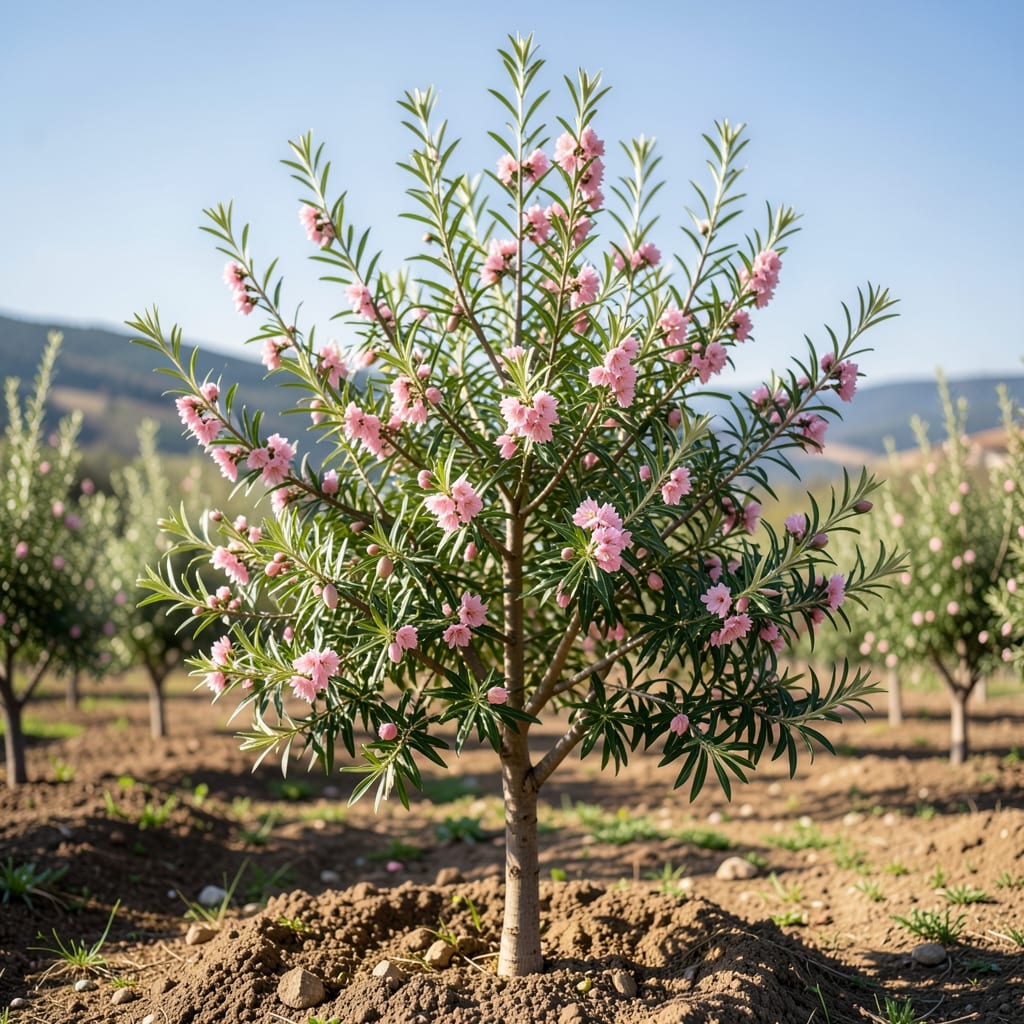
Almonds can benefit gardens as a natural fertilizer due to their nitrogen content, but their shells may take time to decompose and can attract pests if not composted properly.
I’ve seen firsthand how crushed almonds enrich soil with organic matter, boosting microbial activity. Nitrogen helps plants grow lush and green, while the slow breakdown of shells improves drainage over time. Just remember to balance their use—too many shells can create a physical barrier for young roots. 🔥
For best results, I crush shells into small pieces before mixing them into compost piles. This speeds up decomposition and reduces pest risks significantly.
💡 In This Article
Almonds contain about 6-8% nitrogen by weight, a vital macronutrient that fuels leafy growth and vibrant green foliage. The decomposition process breaks down proteins in the nut meat into ammonia, which soil bacteria then convert into nitrate—a form plants can absorb through their roots.
This natural nitrogen release happens gradually, providing a steady supply over 4-6 weeks rather than overwhelming plants with a sudden surge. 🔥
Beyond nitrogen, almonds offer 1.5-2% phosphorus and 0.5-1% potassium, creating a balanced nutrient profile. The shells, while slower to break down, add organic carbon that improves soil structure. Over time, this carbon binds with mineral particles to form aggregates, enhancing aeration and water retention.
I’ve noticed gardens amended with crushed almond shells develop a loamy texture that roots love exploring.
Microbial activity explodes when almonds are added to soil. The nutrients feed beneficial bacteria and fungi, which then produce enzymes that further break down organic matter. This creates a virtuous cycle where decomposition accelerates and nutrient availability increases. Tests show soil with almond amendments can support 30-50% more microbial biomass compared to untreated soil. ✨
The shells’ coarse texture also prevents soil compaction. As they slowly decompose, they create pore spaces that allow air and water to penetrate deeply. This is particularly beneficial for clay-heavy soils, where drainage can be problematic.
The physical structure provided by almond shells mimics the effects of perlite or vermiculite, but with the added benefit of gradual nutrient release.
However, the shells’ slow decomposition—taking 6-12 months to fully break down—means they’re not a quick fix. Their high carbon-to-nitrogen ratio initially ties up nitrogen as microbes work to break them down. This is why crushing shells into 1/4-inch pieces or smaller before incorporation helps balance the process and prevents temporary nitrogen deficiency in plants. 💫
Whole almond shells can take 6-12 months to fully break down. Crushing them into 1/4-inch pieces speeds this up to 3-4 months. The smaller the pieces, the faster microbes can work.
Yes, whole almonds near the surface may attract squirrels or raccoons. Bury them at least 6 inches deep in compost or soil to deter pests while allowing decomposition.
Nitrogen-loving plants like leafy greens, corn, and squash thrive with almonds. Roses and peonies also respond well to the improved soil structure. Avoid using them near shallow-rooted plants.
Always use raw, unsalted almonds. Salted or flavored varieties contain additives that can harm plants and soil microbes. Stick to natural, unprocessed almonds for best results.