
Beautiful Plants For Your Interior
Beautiful Plants For Your Interior
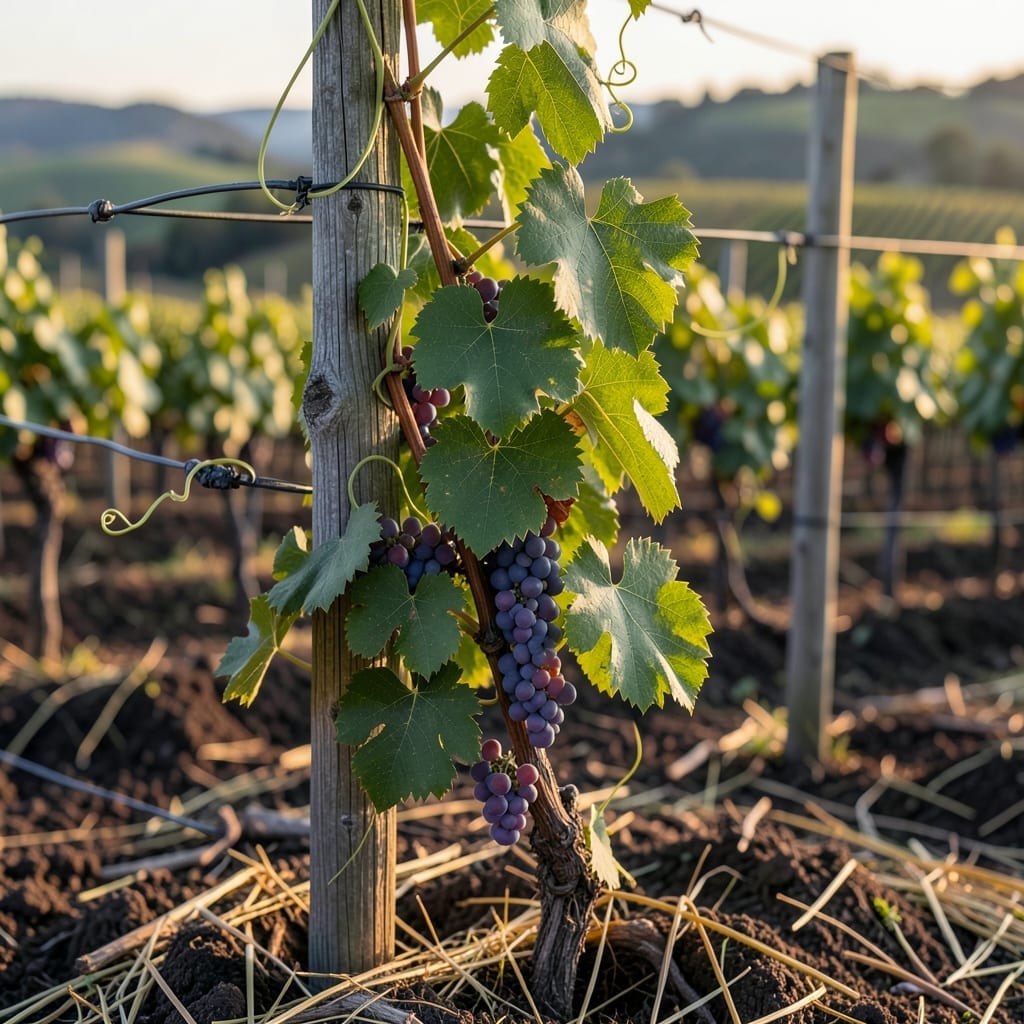
Not all grape vine leaves are edible. While many cultivated varieties like Vitis vinifera are safe when young and properly prepared, wild or untreated leaves may contain toxins or pesticides. Always verify the species and source before consumption.
I’ve learned that edibility often comes down to cultivation practices and leaf maturity. 🌟 Cultivated grape vines, especially those grown for wine or fruit, are typically safe when the leaves are tender and free of chemical treatments. Wild varieties, however, can carry natural toxins like oxalates or have been exposed to environmental contaminants, making them risky to consume without expert confirmation.
💡 In This Article
Edible grape leaves typically come from cultivated Vitis vinifera or Vitis labrusca varieties, which are the most common for culinary use. These leaves are smooth, heart-shaped, and bright green when young—ideal for stuffing or cooking.
Wild grapevines, like Vitis riparia or Vitis aestivalis, often have rougher textures and may contain higher concentrations of oxalic acid or tannins, which can cause irritation or digestive distress. 🔥
The key is leaf maturity. Young leaves, usually harvested in late spring or early summer, contain fewer bitter compounds and are more tender. As leaves age, they develop tougher fibers and accumulate more tannins, making them unpalatable or even mildly toxic in large quantities.
A good rule of thumb: if the leaf feels leathery or has a strong astringent taste, it’s past its prime for eating. ✨
Visual cues can help distinguish safe leaves. Cultivated varieties often have a uniform, glossy appearance with 3-5 distinct lobes, while wild leaves may be more irregular or hairy. The underside of edible leaves is usually pale green, whereas toxic varieties might show reddish veins or a fuzzy texture.
Always check for signs of pesticide residue, which is common in commercially grown vines not intended for leaf consumption. 💫
For absolute safety, source leaves from trusted suppliers or grow your own Vitis vinifera without chemical treatments. If foraging wild leaves, consult a local expert or botanist—some wild vines, like Virginia creeper (often mistaken for grapevines), are highly toxic and can cause severe poisoning. When in doubt, avoid consumption entirely. ⚡
Even safe leaves require proper preparation. Raw grape leaves can be tough and bitter, so blanching in boiling water for 2-3 minutes softens them and reduces tannins. This process also helps remove any surface contaminants.
After blanching, the leaves should be vibrant green and pliant, ready for stuffing or cooking in dishes like dolmas or Greek gemista. 🌟
Look for smooth, heart-shaped, bright green leaves from cultivated Vitis vinifera. Avoid wild leaves with rough textures, reddish veins, or fuzzy undersides. Always verify the source to ensure they’re pesticide-free.
Older leaves develop more tannins and oxalic acid as they mature. Young leaves harvested in late spring are naturally milder. Blanching for 2-3 minutes helps reduce bitterness significantly.
It’s not recommended. Raw leaves are tough and contain tannins that may cause digestive discomfort. Always blanch first to soften the texture and remove potential contaminants.
Place blanched leaves in an airtight container with a damp paper towel. They’ll keep for up to 5 days in the fridge. For longer storage, freeze between parchment paper layers.