
Beautiful Plants For Your Interior
Beautiful Plants For Your Interior
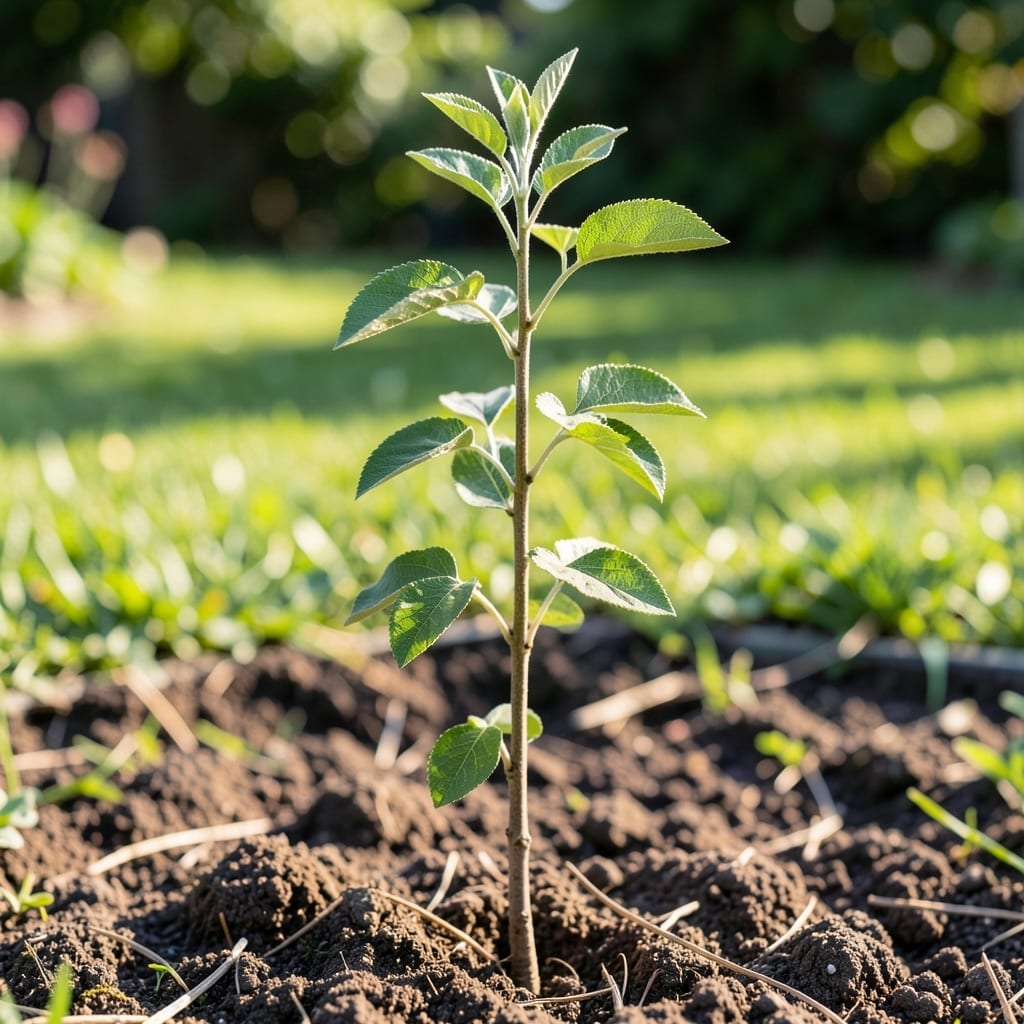
Yellowing leaves on apple tree seedlings often indicate nutrient deficiencies, overwatering, or poor drainage. Organic fixes include adjusting water, adding compost, or using natural fertilizers like fish emulsion.
I’ve noticed that nitrogen or iron shortages often show up first as pale leaf color, while soggy roots from too much water create a similar effect. Compost tea can quickly restore balance, and mulching helps regulate moisture without the guesswork. Testing soil pH early saves time and prevents bigger problems later. ✨
What’s surprising is how often poor drainage gets overlooked until it’s too late. Seedlings in compacted soil struggle to absorb nutrients, even when they’re present. I always recommend adding organic matter to improve structure before planting. 💫
💡 In This Article
Nitrogen deficiency typically starts at the bottom, turning older leaves pale yellow while veins stay green. This happens because nitrogen is mobile—it moves from old leaves to support new growth when supplies run low. Apple seedlings need about 0.5-1 lb of actual nitrogen per 100 sq ft annually for healthy foliage.
Iron deficiency shows as yellowing between leaf veins, called interveinal chlorosis, often in alkaline soils where pH exceeds 7.0. At this pH, iron becomes insoluble and unavailable to roots. Young leaves suffer first because iron isn’t mobile within the plant. Testing soil pH with a $10 kit can confirm this issue. ✨
Overwatering creates a different problem. Saturated soil pushes out oxygen, causing root rot that prevents water and nutrient uptake. You’ll notice wilting alongside yellowing, with roots turning brown and mushy. Apple seedlings need soil that drains well but retains some moisture—aim for soil that feels like a wrung-out sponge.
Poor drainage often compounds these issues. Compacted or clay-heavy soil holds water too long, stressing roots even with proper watering. Adding 2-3 inches of compost to planting holes improves structure. In containers, ensure drainage holes are unblocked and use a well-draining potting mix with perlite or bark. 💫
Pests like spider mites or aphids can also cause yellowing by sucking plant juices. Check leaf undersides for webbing or tiny insects. Neem oil applied every 7-10 days disrupts their life cycles without harsh chemicals. Companion planting with garlic or chives deters many common apple pests naturally.
Check soil 2 inches down—water when it feels dry. Seedlings typically need 1-2 inches of water per week, including rainfall. Use drip irrigation to avoid wetting leaves.
Use well-draining soil with 2-3 inches of compost mixed in. Aim for a pH between 6.0-7.0. Avoid heavy clay; add perlite or bark for containers.
Once leaves turn yellow, they won’t regain color, but new growth can be healthy. Fix the underlying issue (nutrients, drainage, or pests) to prevent further yellowing.
Use a $10-20 home test kit for quick results. Collect soil from 4-6 inches deep, follow kit instructions, and adjust pH with lime (to raise) or sulfur (to lower).