
Beautiful Plants For Your Interior
Beautiful Plants For Your Interior
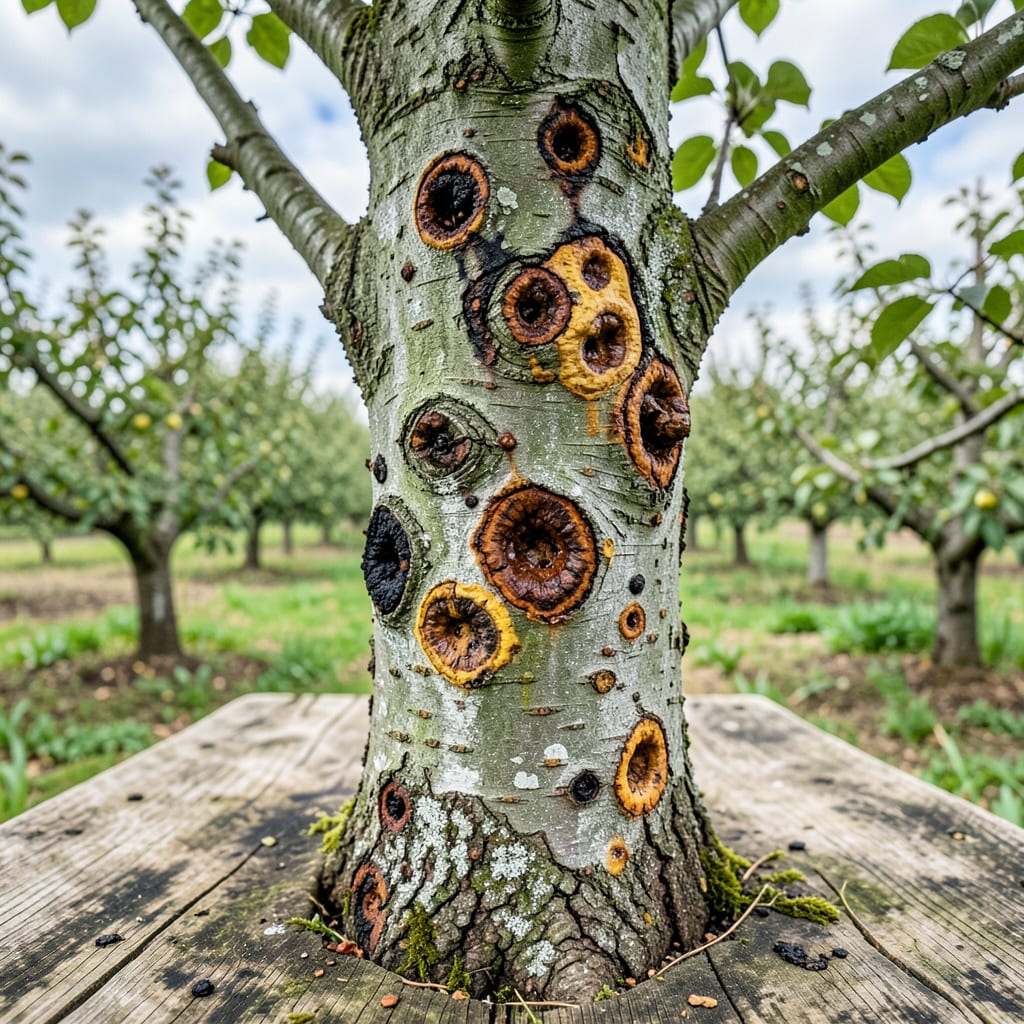
Spotted something off about your apple tree‘s bark? I’ve seen healthy trees turn sickly fast when disease strikes, but early recognition makes all the difference.
Cankers, blisters, or peeling bark aren’t just cosmetic—each tells a story about what’s attacking your tree. The good news is that most issues are treatable once you know what you’re dealing with.
You’ll learn to identify the 5 most common bark diseases by their unique patterns and textures. Clear images make diagnosis straightforward, even for beginners.
With the right approach, your tree can recover and produce healthy fruit for years. Here’s how to spot the warning signs before it’s too late.
Apple tree bark diseases often stem from a mix of environmental, biological, and cultural factors. Understanding these causes helps you prevent and manage infections effectively. Below are the primary culprits behind bark damage and disease in apple trees.
Fungi like Neonectria ditissima (European canker) and Valsa mali (Valsa canker) are common invaders. These pathogens thrive in wet, humid conditions, entering through wounds in the bark—such as pruning cuts or frost cracks. Once inside, they disrupt the tree’s vascular system, causing cankers, dieback, and oozing lesions. Poor airflow and overcrowded branches exacerbate fungal growth.
Bacteria, particularly Erwinia amylovora (fire blight), target apple tree bark, especially in warm, wet springs. This pathogen spreads via insects, rain, or contaminated tools, leading to dark, water-soaked cankers. Infected bark may appear sunken, cracked, or discolored, often with a foul odor. Stress from drought or excessive nitrogen can make trees more susceptible.
Insects like borers (e.g., Scolytus rugulosus) and bark beetles weaken trees by tunneling into the bark. These entry points create opportunities for secondary infections by fungi or bacteria. Sap-feeding pests, such as aphids, also stress the tree, reducing its ability to resist disease. Regularly inspect for boreholes or sawdust-like frass near the base.
Extreme weather—such as freeze-thaw cycles, drought, or excessive moisture—can crack or weaken bark, leaving it vulnerable to pathogens. Sun scald (southwest injury) occurs when winter sunlight heats dark bark, only for temperatures to plummet at night, causing cell damage. Mulching and proper watering help mitigate these stresses.
Improper pruning, lack of sanitation, or over-fertilization can invite disease. Pruning at the wrong time (e.g., late winter) leaves fresh wounds exposed to spores. Failing to sterilize tools between cuts spreads pathogens from tree to tree. Always disinfect pruners with rubbing alcohol and remove infected wood immediately.
Tackling apple tree bark diseases starts with identifying the culprit and applying the right fix. Here’s a practical guide to treating common issues:
Remove infected bark and branches with sterile pruning tools to prevent spread. Apply a copper-based fungicide or neem oil to the affected areas, following label instructions. Prevention tip: 💡 Improve air circulation by thinning branches and avoid overhead watering to reduce moisture buildup.
For borers or beetles, use insecticidal soap or horticultural oil to target pests directly. Remove heavily infested bark and burn it to destroy larvae. Prevention tip: 🎯 Wrap young trunks with tree guards in late summer to deter adult borers from laying eggs.
Cut out cankered bark with a clean knife, making sure to remove at least 2 inches of healthy tissue around the infected area. Disinfect tools with rubbing alcohol between cuts. Apply a tree wound dressing to speed up healing. Prevention tip: ✨ Sterilize pruning tools regularly and avoid pruning during wet weather to minimize bacterial entry.
If cracking or peeling is due to drought or frost, deep-water the tree during dry spells and apply mulch to retain moisture. For frost damage, wrap the trunk in burlap before winter. Prevention tip: 🌡️ Maintain consistent watering and protect trees from extreme temperature swings.
Always monitor your tree after treatment and reapply solutions as needed. Early action is key to keeping your apple tree healthy and productive!
Look for sunken, discolored cankers or oozing lesions on the bark. Fungal infections often appear as dark, water-soaked spots that may crack or peel over time.
Practice good sanitation by removing infected wood immediately. Sterilize pruning tools with rubbing alcohol between cuts and avoid overhead watering to reduce moisture buildup.
If the damage covers less than 50% of the trunk, prune infected areas and apply treatments like copper fungicide. For extensive damage, consult an arborist to assess recovery chances.
