
Beautiful Plants For Your Interior
Beautiful Plants For Your Interior
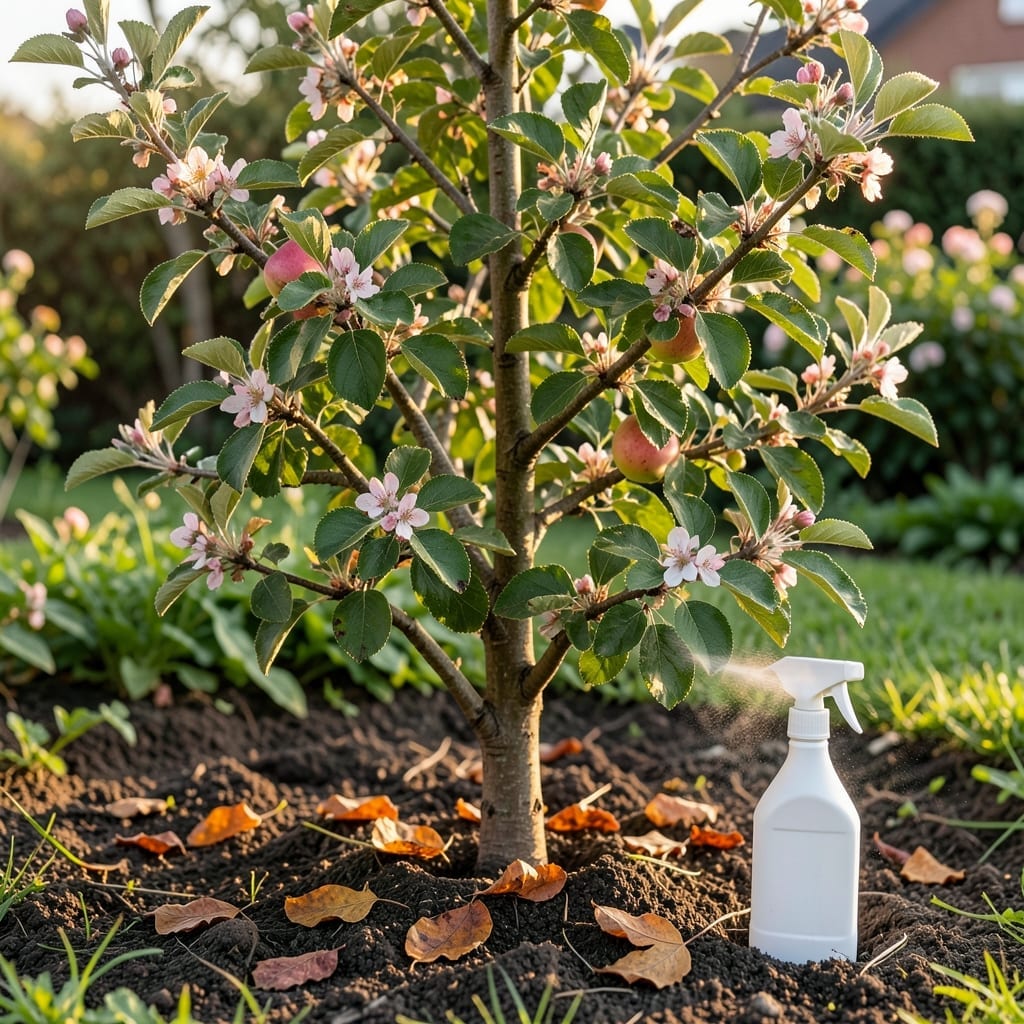
Yellow-orange spots on apple leaves spelled trouble for my orchard last spring. Apple rust spreads fast if you don’t catch it early, but I’ve found reliable ways to stop it in its tracks.
Natural treatments work surprisingly well—no harsh chemicals needed. The key is timing: apply solutions at first sign of rust and repeat every 7-10 days until the problem’s gone.
Your trees will rebound with vibrant green leaves and stronger fruit production. Prevention is easier than cure, so I’ll show you how to protect your trees before rust even appears.
Works for backyard apple trees, small orchards, or even potted varieties. Here’s how to keep them healthy all season long.
Apple rust, a common fungal disease, doesn’t appear out of nowhere. It thrives under specific conditions, often tied to environmental factors and poor tree health. Here’s why it happens:
The fungus Gymnosporangium (responsible for cedar-apple rust) requires wet conditions to infect apple trees. Rainy springs or overhead irrigation create the perfect breeding ground. Spores released from nearby cedar or juniper hosts (alternate hosts for the fungus) land on wet apple leaves, germinate, and penetrate the tissue. Reducing leaf wetness by watering at the base and improving airflow can curb this.
Apple rust can’t complete its life cycle without cedar or juniper trees nearby. The fungus alternates between these hosts and apples. If your orchard is within a few miles of wild or ornamental cedars/junipers, spores can travel via wind. Removing these alternate hosts (if possible) or planting rust-resistant apple varieties breaks the cycle.
Cool, wet springs (50–75°F) accelerate spore germination. The fungus thrives in moderate temperatures combined with moisture. Warmer, drier conditions slow its spread. Monitoring weather forecasts and applying preventative fungicides during high-risk periods can help.
Dense canopies or crowded plantings trap humidity, creating a microclimate ideal for rust. Prune trees annually to improve airflow and sunlight penetration, which dries leaves faster and discourages fungal growth.
Splashing water spreads spores and keeps foliage wet. Drip irrigation or soaker hoses deliver water directly to roots, minimizing leaf moisture. If overhead watering is unavoidable, do it early in the day so leaves dry quickly.
Dealing with apple rust on your trees? Here’s how to tackle each cause with simple, effective fixes—and keep your orchard healthy long-term.
If you spot orange or yellow rust spots on leaves or fruit, act fast. Remove and destroy infected leaves (don’t compost them!) to stop the fungus from spreading. Apply copper fungicide or neem oil every 7–10 days during wet seasons. Prevention tip: 💡 Improve air circulation by pruning crowded branches and spacing trees properly.
Rust thrives in damp conditions. Water trees at the base (not overhead) to keep leaves dry. Use mulch to reduce soil splash, which can spread spores. Prevention tip: ✨ Plant rust-resistant apple varieties like ‘Liberty’ or ‘Enterprise’ if your climate is humid.
Weak trees are more susceptible. Fertilize with balanced nutrients (especially nitrogen and potassium) and avoid over-fertilizing, which can soften growth and attract rust. Prevention tip: 🎯 Inspect trees weekly in spring and summer to catch early signs before they spread.
Apple rust often jumps from cedar or juniper trees. If these grow near your orchard, remove them or treat them with fungicide too. Prevention tip: 🌡️ Plant a barrier (like a row of non-host shrubs) to reduce spore transfer.
Consistency is key—treat early, stay vigilant, and your trees will bounce back stronger! 🍏
Apply fungicides or natural sprays every 7-10 days during wet seasons. Consistency is key to stopping the spread and protecting new growth.
Yes! A baking soda solution (1 tablespoon per gallon of water) or neem oil works well for mild cases. Always test on a small area first.
No, but removing them prevents further spread. Focus on protecting healthy foliage with timely treatment and improved airflow.
Early morning or late evening to avoid leaf burn. Treat at the first sign of rust and after rain to maximize effectiveness.