
Beautiful Plants For Your Interior
Beautiful Plants For Your Interior
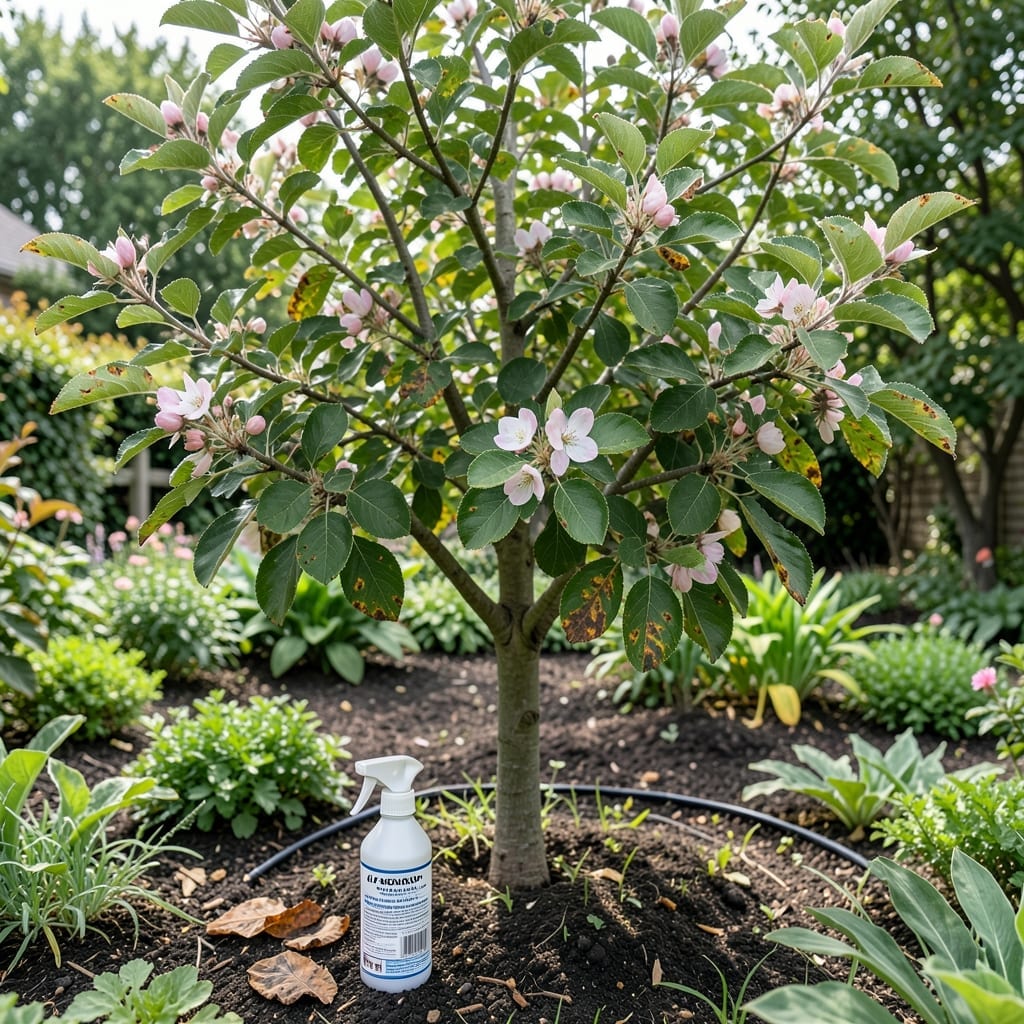
Yellow-orange spots on apple leaves last summer ruined my harvest. I learned the hard way that apple rust doesn’t just look bad—it spreads fast and weakens the whole tree.
This fungus thrives in wet conditions, so early spring is when I start watching for those telltale spots. Catching it early means you can stop it before it takes over your entire orchard or garden space.
The good news? You don’t need harsh chemicals to fight it. I’ve had great success with organic fungicides that protect my trees without harming beneficial insects or soil health.
With the right approach, you can restore your apple trees to full, thriving foliage and get back to enjoying healthy fruit. Here’s how I do it.
Apple rust, caused by the fungus Gymnosporangium juniperi-virginianae, thrives under specific environmental and biological conditions. Understanding these triggers helps in prevention and targeted treatment. Below are the primary causes:
The fungus requires consistent moisture to infect apple trees. Wet foliage—from rain, dew, or overhead irrigation—creates the perfect breeding ground. Spores germinate and penetrate leaves within 6–12 hours of continuous dampness, especially in cool (50–75°F) temperatures.
Apple rust needs two hosts to complete its life cycle: juniper (cedar) and apple/rosaceae family plants. If your orchard or garden has nearby eastern red cedar, junipers, or ornamental cedars, spores can travel up to 2 miles via wind, infecting apple trees.
Spores release and infect most aggressively during spring when temperatures oscillate between 50–75°F. Warm days followed by cool, wet nights accelerate spore maturation, increasing infection risks. Early-season humidity spikes (common after frost) are especially critical.
Dense canopies or crowded plantings trap moisture and limit airflow, prolonging leaf wetness. Prune trees to improve ventilation and reduce humidity pockets where rust spores thrive.
Actionable tip: Space apple trees 10–15 feet apart and remove nearby juniper hosts to break the fungus’s life cycle.
Tackling apple rust starts with identifying the issue early. Here’s how to address each cause with simple, actionable fixes—and keep your trees healthy long-term.
If you notice yellow or orange spots on leaves, act fast. Prune and destroy infected leaves and branches to prevent the fungus from spreading. Use sterilized pruning shears to avoid contaminating healthy parts. Bag and dispose of the debris—do not compost, as the spores can linger.
Apple rust thrives in damp environments. Thin out crowded branches to boost airflow and reduce humidity around the foliage. Space plants properly when planting new trees, and avoid overhead watering to keep leaves dry. Water at the base in the early morning so excess moisture evaporates quickly.
For persistent cases, use a copper-based fungicide or neem oil as a natural treatment. Apply in early spring before buds open, then reapply every 7–10 days during wet seasons. Always follow label instructions for safety and effectiveness.
With consistent care, your apple trees can bounce back—and stay rust-free! 🌿
Apply in early spring before buds open, then reapply every 7–10 days during wet seasons. Consistency is key to preventing new spores from taking hold.
Neem oil and copper-based fungicides are effective organic treatments. They work best when applied early and regularly.
Bag and dispose of them with household trash—do not compost. Burning is another option, but check local regulations first. This prevents spores from spreading.
Yes! Remove infected branches with sterilized tools and improve airflow by thinning crowded areas. This reduces humidity where the fungus thrives.