
Beautiful Plants For Your Interior
Beautiful Plants For Your Interior
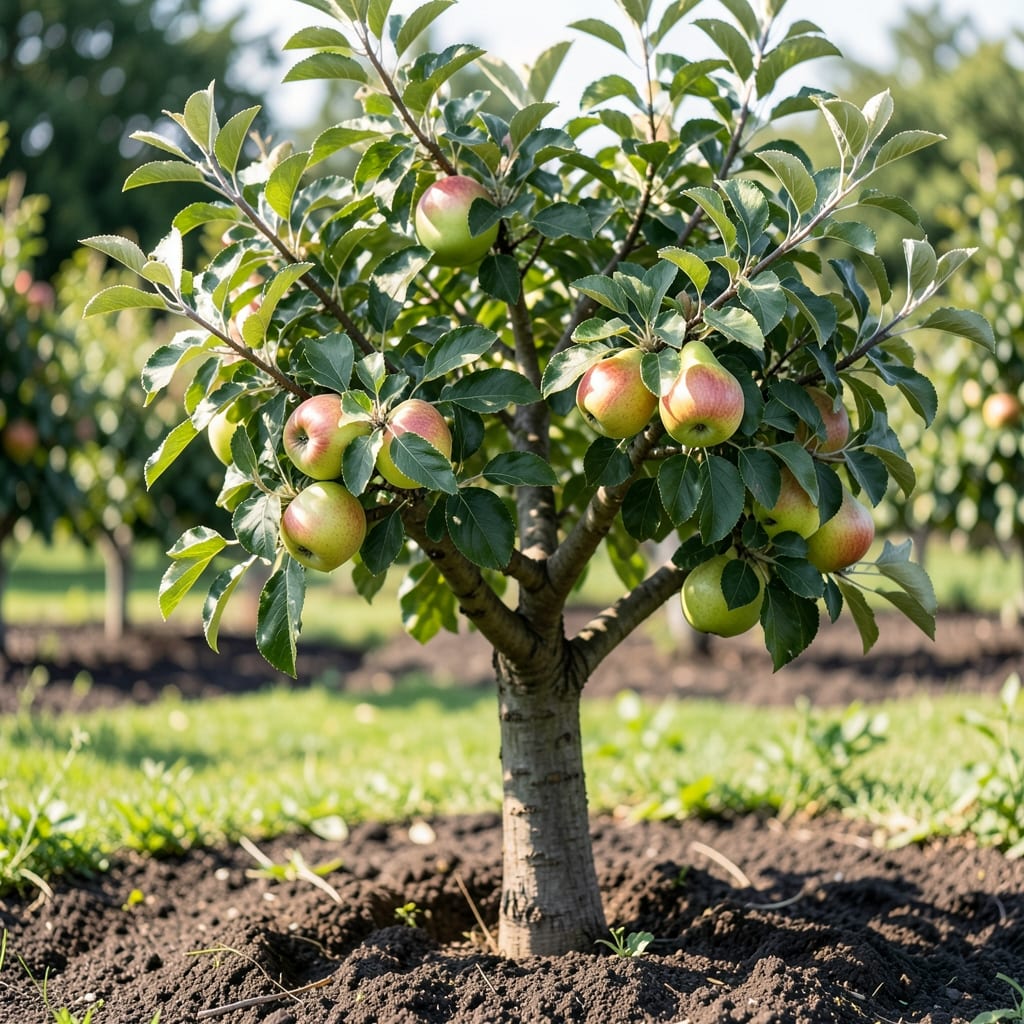
An apple pear hybrid combines the crisp texture of apples with the juicy sweetness of pears, resulting in a fruit that’s refreshing and versatile for fresh eating or cooking.
I’ve found these hybrids particularly exciting because they bring together the best of both worlds. The firm bite of an apple meets the succulent juiciness of a pear, creating something uniquely delightful. What’s more, their balanced flavor profile makes them perfect for everything from snacking to baking. ✨
Growers select traits carefully to ensure the fruit holds up well in various recipes while maintaining that signature crisp-yet-tender experience. 🔥
💡 In This Article
The creation of these fruits starts with controlled pollination, where breeders manually transfer pollen between apple and pear blossoms. This process ensures precise trait selection, targeting qualities like disease resistance, extended shelf life, and balanced sweetness. The resulting seeds carry combined DNA from both parent fruits, creating a new genetic blueprint. 🔥
Growers focus on selecting hybrids that maintain the apple’s firmness while inheriting the pear’s moisture content. The ideal fruit achieves a sugar content of 12-15% with a crispness measurable at 6-8 lbs of pressure on a penetrometer. These measurements ensure the fruit delivers the perfect bite every time. ✨
What most people don’t realize is that these hybrids often require 5-7 years to bear fruit, as the trees need time to establish their root systems. The first fruits might appear smaller, but by the third or fourth harvest, they typically reach standard sizes of 2.5-3 inches in diameter.
This developmental stage is crucial for achieving consistent quality. 💫
The crossbreeding process isn’t just about taste—it’s also about practicality. Many apple-pear hybrids are developed to thrive in climates that might be too cold for traditional pears or too warm for certain apple varieties. This adaptability makes them valuable for growers in regions with fluctuating temperatures. 🌟
Advanced techniques like grafting can accelerate the process, allowing growers to attach hybrid scions to established rootstocks. This method reduces the waiting period for fruit production while maintaining the desired characteristics. The success rate for these grafts typically ranges between 80-90% when performed by experienced horticulturists. ⚡
They offer a perfect balance—crisp like an apple with the juicy sweetness of a pear. The flavor is often described as subtly floral with a refreshing finish.
Yes, but choose dwarf varieties and use a large pot (at least 20 gallons). Ensure it has drainage holes and place it where it gets 6-8 hours of sunlight daily.
When stored in the fridge, they typically stay fresh for 2-3 weeks. For longer storage, keep them in a cool, dark place with high humidity.
Aphids, codling moths, and fire blight are the main concerns. Use organic sprays like neem oil and prune affected branches promptly to prevent spread.