
Beautiful Plants For Your Interior
Beautiful Plants For Your Interior
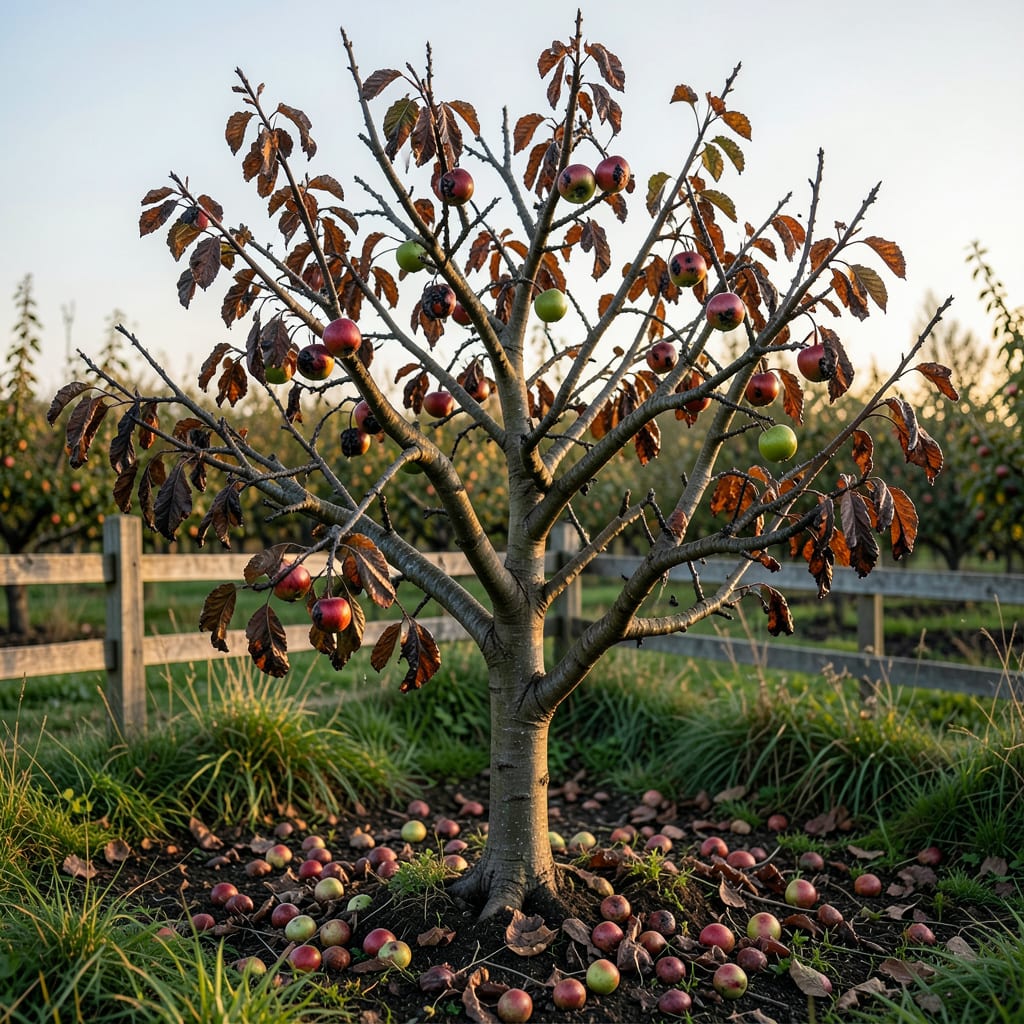
That sickly brown ooze on your apple tree branches isn’t sunburn. I first spotted fire blight in my orchard last spring—looked like someone had scorched the limbs with a torch. The disease spreads fast, turning blossoms black and leaves crisp overnight.
It thrives in warm, wet springs, entering through blossoms or fresh cuts. I lost two young trees before learning that immediate pruning and sanitizing tools between cuts can stop its advance. Organic treatments like copper sprays work best as prevention, not cure.
The key is catching it early. Once you see the shepherd’s crook shape on new shoots, you’ve got 24-48 hours to act. Remove infected wood 12 inches below visible damage, and sterilize your pruners with rubbing alcohol after every cut.
This saved my remaining trees and kept the disease from jumping to my pears. The orchard’s still producing, and I check daily during bloom season now.
Fire blight is caused by the bacterium Erwinia amylovora, which thrives in warm, moist conditions. Understanding why it happens helps you prevent and manage outbreaks effectively.
The bacteria spread rapidly during spring when temperatures range between 65–85°F (18–29°C) and are accompanied by rain or heavy dew. These conditions allow the pathogen to multiply on blossoms, shoots, and open wounds, entering the tree through natural openings or pruning cuts.
Apple trees are most vulnerable during bloom. The bacteria colonize the stigma of flowers, then move into the plant’s vascular system. Infected blossoms turn brown, wilt, and die, often leaving a telltale “shepherd’s crook” bend in young shoots. Early-season blooms are at the highest risk.
Erwinia amylovora can survive on pruning tools, spreading from tree to tree if not sanitized. Cutting healthy wood with contaminated shears introduces the bacteria directly into fresh wounds. Always sterilize tools with a 10% bleach solution or rubbing alcohol between cuts.
Bees, ants, and other pollinators can carry the bacteria from infected to healthy trees as they move between blossoms. While insects aren’t the primary cause, they accelerate the spread, especially in dense orchards or home gardens with multiple host plants like crabapples or pears.
Some apple cultivars are more prone to fire blight, including ‘Gala,’ ‘Fuji,’ and ‘Braeburn’. Younger trees and those under stress (e.g., drought, poor soil) are also more vulnerable. Choosing resistant varieties like ‘Liberty’ or ‘Enterprise’ can reduce risk.
Fire blight can be devastating, but with quick action, you can save your apple trees and prevent further spread. Below are targeted solutions for the most common causes, along with prevention tips to keep your orchard healthy.
If you spot dark, oozing cankers or wilted shoots, prune immediately. Cut at least 8–12 inches below the infected area to remove all bacteria. Sterilize your pruning shears with rubbing alcohol between cuts to avoid spreading the disease. Burn or dispose of the infected material—do not compost it.
💡 Pro Tip: Prune during dry weather to reduce the risk of spreading bacteria through moisture.
For active infections, use copper-based sprays (like Bordeaux mixture) or streptomycin (for organic growers, check OMRI-listed options). Apply during bloom and again after hail or heavy rain, which can create entry points for bacteria. Follow label instructions for dosage and timing.
If the infection has spread to the main trunk or over 50% of the tree, removal is the safest option. Uproot the tree entirely, including the roots, to prevent the bacteria from lingering in the soil. Replace with resistant varieties like ‘Liberty’ or ‘Enterprise’.
✨ Early action is key! Fire blight spreads fast, so check your trees weekly during the growing season.
It can move through a tree in 24-48 hours under ideal conditions. Warm, wet weather accelerates growth, so act fast when you spot symptoms.
If over 50% of the tree is affected or the trunk is infected, removal is safest. For lesser cases, aggressive pruning 12 inches below damage may save it.
Apply copper sprays during bloom and after storms. Also, plant resistant varieties like ‘Liberty’ and always sterilize pruning tools.
No—never compost infected material. The bacteria can survive and spread. Burn or dispose of branches in sealed bags instead.
