
Beautiful Plants For Your Interior
Beautiful Plants For Your Interior
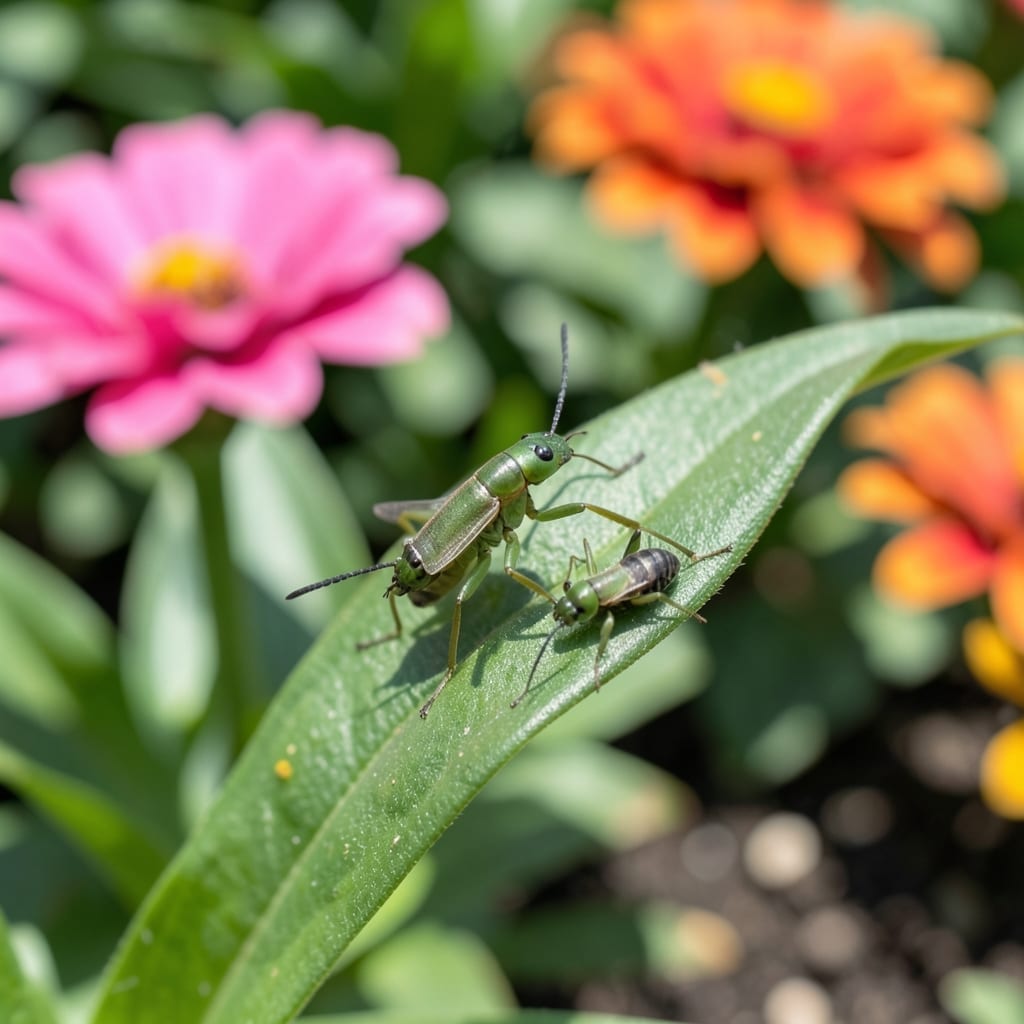
Those tiny green bugs on your zinnias aren’t just annoying—they’re stealing your blooms’ vitality. I’ve watched aphid infestations turn healthy plants into sad, curled-leaf shadows in days.
Here’s the thing—aphids multiply fast, but they’re also easy to outsmart. A strong blast from the hose dislodges them instantly. For stubborn cases, insecticidal soap or neem oil works without harming beneficial bugs.
Prevention is simpler than you think. Encourage ladybugs, plant companion flowers, and inspect new growth weekly. Your zinnias will thank you with bigger, brighter blooms all season.
No fancy equipment needed—just consistency. This method keeps my garden aphid-free year after year.
Aphids thrive on zinnias due to a combination of environmental and plant-specific factors. These tiny pests are attracted to the tender new growth and high sap content of zinnias, making them a prime target. Below are the key reasons why aphids appear on these vibrant flowers.
Zinnias grown with excessive nitrogen-rich fertilizers produce lush, soft foliage that aphids love. Nitrogen promotes leafy growth at the expense of the plant’s natural defenses, creating an ideal feeding ground for aphids. Action: Balance fertilization with phosphorus and potassium to strengthen plant resilience.
Soggy soil and high humidity create a favorable environment for aphids to reproduce rapidly. Zinnias in waterlogged conditions are more susceptible to infestations. Action: Water at the base of the plant early in the day and ensure proper drainage to reduce moisture buildup.
In gardens with limited biodiversity, aphids face no natural threats. Ladybugs, lacewings, and parasitic wasps—aphids’ primary predators—are often absent in monoculture settings. Action: Plant companion flowers like marigolds or alyssum to attract beneficial insects.
Aphids reproduce most aggressively in temperatures between 60–80°F (15–27°C). Zinnias planted during spring or early summer are especially vulnerable during this window. Action: Monitor plants closely during these conditions and intervene early with natural remedies.
Weak or stressed zinnias—due to poor soil, drought, or disease—emit chemical signals that attract aphids. Action: Maintain healthy growing conditions with well-draining soil, consistent watering, and proper spacing to minimize stress.
Tackling aphids on your zinnias doesn’t have to be a battle. With the right approach, you can restore your plants to their vibrant, healthy state. Here’s how to address each cause and prevent future infestations.
If your zinnias are packed too closely, airflow is restricted, creating a haven for aphids. Fix it by thinning out crowded areas to allow air circulation. Space plants at least 12–18 inches apart. Prevention tip: 💡 Plant zinnias with enough room from the start to avoid overcrowding.
Aphids thrive in damp conditions. Fix it by watering at the base of the plant early in the day, giving foliage time to dry. Avoid overhead watering to keep leaves dry. Prevention tip: 🌡️ Use drip irrigation to deliver water directly to the roots, reducing moisture on leaves.
Without ladybugs, lacewings, or other predators, aphid populations explode. Fix it by purchasing and releasing beneficial insects into your garden. Prevention tip: ✨ Plant companion flowers like marigolds or alyssum to attract these helpful bugs naturally.
Over-fertilizing with nitrogen can lead to lush, aphid-attracting growth. Fix it by switching to a balanced, slow-release fertilizer. Prevention tip: 🎯 Test your soil annually and amend it based on the results to maintain optimal nutrient levels.
Stressed zinnias are more susceptible to aphids. Fix it by ensuring they receive full sun (6–8 hours daily) and well-draining soil. Remove any heavily infested leaves or stems to prevent the spread. Prevention tip: 🔥 Rotate crops yearly and keep your garden free of debris to reduce stress and pest hiding spots.
Check the undersides of new leaves and near flower buds weekly. Look for clusters of tiny green, black, or white insects and sticky residue called honeydew. Early detection prevents rapid spreading.
Severely infested zinnias may have stunted growth and curled leaves. While they rarely kill mature plants, young seedlings can suffer irreversible damage. Act quickly to protect new growth.
Spray them off with a strong jet of water from a hose. This dislodges most aphids immediately. For stubborn cases, use insecticidal soap or neem oil, following label instructions.
Plant companion flowers like marigolds or alyssum to attract ladybugs and lacewings, which eat aphids. Avoid over-fertilizing with nitrogen, as it creates aphid-friendly soft growth.