
Beautiful Plants For Your Interior
Beautiful Plants For Your Interior
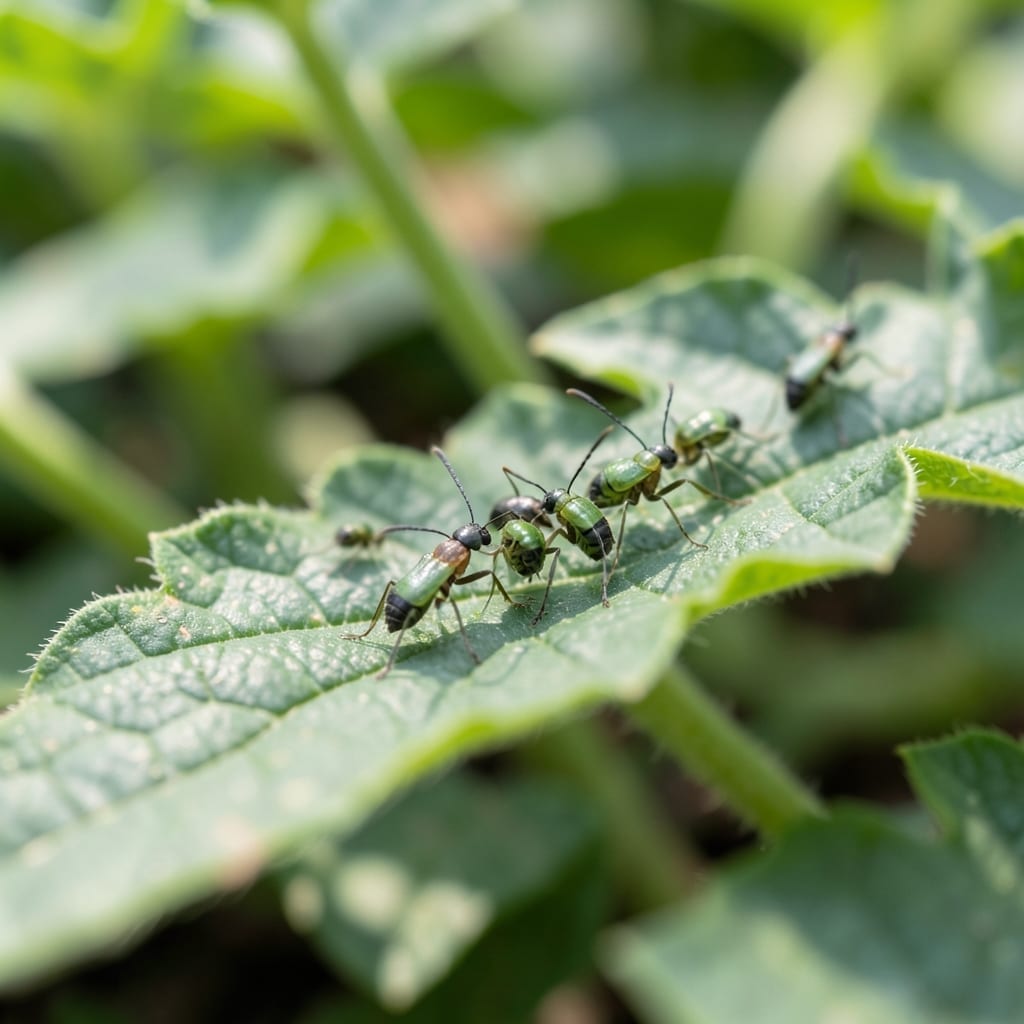
Tiny green invaders can wreck your watermelon vines overnight. I lost an entire crop to aphids my first season—200 square feet of plants reduced to sticky, curled leaves in a week.
Here’s the thing—aphids multiply faster than you can count. They cluster on new growth, sucking sap and spreading disease before you notice. Organic control works, but timing is everything.
You’ll spot the early signs: curled leaves, sticky residue, or ants marching up the stems. Catch them now and your vines recover within days with the right approach.
No harsh chemicals needed. Simple sprays and beneficial insects can turn the tide before real damage starts. Let’s save those melons.
Aphids thrive on watermelon plants due to a mix of environmental, biological, and cultural factors. Below are the most common causes, explained with actionable insights to help you prevent future outbreaks.
Excess nitrogen in the soil promotes lush, soft growth—a perfect feeding ground for aphids. These pests are drawn to the high sap content in tender new shoots. Action: Balance fertilization with potassium and phosphorus, and avoid over-application of nitrogen-heavy feeds.
Both overwatering and drought stress weaken watermelon plants, making them more susceptible to aphid attacks. Overwatering creates humid conditions that aphids love, while drought-stressed plants produce stress compounds that attract pests. Action: Maintain consistent moisture with drip irrigation and mulch to regulate soil hydration.
Aphid populations explode when their natural enemies—like ladybugs, lacewings, and parasitic wasps—are absent. This often happens in monoculture gardens or areas with heavy pesticide use, which kills beneficial insects. Action: Plant companion flowers (e.g., marigolds, alyssum) to attract predators and reduce broad-spectrum pesticide use.
Aphids reproduce rapidly in temperatures between 65–80°F (18–27°C) with low humidity. Watermelon plants grown in such conditions are prime targets. Action: Use row covers early in the season to deter aphids, and monitor plants closely during warm spells.
Aphids can hitchhike on infected seedlings, gardening tools, or even your clothing. Buying or transplanting infested plants introduces them directly to your garden. Action: Inspect new plants thoroughly, and sterilize tools between uses to prevent spread.
When aphids invade your watermelon plants, quick and targeted action can save your crop. Below are practical solutions for common aphid-related issues, along with prevention tips to keep them from returning.
If you spot dense clusters of aphids on leaves or stems, start by pruning heavily infested areas and disposing of them in a sealed bag. Then, use a strong jet of water from a garden hose to knock off remaining pests. Do this early in the day so foliage dries quickly, reducing disease risk.
Prevention tip: 💡 Inspect plants weekly—catching aphids early prevents explosive growth.
Encourage ladybugs, lacewings, and parasitic wasps by planting companion flowers like dill, fennel, or marigolds nearby. Avoid broad-spectrum pesticides, which harm these helpful allies. You can also purchase ladybugs from garden centers for an immediate boost.
Prevention tip: 🌼 Diversify your garden—more plant variety attracts a wider range of beneficial insects.
For stubborn aphids, mix 1 tbsp of mild liquid soap with 1 quart of water and spray directly on pests (avoid drenching the plant). Neem oil is another effective option—apply in the early morning or late evening to avoid harming pollinators. Reapply every 4–7 days or after rain.
Prevention tip: ✨ Rotate sprays to prevent aphids from developing resistance.
Aphids target stressed plants, so improve growing conditions. Ensure watermelons get full sun (6–8 hours daily), consistent watering (1–2 inches per week), and balanced fertilizer (avoid excess nitrogen, which attracts aphids). Mulch with straw or grass clippings to retain moisture and deter weeds.
Prevention tip: 🎯 Use row covers early in the season to block aphids while allowing light and water through.
With these steps, your watermelon plants can recover—and stay aphid-free for the long haul!
They appear as tiny green, black, or gray insects clustered on new growth, undersides of leaves, and stems. Look for curled leaves and a sticky residue called honeydew as additional signs of their presence.
Plant companion flowers like marigolds or alyssum to attract beneficial insects. Use row covers early in the season and maintain balanced fertilization to avoid excess nitrogen, which draws aphids.
Yes! Mix 1 tbsp mild liquid soap with 1 quart of water and spray directly on pests. Avoid drenching the plant, and reapply every 4–7 days or after rain.
They might if the underlying issues persist. Ensure plants are healthy, avoid over-fertilizing, and maintain a garden environment that supports natural predators to discourage reinfestation.