
Beautiful Plants For Your Interior
Beautiful Plants For Your Interior
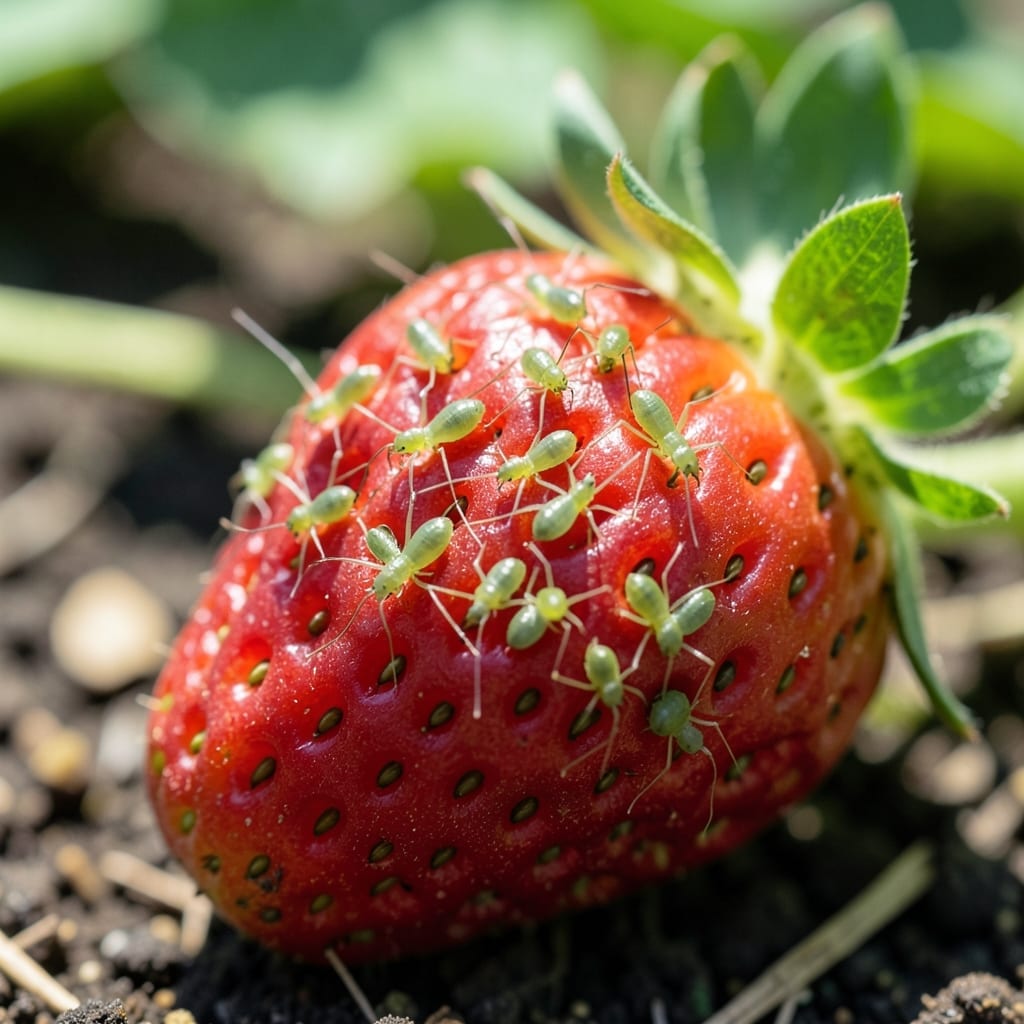
Tiny green bugs clustering under strawberry leaves stole my first harvest. I spotted them too late—shriveling fruit, sticky residue, and a growing colony that spread faster than I could pick berries.
Here’s the thing—aphids love strawberries because the plants offer tender new growth and sweet sap. Left unchecked, they’ll weaken your plants, reduce yields, and even invite ants that farm them for honeydew.
You can stop them with a strong blast of water early in the morning or introduce ladybugs, their natural predators. Neem oil works too, but timing matters to avoid harming pollinators.
The key is acting before they multiply. Check the undersides of leaves weekly, especially in spring when plants push out fresh growth. Your berries will thank you.
Aphids thrive on strawberries due to a combination of environmental, biological, and cultural factors. Understanding these causes helps you prevent and manage infestations effectively.
Excess nitrogen in soil promotes lush, soft growth—a perfect feeding ground for aphids. These pests are drawn to tender new shoots and leaves, which are easier to pierce and sap-suck. Action: Use balanced fertilizers and avoid over-application, especially in early growth stages.
Aphids reproduce rapidly in warm (60–80°F) and humid conditions, typical of spring and early summer. Strawberry plants provide ideal shelter, and dampness slows natural predators like ladybugs. Action: Monitor weather forecasts and inspect plants more frequently during these periods.
When beneficial insects (e.g., lacewings, parasitic wasps) are absent, aphid populations explode. This often happens in monoculture gardens or areas with heavy pesticide use. Action: Plant companion flowers (e.g., marigolds, yarrow) to attract predator species.
Dense strawberry patches reduce airflow and sunlight penetration, creating a microclimate aphids love. Poor air circulation also increases humidity, further encouraging infestations. Action: Space plants 12–18 inches apart and prune excess foliage to improve ventilation.
Aphids or their eggs can hitchhike on infected plant material, garden tools, or even your hands. Buying infested strawberry starts is a common way to introduce them. Action: Inspect new plants thoroughly and sterilize tools with rubbing alcohol between uses.
Tackling aphids on your strawberry plants is simpler than you think! Below are targeted solutions for common causes, plus prevention tips to keep your berries aphid-free.
Dense foliage traps moisture and hides aphids. Fix: Thin out excess leaves and runners to improve airflow. Space plants 12–18 inches apart so sunlight and sprays can reach all areas. Prevention: Start with proper spacing at planting and prune regularly.
Aphids thrive in damp conditions. Fix: Water at the base of plants in the morning to allow foliage to dry quickly. Use drip irrigation instead of overhead sprinklers. Prevention: Mulch with straw to reduce soil splash and keep leaves dry.
No ladybugs or lacewings? Aphids multiply unchecked. Fix: Release ladybugs or lacewing larvae (available at garden centers) at dusk. Avoid broad-spectrum pesticides that harm these helpers. Prevention: Plant companion flowers like marigolds or yarrow to attract beneficial insects.
For immediate action, use a soapy water spray (1 tsp mild dish soap per quart of water) or neem oil (follow label instructions). Spray directly on aphids, focusing on leaf undersides. Prevention: Inspect plants weekly and treat at the first sign of aphids.
💡 Pro Tip: Test sprays on a small area first to avoid damaging plants.
Check the undersides of leaves for tiny green or black insects. Look for curled leaves, sticky residue, or ants crawling on your plants. These are classic signs of an infestation.
Yes. They weaken plants by sucking sap, which reduces fruit size and quality. A severe infestation can even kill young plants. Act quickly to protect your crop.
You can, but avoid spraying during bloom to protect pollinators. Always follow label instructions and use early morning or evening applications. Organic options like neem oil are safer.
Blast them off with a strong stream of water from a hose. Do this in the morning so leaves dry quickly. Repeat daily until they’re gone.