
Beautiful Plants For Your Interior
Beautiful Plants For Your Interior
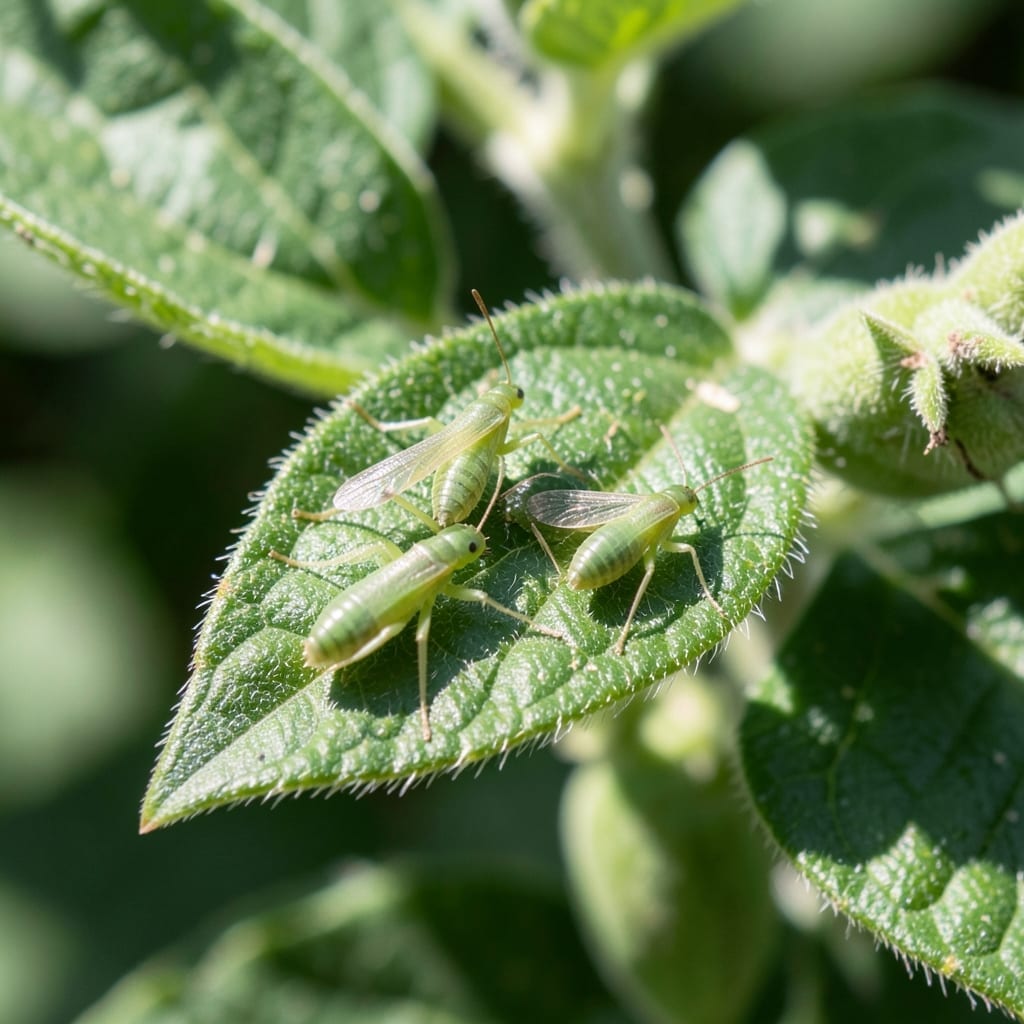
Tiny green invaders can turn a healthy soybean field into a stunted mess overnight. I’ve watched aphid populations explode in 48 hours, leaving plants weak and yields in the dirt.
The key is catching them early—before they cluster on new growth and start draining sap. Natural solutions work best when you act fast, using what’s already in your toolkit.
You’ll see plants recover quickly with the right approach, regaining their vibrant green and standing tall against future attacks. No harsh chemicals needed.
Works for small plots or large fields, organic or conventional. Here’s how to reclaim your crop before it’s too late.
Aphid infestations on soybeans often stem from a mix of biological, environmental, and agricultural factors. Understanding these triggers helps growers implement targeted prevention. Below are the primary causes, broken down for clarity and actionability.
Excess nitrogen boosts lush, soft plant growth—aphids’ favorite food. Soybeans fertilized heavily with nitrogen produce tender new shoots rich in amino acids, which aphids thrive on. Action: Balance nitrogen with potassium and phosphorus to toughen plant tissue and deter feeding.
Aphids reproduce rapidly in temperatures between 68–82°F (20–28°C) with low humidity. Drought-stressed soybeans emit volatile compounds that attract aphids, while dry soil limits natural predators like ladybugs. Action: Irrigate strategically to maintain soil moisture and disrupt aphid breeding cycles.
Large soybean monocultures lack biodiversity, eliminating natural aphid predators (e.g., lacewings, parasitic wasps). Without checks, aphid populations explode. Action: Introduce companion plants like buckwheat or alfalfa to restore predator-prey balance.
Late-planted soybeans or those under stress (e.g., herbicide damage, poor drainage) grow more slowly, prolonging the vulnerable seedling stage when aphids colonize most aggressively. Action: Optimize planting dates and monitor early for signs of stress.
Aphids can travel miles on wind currents, landing on soybeans from neighboring infested fields or wild hosts (e.g., clover, alfalfa). Action: Scout field edges weekly during migration seasons (spring/early summer) to catch infestations early.
Tackling aphids on your soybean crops starts with identifying the infestation early and acting fast. Here’s how to address common causes and restore your plants’ health.
Introduce beneficial insects like ladybugs, lacewings, or parasitic wasps to your field. These predators feed on aphids and can significantly reduce their numbers. For best results, release them in the early morning or late afternoon when temperatures are cooler. Prevention tip: 💡 Plant companion crops like clover or alfalfa nearby to attract and sustain these helpful insects year-round.
If aphids are thriving due to stressed or weak soybean plants, boost their defenses with neem oil or insecticidal soap. Mix 1-2 tablespoons of neem oil with a gallon of water and spray directly on the leaves, focusing on the undersides where aphids hide. Repeat every 5-7 days until the infestation clears. Prevention tip: 🌡️ Ensure your soybeans receive adequate water and nutrients to keep them resilient against pests.
Avoid synthetic pesticides, which can harm beneficial insects and lead to resistant aphid populations. Instead, opt for kaolin clay or diatomaceous earth. Sprinkle diatomaceous earth around the base of plants or create a kaolin clay spray to coat leaves, creating a barrier aphids can’t penetrate. Prevention tip: ✨ Rotate your crops annually to disrupt aphid life cycles and reduce recurrence.
Consistency is key—monitor your crops regularly and combine these methods for the best results!
Aphid populations can double in 2-3 days under ideal conditions like warm, dry weather. A small cluster can become a full-blown infestation within 1-2 weeks if left unchecked.
Ladybugs are top predators, consuming up to 50 aphids daily. Lacewings and parasitic wasps also work well. Release them at dusk for best results.
No, but drought-stressed plants are more vulnerable. Maintain consistent moisture—neither too dry nor soggy—to keep soybeans resilient against pests.
Use neem oil at the first sign of aphids, repeating every 5-7 days. Apply in the evening to avoid harming beneficial insects active during the day.