
Beautiful Plants For Your Interior
Beautiful Plants For Your Interior
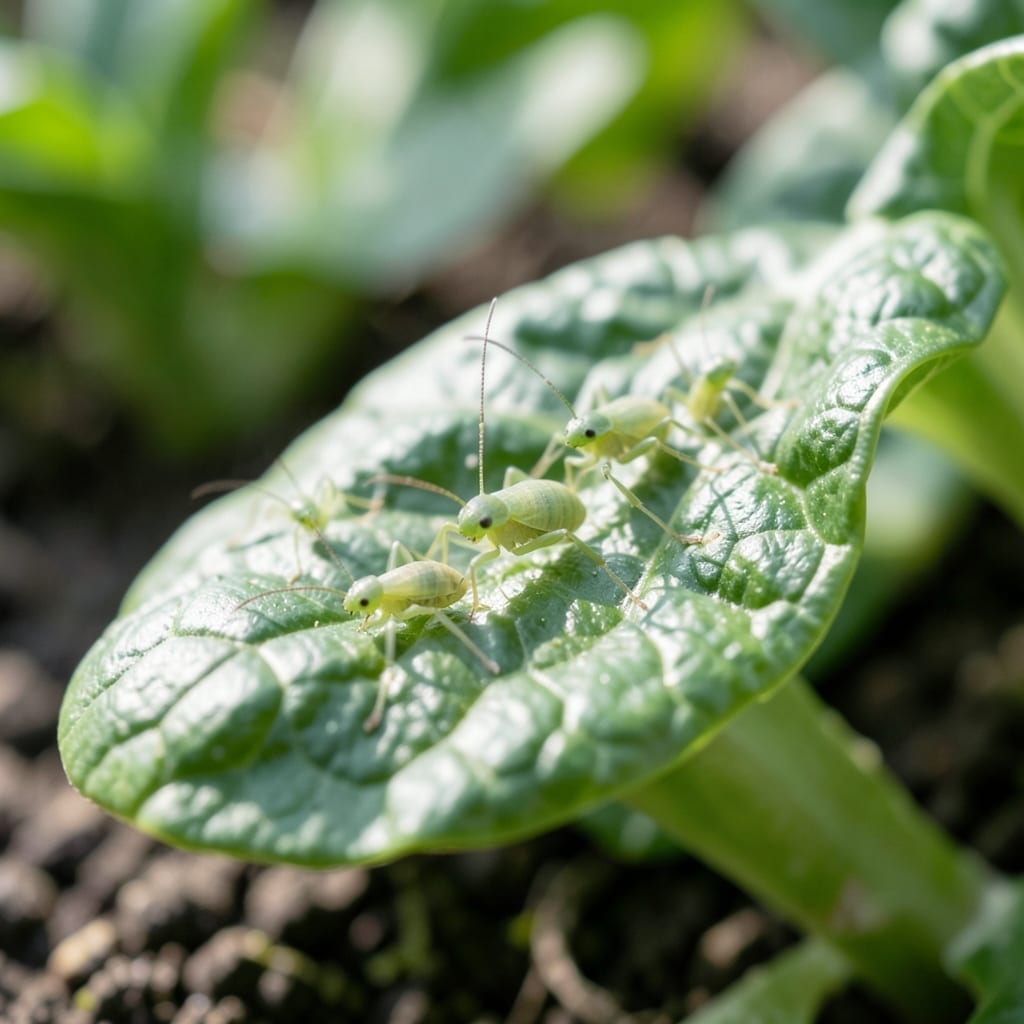
Tiny green invaders can ruin your romaine overnight. I spotted my first aphid cluster on a Sunday morning—by Tuesday, they’d spread to three plants. Early detection is your best defense against these soft-bodied pests that multiply faster than you’d believe.
They love the tender new growth of romaine, clustering in hidden leaf folds where they’re hardest to see. The damage isn’t just cosmetic: curled leaves, stunted growth, and that dreaded sticky residue they leave behind. One plant can become ground zero for your entire crop.
What saves the harvest is quick action. A strong spray from the hose knocks them off temporarily, but you’ll need a real strategy to keep them gone. The good news? Romaine bounces back fast once they’re under control.
This works for container gardens, raised beds, or in-ground plantings. The key is checking the undersides of leaves every few days when the weather turns warm.
Aphids thrive on romaine lettuce due to a mix of environmental, biological, and cultural factors. Understanding these triggers helps you prevent infestations before they start.
Excess nitrogen in soil promotes lush, tender growth—exactly what aphids love. Romaine lettuce heavily fertilized with nitrogen-rich compounds (like synthetic NPK blends) produces soft, sap-filled leaves that are a magnet for these pests. Action: Balance fertilization with phosphorus and potassium, and opt for slow-release organic options.
Both drought and waterlogged conditions weaken romaine lettuce, making it more susceptible to aphids. Stressed plants emit volatile organic compounds (VOCs) that attract pests. Action: Maintain consistent moisture with drip irrigation and ensure proper drainage.
Aphids reproduce rapidly in temperatures between 65–80°F (18–27°C) with low humidity. These conditions accelerate their life cycle, allowing populations to explode in days. Action: Use shade cloths in peak heat and introduce natural predators like ladybugs.
Monoculture gardens (growing only romaine or similar crops) eliminate natural aphid predators. Without beneficial insects like lacewings or parasitic wasps, aphids face no resistance. Action: Plant companion flowers (e.g., marigolds, alyssum) to attract predator species.
Planting romaine or related crops (e.g., other lettuces, spinach) in the same spot year after year allows aphids to overwinter in soil or debris. Action: Rotate with non-host crops (e.g., beans, carrots) to break the pest cycle.
Tackling aphids on your romaine lettuce doesn’t have to be a battle. Here’s how to fix the problem based on the cause, along with tips to keep your greens aphid-free in the future.
If you spot a few aphids early, a strong spray of water from a garden hose can knock them off. For stubborn clusters, wipe leaves with a soapy water solution (1 tsp mild dish soap per quart of water). Rinse thoroughly afterward.
Prevention tip: 💡 Inspect leaves weekly, especially the undersides, to catch aphids before they multiply.
Introduce beneficial insects like ladybugs or lacewings to your garden. They’ll feast on aphids naturally. You can also spray neem oil (mix 1 tbsp per gallon of water) to disrupt their lifecycle. Apply in the evening to avoid harming pollinators.
Prevention tip: 🌱 Plant companion flowers like marigolds or alyssum to attract aphid-eating bugs.
For recurring issues, use insecticidal soap or horticultural oil. Spray directly on aphids, ensuring full coverage. Reapply every 4-7 days until the infestation clears. Always test a small area first to avoid damaging leaves.
Prevention tip: ✨ Rotate crops and avoid over-fertilizing with nitrogen, which attracts aphids.
If the lettuce is heavily damaged, pull and discard the affected plants to prevent aphids from spreading. Avoid composting infested plants unless your pile reaches high temperatures.
Prevention tip: 🎯 Use row covers early in the season to block aphids from reaching new plants.
Look for clusters of tiny green or black bugs on new growth and leaf undersides. You’ll also notice curled leaves and a sticky residue called honeydew.
No, if properly diluted. Use 1 tsp mild dish soap per quart of water and rinse thoroughly after application. Avoid harsh detergents.
Yes, but wait 24-48 hours after using organic treatments like neem oil. Wash leaves thoroughly with water before consuming.
Inspect leaves every 2-3 days during warm weather when aphids reproduce rapidly. Focus on new growth and hidden leaf folds.