
Beautiful Plants For Your Interior
Beautiful Plants For Your Interior
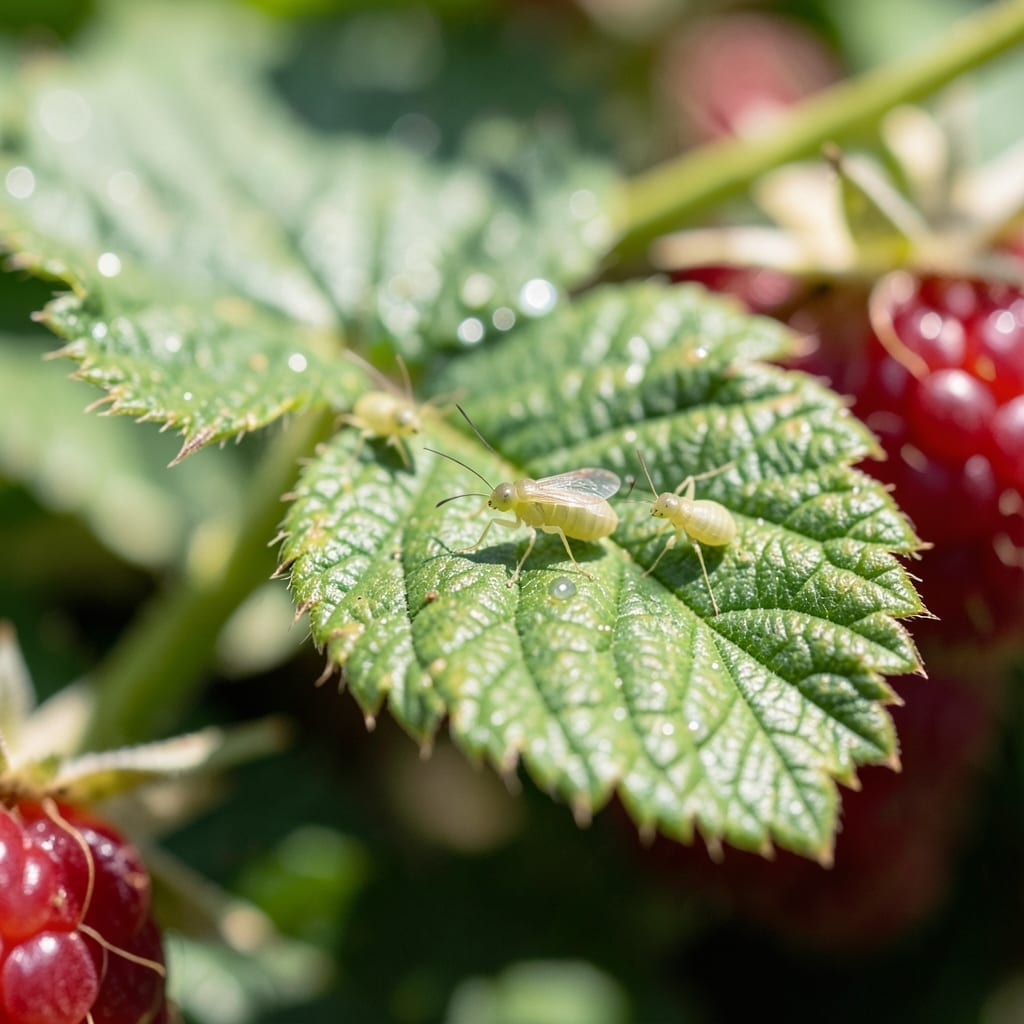
Tiny green invaders on your raspberry canes spell trouble. I first noticed the curled leaves and sticky residue last summer, then watched my harvest shrink by 40% before taking action.
These pests multiply fast, but they’re not invincible. A strong blast from the hose removes most, while ladybugs and lacewings do the rest naturally. The key is catching them early before they spread to every cane.
Within 2-3 days of treatment, you’ll see fewer aphids and new growth returning to normal. Your plants recover quickly with the right organic approach, and the berries stay clean and healthy.
Works for all raspberry varieties, from summer-bearing to everbearing. Here’s the exact method that saved my patch.
Aphids thrive on raspberries for several biological and environmental reasons. Understanding these causes helps you prevent infestations and protect your crop.
Excess nitrogen in the soil promotes lush, soft growth—the perfect breeding ground for aphids. These pests are drawn to the high protein content in new shoots, which they pierce to feed on sap. Reduce nitrogen-heavy fertilizers and opt for balanced or phosphorus-rich options to strengthen plant cells.
Aphids reproduce rapidly in mild temperatures (60–80°F) and low humidity. Dry spells weaken raspberry plants, making them more susceptible to attack. Consistent watering (especially at the base) and shade cloth in peak heat can deter outbreaks.
Without ladybugs, lacewings, or parasitic wasps, aphid populations explode. Pesticides often kill these beneficial insects first. Plant companion flowers (like yarrow or dill) to attract predators, or introduce them manually for organic control.
Dense raspberry canes limit airflow, creating a humid microclimate aphids love. Prune canes to improve circulation and remove weak growth where pests hide. Space plants 18–24 inches apart to reduce vulnerability.
When aphids invade your raspberry plants, quick and targeted action can save your harvest. Here’s how to tackle each common cause and keep your berries thriving.
Dense foliage creates a perfect hiding spot for aphids. Thin out crowded canes in early spring to improve airflow and reduce pest habitats. Space raspberry plants at least 18–24 inches apart to discourage infestations. Remove and destroy heavily infested canes immediately to prevent spread.
Aphids love damp environments. Water at the base of plants in the morning to allow foliage to dry quickly. Use drip irrigation instead of overhead sprinklers to keep leaves dry. If your soil retains too much water, amend it with compost or sand to enhance drainage.
Encourage natural aphid predators like ladybugs, lacewings, and parasitic wasps. Plant companion flowers such as marigolds, yarrow, or alyssum nearby to attract these helpful insects. Avoid broad-spectrum pesticides, which can harm beneficial bugs along with pests.
For immediate control, spray aphids with a homemade insecticidal soap (1 tsp mild dish soap per 1 quart of water) or neem oil (follow package instructions). Apply in the early morning or late evening to avoid harming bees. Reapply every 4–7 days until aphids are gone.
Prevention Tips: 💡
Tiny green, black, or yellow bugs clustering on new growth and undersides of leaves. They’re 1-2mm long with pear-shaped bodies. Look for curled leaves and sticky honeydew residue as additional signs.
Rarely, but severe infestations weaken plants and reduce fruit production. Young canes are most vulnerable. Act quickly when you first notice them to prevent significant damage.
Yes, but wait 24-48 hours after using organic sprays like neem oil or insecticidal soap. Always wash berries thoroughly before eating. For chemical pesticides, follow label instructions precisely.
They reproduce rapidly and may reinfest from nearby plants. Maintain consistent prevention: remove weeds, encourage predators, and inspect canes weekly during growing season.