
Beautiful Plants For Your Interior
Beautiful Plants For Your Interior
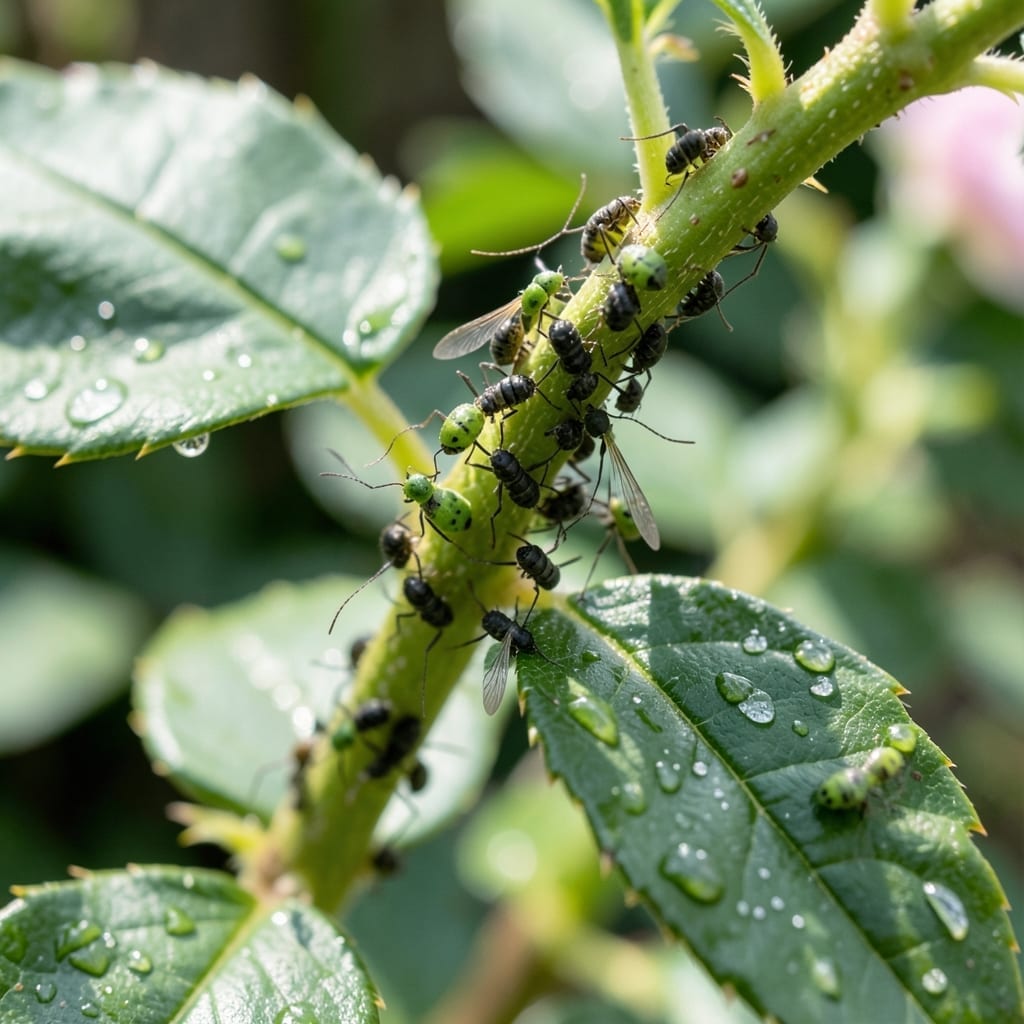
Aphids are small, soft-bodied insects that cluster on new growth and undersides of leaves, sucking plant sap and causing curled, yellowing foliage. They multiply rapidly but are manageable with early intervention.
I notice these pests often target tender new shoots because the cell walls are thinner, making sap extraction easier. 🔥 They also excrete sticky honeydew that attracts ants and fosters sooty mold growth. Left unchecked, a small cluster can explode into a full-blown infestation within days.
What works best in my experience is catching them early with a strong water spray or introducing natural predators like ladybugs. 💫
💡 In This Article
Aphids pierce plant tissues with needle-like mouthparts called stylets, injecting saliva that breaks down cell walls. This allows them to suck out sap rich in carbohydrates and amino acids, which are vital for plant growth. The process weakens the plant by diverting nutrients meant for development. 🔥
Their feeding causes visible distortion like curled leaves and stunted shoots because the saliva disrupts normal cell growth. A single aphid can consume sap equal to 10-20 times its body weight daily, rapidly depleting a plant’s resources.
The honeydew they excrete—up to 5-10 drops per hour per aphid—creates a sticky layer that blocks sunlight and promotes fungal growth.
These pests often target new growth because the cell walls are thinner and contain higher concentrations of nutrients. The undersides of leaves provide shelter from predators and environmental extremes, making them ideal feeding grounds. This selective feeding pattern explains why aphids cluster in these specific areas. ✨
Aphids also transmit plant viruses through their saliva. Over 200 species of viruses can spread this way, with some causing complete crop loss. The viruses multiply within the aphid’s body and are injected into the next plant it feeds on, creating a devastating chain reaction in gardens.
Their rapid reproduction—females can produce 50-100 offspring in a week without mating—means populations explode exponentially. This reproductive strategy, called parthenogenesis, allows them to quickly overwhelm a plant before natural predators can respond effectively. 💫
They love tender new growth and plants with soft tissues. Over-fertilizing with nitrogen creates lush, weak growth that’s irresistible to them.
Encourage natural predators like ladybugs by planting dill or fennel. Use reflective mulches or row covers for vulnerable plants.
Severe infestations can weaken plants significantly, but healthy plants usually recover with treatment. The real danger is virus transmission, which can be fatal.
They reproduce rapidly and can reinfest from neighboring plants. Ants also protect them for their honeydew, so eliminate ant trails too.