
Beautiful Plants For Your Interior
Beautiful Plants For Your Interior
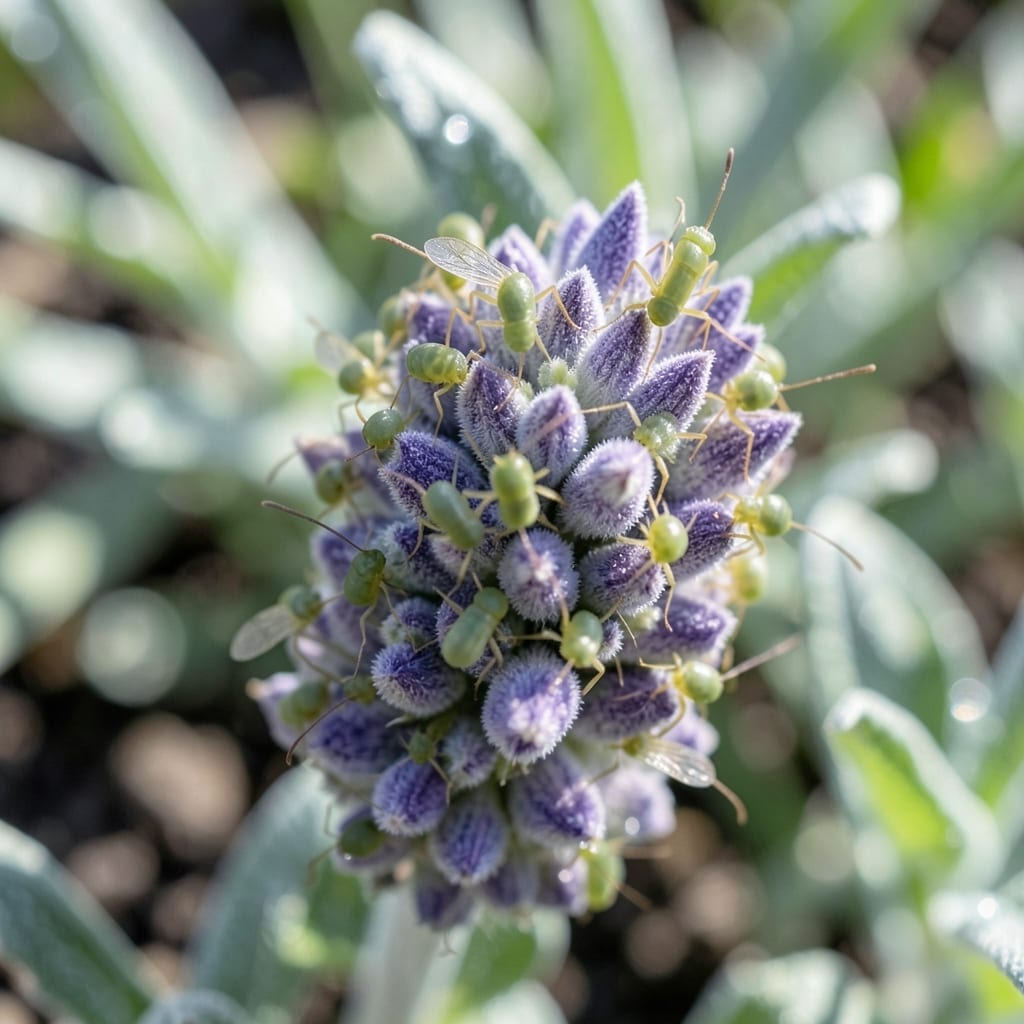
Tiny green invaders on your lavender mean trouble. 🌿 I spotted my first aphid colony last spring, clustered on new growth like uninvited party guests. They multiply fast, sucking sap and leaving sticky residue that ruins those fragrant purple blooms you planted for.
Here’s the thing—aphids love stressed plants. Overwatering, poor drainage, or too much shade creates their ideal conditions. My lavender bounced back once I fixed the environment and evicted the pests with a simple spray.
Within 48 hours of treatment, you’ll see fewer bugs and new growth resuming. The lavender recovers quickly with the right approach, and the scent returns stronger than before.
Works for potted plants, garden beds, or drought-stressed specimens. The solution is gentler than you’d expect.
Aphids may seem like tiny, harmless bugs, but they can quickly turn your lavender into a stressed, sticky mess. 😬 Here’s why they show up in the first place:
Lavender thrives in lean, well-draining soil. When you over-fertilize—especially with nitrogen-heavy products—you create a lush, soft growth that aphids love. This nutrient imbalance weakens the plant’s natural defenses, making it a prime target. Stick to low-nitrogen, phosphorus-rich fertilizers to keep your lavender tough and resistant.
Lavender is a drought-tolerant plant, and soggy soil is a red flag for trouble. Overwatering not only stresses the roots but also fosters the tender, new growth that aphids crave. Ensure your lavender has excellent drainage and water only when the top inch of soil is dry.
Aphids thrive in monocultures where natural predators like ladybugs, lacewings, and parasitic wasps are absent. If your garden lacks diversity, these beneficial insects won’t stick around to keep aphid populations in check. Plant companion flowers like marigolds or yarrow to attract aphid predators.
Aphids often overwinter as eggs on plants. If your region experiences unseasonably warm winters, these eggs can hatch early, giving aphids a head start on infesting your lavender. Monitor your plants in late winter and early spring for early signs of activity.
Tackling aphids on your lavender doesn’t have to be a battle. With the right approach, you can restore your plants to their fragrant, vibrant best. Here’s how to address each common cause and keep those pests at bay.
If soggy soil or frequent watering is attracting aphids, let the top inch of soil dry out between waterings. Lavender thrives in well-draining soil, so ensure pots have drainage holes or amend garden beds with sand or gravel. Pro tip: Water at the base of the plant, not the leaves, to discourage aphid clusters.
Encourage beneficial insects like ladybugs, lacewings, or parasitic wasps by planting companion flowers (e.g., marigolds or yarrow) nearby. Avoid broad-spectrum pesticides, which can harm these helpers. For a quick fix, purchase ladybugs from a garden center and release them at dusk.
Harsh chemicals can disrupt the ecosystem and make aphids resistant. Instead, use a mild soap spray (1 tsp dish soap + 1 liter water) to coat and suffocate aphids. Spray in the early morning or late evening to avoid harming bees. 💡 Pro tip: Test on a small section first to ensure no leaf burn.
Stressed lavender is aphid magnet. Prune dead growth, improve air circulation, and fertilize lightly with a balanced, low-nitrogen mix. Healthy plants resist pests better!
Prevention is key: Regularly inspect leaves for clusters, especially under new growth. A strong blast of water can dislodge aphids early. Keep your garden clean—remove debris where pests might overwinter.
They appear as tiny green, black, or gray pear-shaped insects clustered on new growth or flower buds. You might also notice sticky honeydew residue or curled leaves.
Rarely, but severe infestations can weaken the plant and reduce flowering. Early treatment prevents long-term damage. Healthy lavender usually recovers within 1-2 weeks.
Yes, neem oil is safe and effective when diluted properly. Mix 1 tbsp neem oil + 1 tsp dish soap + 1 quart water and spray in the evening.
They may be hitchhiking on ants or hidden among nearby plants. Treat the entire garden area and remove ant trails to break the cycle.