
Beautiful Plants For Your Interior
Beautiful Plants For Your Interior
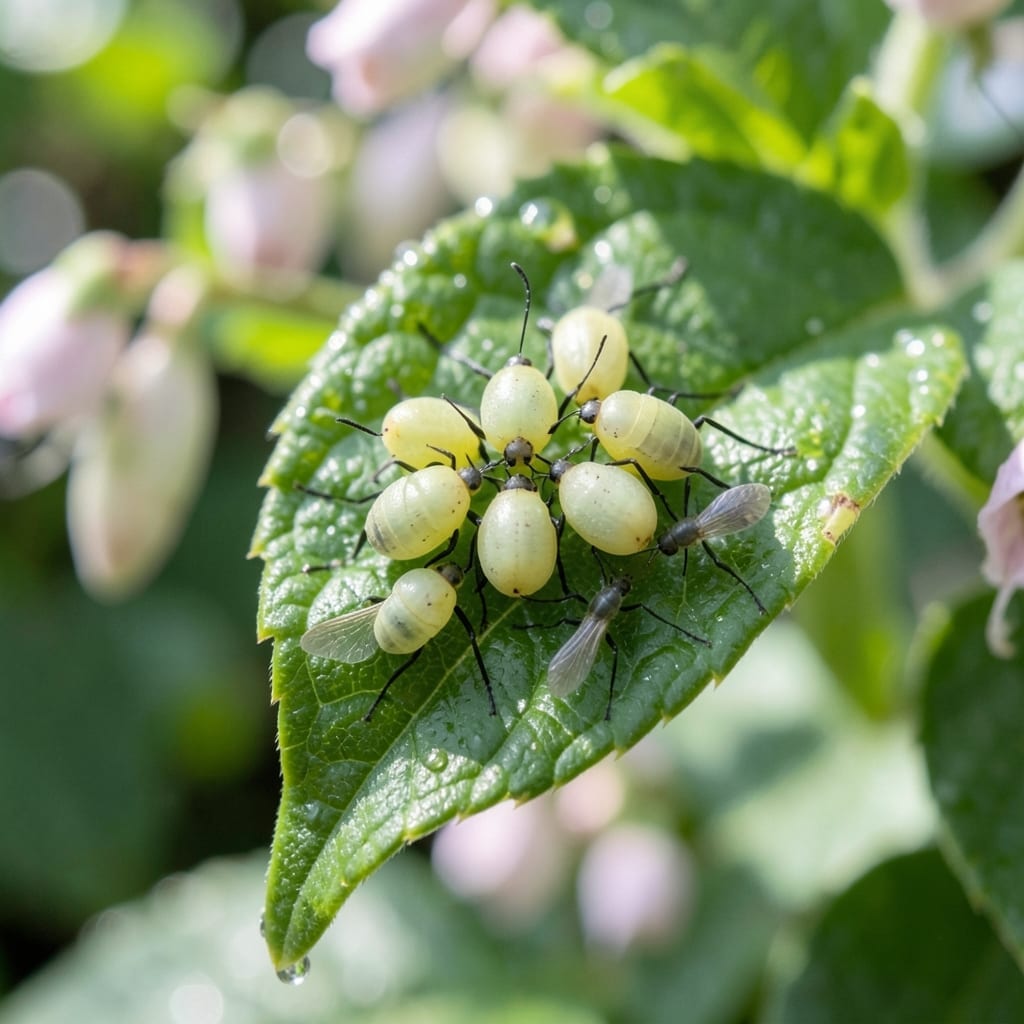
Tiny green invaders can ruin your honeysuckle in days. I first noticed them last spring when my vines started looking sickly overnight.
These pests multiply fast, sucking sap and leaving sticky residue that attracts more problems. They curl new leaves and stunt growth before you even realize they’re there.
Here’s the thing—you can spot them early by checking the undersides of leaves. A strong blast of water often knocks them off before they establish.
Between you and me, the best defense is a healthy plant. Proper watering and feeding make your honeysuckle less appealing to these sap-suckers.
Aphids flock to honeysuckle for several key biological and environmental reasons. Understanding these causes helps you disrupt their lifecycle and protect your plants.
Honeysuckle produces soft, succulent shoots and leaves—especially in spring—which are rich in amino acids and sugars. Aphids thrive on this nutrient-dense tissue, using their piercing mouthparts to tap into the phloem. The plant’s rapid growth creates an all-you-can-eat buffet, making it a prime target for infestation.
Aphid populations explode in temperatures between 60–80°F (15–27°C) with low humidity. These conditions speed up their reproduction cycle (some species can produce a new generation in 7–10 days). Honeysuckle, often grown in sunny spots, unwittingly fosters this ideal aphid breeding ground.
When ladybugs, lacewings, and parasitic wasps are absent, aphid colonies face no checks. Urban gardens or monoculture plantings (like honeysuckle hedges) often lack biodiversity, reducing predator presence. Without these natural enemies, aphids multiply unchecked, quickly overwhelming the plant.
Excess nitrogen from synthetic fertilizers promotes lush, weak growth—exactly what aphids love. Honeysuckle fertilized heavily in early spring may produce abundant tender shoots, but this also signals a dinner bell for aphids. Balancing nutrients (e.g., adding potassium and phosphorus) strengthens plant cells, making them less appealing to pests.
Tackling aphids on your honeysuckle starts with quick, targeted action. Below are practical solutions grouped by cause, plus tips to keep these pests from returning.
For a few clusters of aphids, prune the affected stems or leaves and drop them into a sealed bag. Then, use a strong spray of water from a hose to knock off any remaining pests. Do this early in the day so the foliage dries quickly.
Prevention tip: 💡 Inspect your honeysuckle weekly during the growing season to catch aphids before they multiply.
Mix 1 tablespoon of mild liquid soap (like Castile) with 1 quart of water and spray directly on aphids. For a more potent solution, use neem oil (follow label instructions). These suffocate the pests without harming beneficial insects if used correctly.
Prevention tip: ✨ Apply in the evening to avoid harming pollinators like bees.
Encourage ladybugs, lacewings, or parasitic wasps—natural aphid enemies—by planting companion flowers like dill, yarrow, or marigolds nearby. Avoid broad-spectrum pesticides, which kill these helpful insects too.
Prevention tip: 🎯 Reduce ant populations, as they protect aphids for their honeydew. Use sticky traps or diatomaceous earth around the base of the plant.
A stressed honeysuckle is more vulnerable. Fertilize lightly with a balanced organic option and ensure it gets full sun to partial shade and well-draining soil. Over-fertilizing can worsen aphid problems by promoting soft, new growth they love.
Prevention tip: 🌡️ Mulch around the base to retain moisture and reduce stress, but avoid piling it against the stems.
They love tender new growth and warm, dry weather. Over-fertilizing with nitrogen also creates ideal feeding conditions for them.
Inspect the undersides of leaves weekly during growing season. Early detection prevents large infestations from taking hold.
Avoid broad-spectrum pesticides—they kill beneficial insects too. Stick with neem oil or soapy water for a safer approach.
Yes! Ants protect them for their honeydew. Use sticky traps or diatomaceous earth to control ant populations.