
Beautiful Plants For Your Interior
Beautiful Plants For Your Interior
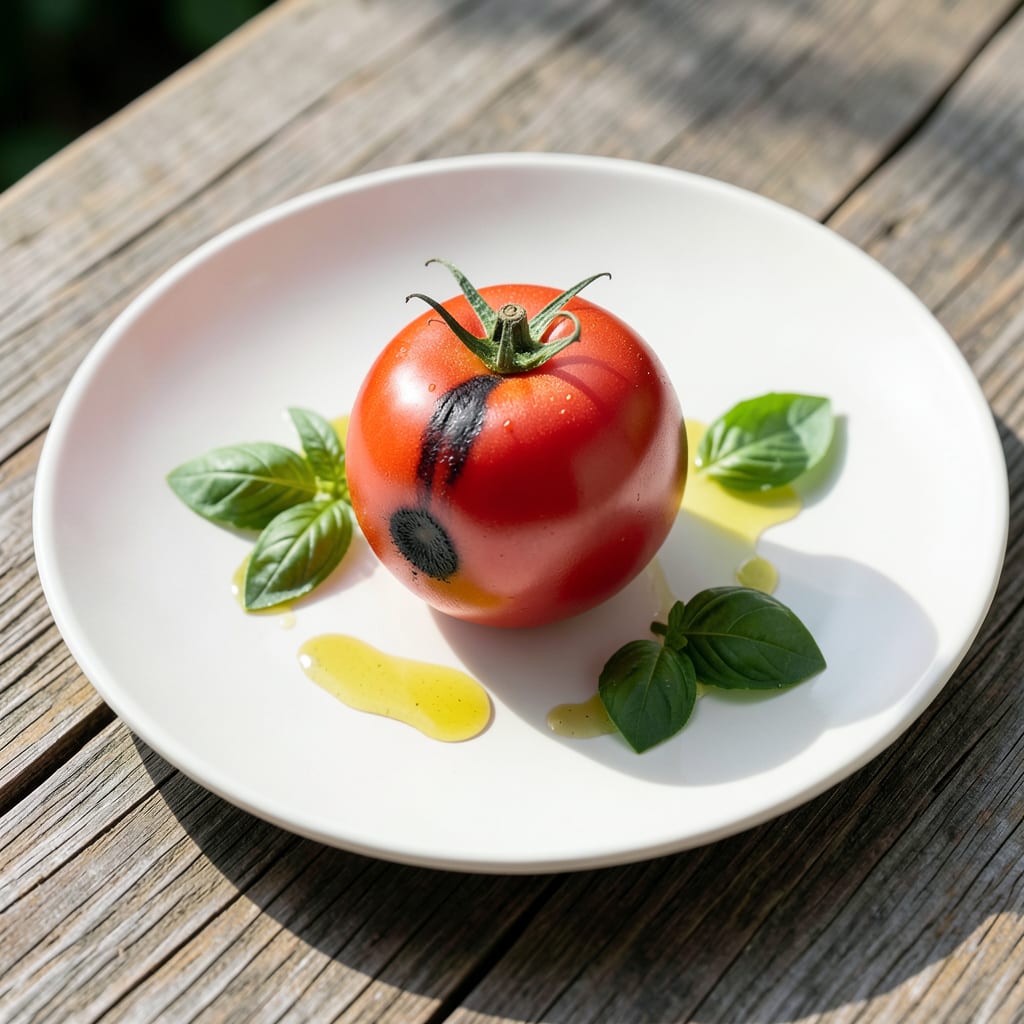
That black spot on your tomato isn’t just ugly—it’s a warning. I’ve lost entire harvests to this, and the fix starts with spotting it early before it spreads to every fruit.
Most times, it’s blossom end rot, a calcium deficiency that hits when growth outpaces nutrient uptake. Hot, dry weather makes it worse, but overwatering and inconsistent soil moisture play their part too. The good news? It’s 100% preventable with the right approach.
You’ll see the first signs as small, water-soaked spots that darken and expand. Catch it now, and you can save the rest of your crop. Left unchecked, it’ll turn leathery and ruin the fruit.
Works for container gardens, raised beds, or in-ground plants alike. Here’s how to stop it in its tracks.
Tomato black spot on the bottom, often called blossom end rot, isn’t actually a disease—it’s a physiological disorder triggered by environmental and cultural factors. Here’s a breakdown of the primary causes, grounded in plant science.
The most direct cause is a localized calcium shortage in the blossom-end tissue of the tomato. Calcium is essential for cell wall stability, and when fruit growth outpaces calcium uptake (especially during rapid expansion), cells collapse and die, turning black. This often happens even if soil tests show adequate calcium—uneven watering or root damage can limit calcium transport to the fruit.
Fluctuations in soil moisture—from drought to overwatering—disrupt calcium flow. When soil dries out, roots can’t absorb calcium effectively. Sudden heavy watering after a dry spell causes fruits to swell too quickly, stressing cell walls. Drip irrigation on a consistent schedule helps maintain steady moisture levels.
High temperatures (above 85°F) and low humidity increase transpiration, pulling water (and calcium) away from the fruit. Cold soil (below 55°F) slows root activity, reducing nutrient uptake. Mulching with straw can moderate soil temperature and retain moisture.
Excessive nitrogen, magnesium, or potassium can block calcium absorption, even when calcium is present. A soil test can reveal imbalances. Amending with gypsum (calcium sulfate) or crushed eggshells can help, but only if applied before symptoms appear—calcium can’t be absorbed through leaves once the fruit is affected.
Stopping black spots on the bottom of tomatoes starts with identifying the cause and applying the right fix. Below are targeted solutions for the most common triggers, plus prevention tips to keep your crop healthy.
💡 Pro Tip: Test your soil’s pH—tomatoes thrive at 6.0–6.8. If it’s too acidic, add lime to help calcium absorption.
Yes, you can eat them if you cut off the blackened portion. The rest is safe and tastes normal. Avoid consuming severely rotted fruit though.
Blossom end rot develops within 3-5 days on growing fruit. Once spotted, act fast to prevent it from affecting other tomatoes.
The blossom end is farthest from the stem, so calcium reaches it last. Rapid growth or stress causes this area to suffer first.
No, excess nitrogen can worsen calcium uptake. Focus on balanced soil and consistent watering instead.
