
Beautiful Plants For Your Interior
Beautiful Plants For Your Interior
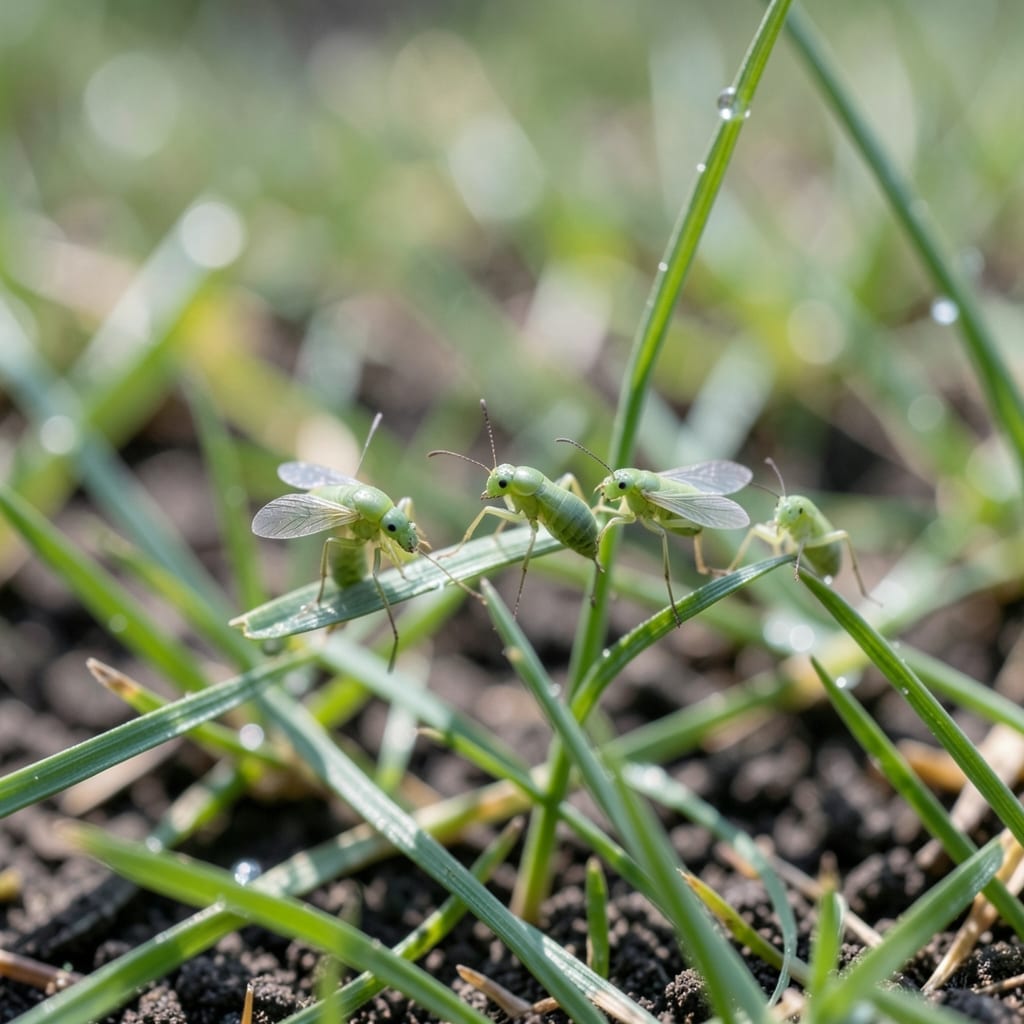
Your lawn shouldn’t look like swiss cheese. Aphids turn healthy grass into a patchy, yellowing mess faster than you’d think.
I spotted my first infestation when the grass felt oddly sticky underfoot—that’s honeydew, aphids’ calling card. Tiny green or black bugs clustering near the base confirm it. They suck sap from blades, weakening the entire lawn.
Catching them early makes elimination 10x easier. A strong blast from the hose knocks them off, while neem oil or insecticidal soap handles heavier cases. Prevention starts with proper mowing and avoiding over-fertilization.
Left unchecked, they spread to neighboring plants and invite ants. Here’s how to stop them in their tracks.
Aphids thrive on grass due to a mix of environmental and biological factors. Understanding these triggers can help you prevent outbreaks before they start. Below are the most common causes:
Excess nitrogen in soil promotes lush, tender grass growth—exactly what aphids love. These pests are drawn to soft, new shoots rich in sap. High-nitrogen fertilizers (e.g., synthetic lawn feeds) create an all-you-can-eat buffet for aphids, accelerating their reproduction.
Soggy soil and standing water weaken grass roots, stressing the plant and making it more susceptible to pests. Aphids also prefer moist environments, as it supports their soft bodies and rapid breeding cycles. Overwatered lawns often develop fungal growth, which can further attract aphids.
Aphids reproduce exponentially in temperatures between 60–80°F (15–27°C) with high humidity. Spring and early summer are peak seasons for infestations, as these conditions allow aphids to multiply quickly without natural predators (like ladybugs) keeping them in check.
Monoculture lawns (single grass species) lack natural defenses. Aphids face no resistance from diverse plant compounds or competing insects. Introducing clover, wildflowers, or native grasses disrupts their feeding patterns and attracts beneficial predators.
Actionable tip: Reduce nitrogen-heavy fertilizers, improve drainage, and plant a variety of species to break the aphid life cycle.
Dealing with aphids on your lawn can feel frustrating, but these practical solutions will help you reclaim your grass.
Excess moisture attracts aphids. Fix soggy soil by aerating the lawn and adding compost to improve drainage. Water deeply but less frequently—aim for 1 inch per week—to discourage aphid-friendly conditions.
Encourage ladybugs, lacewings, and parasitic wasps—aphids’ natural predators—by planting nectar-rich flowers like marigolds or alyssum nearby. Avoid broad-spectrum pesticides, which harm these beneficial insects.
If aphids persist, mix 1 tablespoon of mild dish soap with 1 quart of water and spray affected areas. This disrupts their cell membranes without harming grass. Reapply every 4–5 days until they’re gone.
A healthy lawn resists pests better. Mow high (3–4 inches), fertilize with a balanced formula, and overseed thin patches. Stronger grass outcompetes aphids naturally.
Prevention Tips: 💡
They appear as tiny green, black, or gray insects clustering near the base of blades. You might also notice a sticky residue called honeydew or curled, yellowing grass.
Severe infestations can weaken grass, making it more vulnerable to disease and drought. However, healthy lawns usually recover once the pests are removed.
In ideal conditions, aphid populations can double in 2-3 days. Warm, humid weather accelerates their reproduction, so act fast at the first sign.
Heavy rain can dislodge some, but it won’t eliminate an infestation. Combine natural rainfall with targeted treatments like soap sprays for best results.