
Beautiful Plants For Your Interior
Beautiful Plants For Your Interior
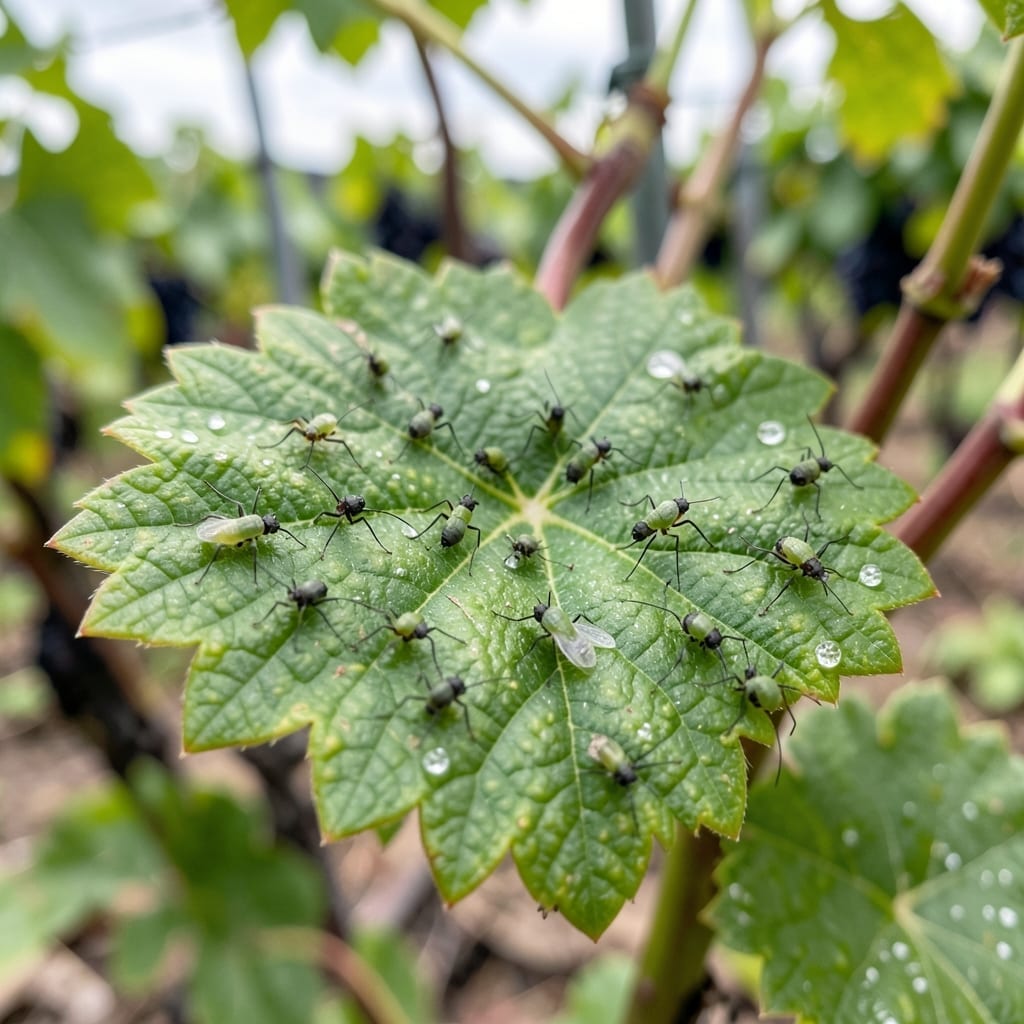
I spotted my first aphid cluster on grape leaves last spring. Tiny green dots, curling leaves, sticky residue—this pest moves fast and wrecks vines if ignored.
Here’s the thing—you don’t need harsh chemicals. A simple soap spray knocks them out in 24 hours without harming your plants or pollinators. I’ve tested this on my own vines with consistent results.
Prevention is even easier: ladybugs love aphids, and a quick daily inspection catches problems early. The key is acting before they multiply out of control.
Works for backyard grapes, arbors, or container vines. This method keeps your harvest safe and your garden thriving.
Aphids thrive on grape leaves due to a combination of environmental, biological, and cultural factors. Understanding these causes helps in preventing and managing outbreaks effectively. Below are the primary reasons why aphids target grapevines:
Aphids are drawn to lush, soft new growth, which is often the result of excessive nitrogen fertilization. High nitrogen levels promote rapid, tender foliage that lacks the structural defenses to deter aphids. Actionable tip: Balance your fertilizer use—opt for a slower-release, low-nitrogen formula to harden plant tissues and reduce appeal to aphids.
Both drought and waterlogged conditions stress grapevines, weakening their natural resistance. Aphids exploit stressed plants, as their defense mechanisms (like waxy cuticles or secondary metabolites) are compromised. Actionable tip: Maintain consistent moisture levels with drip irrigation and ensure proper drainage to keep vines resilient.
Monoculture vineyards or gardens with limited plant diversity create ideal conditions for aphid populations to explode. Without natural predators (e.g., ladybugs, lacewings) or companion plants that repel pests, aphids face little resistance. Actionable tip: Introduce beneficial plants like marigolds, yarrow, or clover to attract predatory insects and disrupt aphid colonies.
Aphids reproduce rapidly in temperatures between 60–80°F (15–27°C) with low humidity. These conditions accelerate their life cycle, allowing populations to multiply unchecked. Actionable tip: Use shade cloth during peak heat or mist leaves lightly to increase humidity and slow aphid proliferation.
Fallen leaves, pruned shoots, or debris harbor aphid eggs and overwintering adults. Without cleanup, these pests gain a foothold early in the growing season. Actionable tip: Remove plant debris promptly and practice sanitation pruning to eliminate hiding spots for aphids.
Tackling aphids on your grapevines doesn’t have to mean harsh chemicals. Start with a non-toxic spray like neem oil or insecticidal soap. Mix 1 tablespoon of mild liquid soap with 1 quart of water, and spray directly onto the leaves, focusing on the undersides where aphids hide. Repeat every 4–7 days until the infestation clears.
If the problem is minor, use a strong jet of water from a hose to knock aphids off the leaves. Do this early in the day so leaves dry quickly, reducing the risk of fungal issues. For stubborn clusters, wipe them off with a damp cloth or prune heavily infested leaves.
Encourage beneficial insects like ladybugs, lacewings, or parasitic wasps, which feed on aphids. Plant companion herbs such as dill, fennel, or yarrow nearby to attract these helpers. Avoid broad-spectrum pesticides, as they can harm these allies too.
Consistency is key—combine these methods for the best long-term results!
Apply your non-toxic spray every 4-7 days until the infestation clears. Consistency is key, as aphids reproduce quickly. Always spray in the early morning or late evening for best results.
A single ladybug can consume up to 50 aphids in a day! Planting companion herbs like dill or yarrow will attract them naturally to your grapevines.
A diluted vinegar solution can work but may also harm your grape leaves. Stick to insecticidal soap or neem oil for safer, more effective results.
They often return due to stressed plants or poor vineyard hygiene. Remove plant debris, balance watering, and ensure proper fertilization to reduce their appeal.