
Beautiful Plants For Your Interior
Beautiful Plants For Your Interior
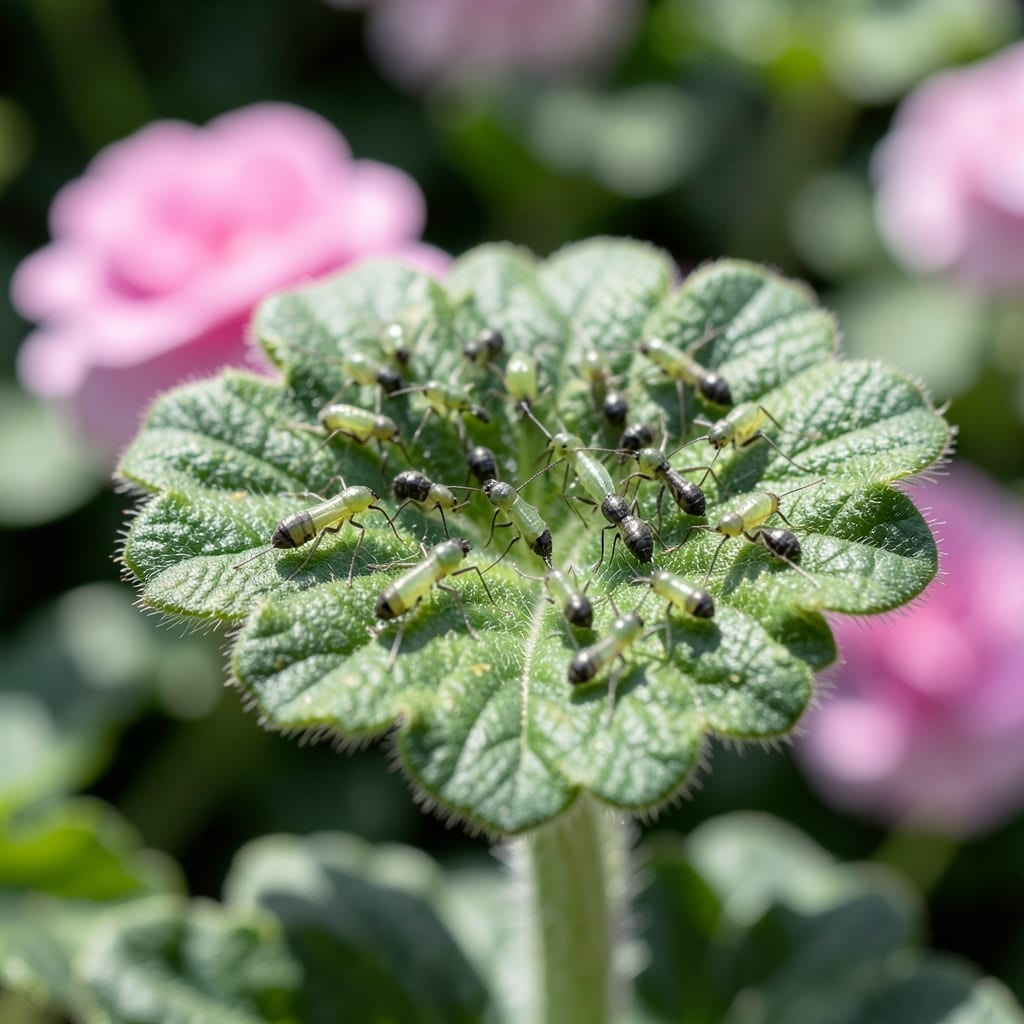
Tiny green invaders on your geraniums steal their vigor before you even notice. I spotted my first aphid colony last summer—sticky leaves and curled blooms were the giveaway.
These pests multiply fast, but they’re weak against nature’s own defenses. A strong blast from the hose knocks them off, while ladybugs and lacewings consider them a free buffet.
For stubborn cases, a soapy water spray does the trick without harsh chemicals. The key is catching them early before they spread to every plant in your garden.
Prevention starts with healthy plants and regular inspections. Your geraniums will thank you with bigger, brighter blooms all season long.
Aphids thrive on geraniums due to a mix of environmental, biological, and cultural factors. Understanding these triggers helps prevent and manage outbreaks effectively.
Excess nitrogen in soil promotes soft, succulent growth—aphids’ favorite food. Geraniums fertilized heavily with high-nitrogen formulas (e.g., 10-5-5) produce tender new shoots that lack natural defenses. Action: Switch to a balanced, slow-release fertilizer (e.g., 5-5-5) and avoid overfeeding during active growth periods.
Both overwatering and drought stress weaken geraniums, making them vulnerable. Soggy soil reduces root oxygen, while parched plants produce stress compounds that attract aphids. Action: Water at the base only when the top inch of soil is dry, and ensure pots have drainage holes.
Aphids multiply rapidly when beneficial insects (ladybugs, lacewings, parasitic wasps) are absent. Monoculture gardens or excessive pesticide use can wipe out these predators. Action: Plant companion flowers like marigolds or alyssum to attract aphid-eating allies, and avoid broad-spectrum insecticides.
Aphids reproduce fastest in temperatures between 65–80°F (18–27°C) with high humidity. Geraniums in crowded, poorly ventilated spaces (e.g., greenhouses or dense beds) create ideal breeding grounds. Action: Space plants 12–18 inches apart for airflow, and use a fan in indoor setups to disrupt aphid movement.
Tackling aphids on your geraniums is simpler than you think! Below are targeted solutions for common causes, along with prevention tips to keep your plants thriving.
If aphids are thriving due to dense foliage, trim back excess growth to improve airflow. Space geraniums at least 12 inches apart to reduce hiding spots for pests. Prevention tip: 💡 Regularly thin out crowded areas to discourage future infestations.
Aphids love damp conditions. Water geraniums at the base (not overhead) and only when the top inch of soil feels dry. Use a moisture meter if unsure. Prevention tip: ✨ Water early in the day so foliage dries quickly in the sun.
Stressed geraniums attract pests. Fertilize lightly with a balanced organic feed (e.g., fish emulsion) every 4–6 weeks. Remove dead leaves promptly. Prevention tip: 🎯 Rotate pots for even sunlight exposure to strengthen plants.
For active infestations, spray plants with a soapy water mix (1 tsp mild soap per quart of water) or introduce ladybugs, natural aphid predators. Repeat treatments every 3–5 days until pests are gone. Prevention tip: 🌡️ Inspect new plants before bringing them near your geraniums.
Consistency is key—combine these fixes with regular checks to enjoy aphid-free, vibrant blooms!
Inspect your geraniums every 3-5 days during warm weather. Look under leaves and near new growth where aphids hide. Early detection makes treatment much easier.
No, if mixed correctly. Use 1 tsp mild soap per quart of water and spray in the evening. Avoid harsh detergents. Test on one leaf first to check for sensitivity.
Yes! Mix 1 tbsp neem oil with 1 gallon water and spray weekly. It deters aphids and other pests while being gentle on plants. Always apply in the evening.
They may be hitching rides on new plants or nearby weeds. Isolate new additions for 1 week and remove any aphid-attracting plants from your garden area.