
Beautiful Plants For Your Interior
Beautiful Plants For Your Interior
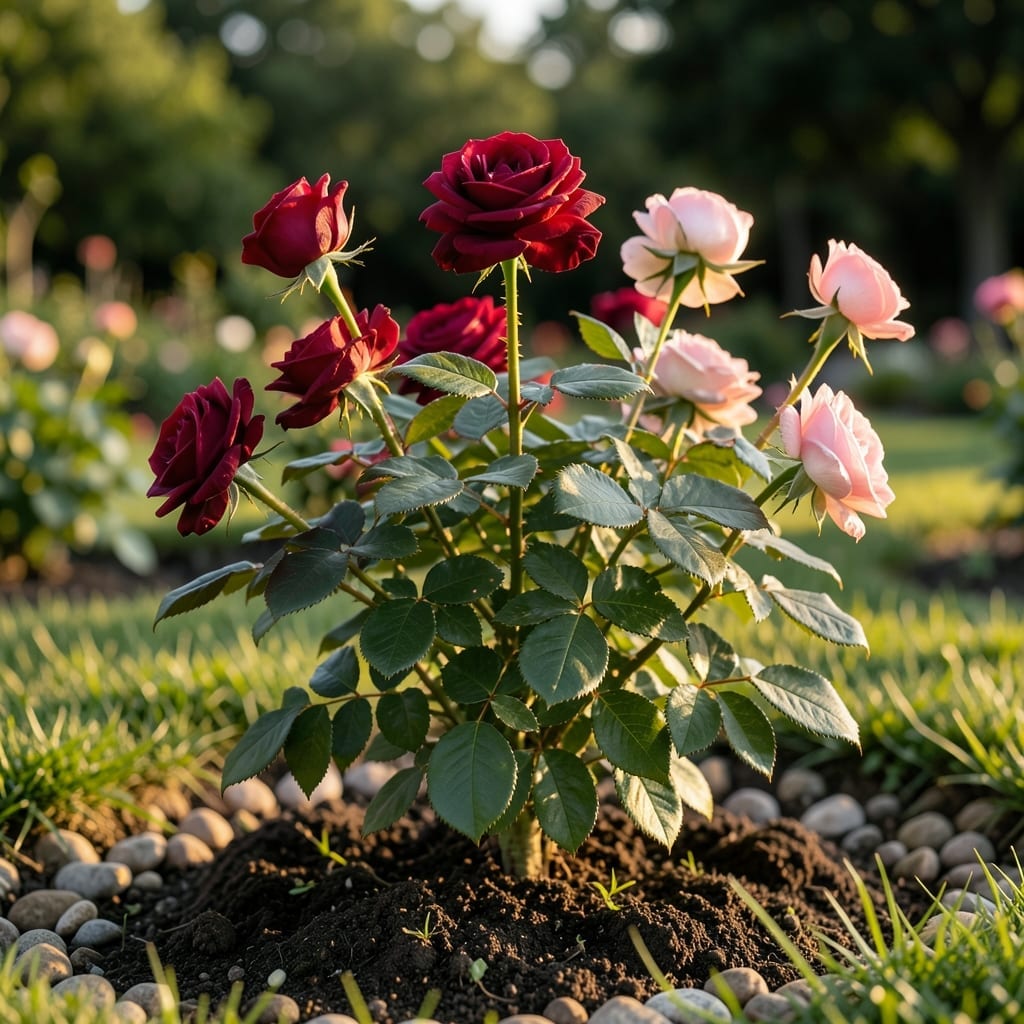
Roses are the crown jewels of any garden, but their stunning blooms depend heavily on one crucial factor: sunlight. Getting the exposure right can mean the difference between lackluster growth and vibrant, healthy 🌹 Roses.
I’ve seen firsthand how the right amount of light transforms these plants. Whether you’re growing hybrid teas or climbers, understanding their needs is the key to success.
Discover how to provide the ideal conditions for your roses to thrive. Let me walk you through what works and why it matters so much for your garden’s showstoppers.

If you want your roses to produce those gorgeous blooms we all love, sunlight is non-negotiable. Most varieties thrive with 6-8 hours of direct sun daily, though some can manage with slightly less.
In my experience, hybrid teas and grandifloras demand the most light, while old garden roses and some shrubs can tolerate partial shade. The key is understanding your specific variety’s needs.
| Rose Type | Daily Sun Needs | Ideal Conditions |
| Hybrid Teas | 6-8 hours | Full sun, well-draining soil |
| Climbing Roses | 6-8 hours | Morning sun, afternoon shade in hot climates |
| Shrub Roses | 4-6 hours | Tolerates partial shade |
| Old Garden Roses | 4-6 hours | Adaptable to various light conditions |
| Miniature Roses | 6+ hours | Full sun for best blooming |
I’ve found that morning sunlight is particularly beneficial for roses. It helps dry the foliage quickly, reducing the risk of fungal diseases like black spot and powdery mildew.
In hotter climates, some afternoon shade can actually help prevent heat stress and sunburn on petals. But in cooler regions, maximum sun exposure is almost always better for vibrant blooms.
Remember that light intensity matters too. A spot that gets dappled sunlight through trees won’t provide the same energy as full direct sun. If possible, choose a south-facing location for your rose beds.
For container-grown roses, I recommend placing them where they can get full sun for most of the day. You can always move pots to follow the sun if needed, which gives you more flexibility than in-ground planting.
If your garden has limited sunny spots, consider rose varieties specifically bred for shade tolerance. Some excellent options include ‘Zephirine Drouhin’ climbing rose or ‘The Fairy’ polyantha rose.
Watch for signs your roses aren’t getting enough light. Leggy growth, fewer blooms, and pale foliage are all red flags that your plants need more sunlight to truly thrive.
In my own garden, I’ve seen dramatic improvements by simply moving a struggling rose bush from a shady corner to a sunnier spot. The difference in bloom quantity and color intensity was remarkable within just one growing season. ☀️
While roses love the sun, some varieties can handle partial shade better than others. I’ve successfully grown beautiful blooms in less-than-ideal light conditions by choosing the right types.
Shade-tolerant roses like ‘Zephirine Drouhin’ or ‘The Fairy’ can thrive with just 4-6 hours of sunlight, though they may produce fewer blooms than in full sun.
In my garden, I’ve found that eastern exposure works well for shade-tolerant roses. They get gentle morning sun and afternoon shade, which prevents petal scorch in hot weather.
For best results with partial shade, I recommend increasing watering frequency slightly. The soil tends to stay moist longer in shady spots, but roses still need consistent moisture for optimal blooming.
If you’re growing roses in containers, you can move them to follow the sun. I often shift my potted roses to sunnier spots during the blooming season to maximize flower production.
Remember that even shade-tolerant varieties need some direct sunlight. Without it, you’ll likely see weaker stems and paler blooms. In my experience, the morning sun is most beneficial for these plants.
With the right care and variety selection, you can enjoy beautiful roses even in partially shaded areas of your garden. 🌿