
Beautiful Plants For Your Interior
Beautiful Plants For Your Interior
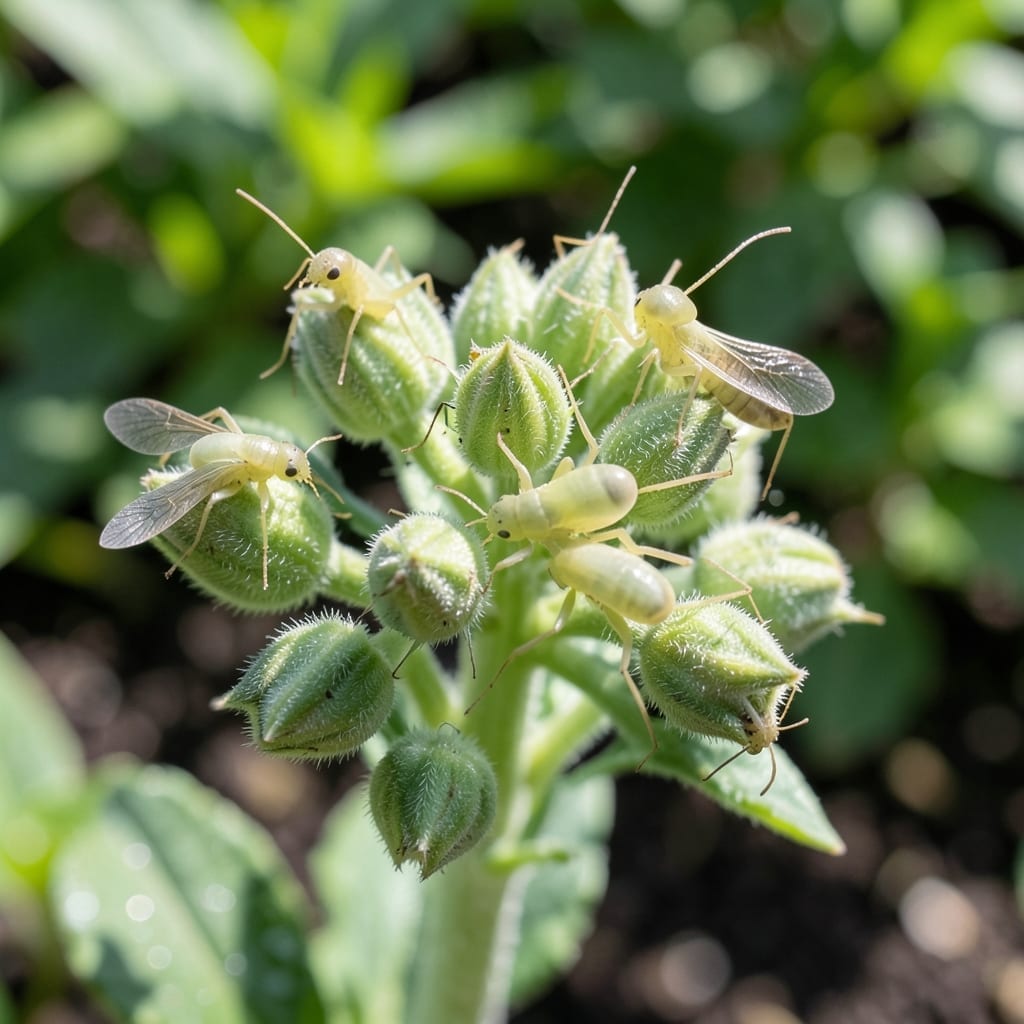
Spotted tiny green bugs on your plant buds? That’s the first sign of trouble. 🌱 I’ve lost count of how many blooms I’ve saved by catching aphids early—these pests multiply faster than you’d think, turning promising buds into distorted, sticky messes.
Here’s the thing—aphids target new growth, especially buds, because the tissue is soft and packed with sap. Left unchecked, they’ll stunt your plants and spread to neighbors. The good news? A foolproof mix of inspection and action stops them in their tracks.
You’ll see results within 24-48 hours of treatment, with buds recovering and opening normally. Natural solutions like soap sprays or ladybugs work just as well as chemicals, without the worry.
Works for roses, vegetables, or any flowering plant. Early detection is your best defense.
Aphids flock to buds for a few key reasons, often tied to plant health and environmental conditions. Understanding these triggers helps you prevent and address the issue effectively.
Excess nitrogen in soil promotes lush, soft growth—ideal for aphids. These pests thrive on tender new shoots and buds, which are easier to pierce and feed on. Action: Balance fertilizers with potassium and phosphorus to strengthen plant tissues.
Overwatered plants develop weak cell walls, making them vulnerable to aphid attacks. Soggy roots also reduce a plant’s ability to produce natural defenses. Action: Water only when the top inch of soil is dry, and ensure proper drainage.
Aphids reproduce rapidly in warm, dry conditions, especially in spring and early summer. Buds offer shelter and a food source for multiplying colonies. Action: Monitor plants closely during these periods and use reflective mulches to deter pests.
Without ladybugs, lacewings, or parasitic wasps, aphid populations explode. Pesticides can kill these beneficial insects, leaving buds unprotected. Action: Avoid broad-spectrum pesticides and introduce natural predators to restore balance.
Tackling aphids on buds starts with quick, targeted action. Below are practical fixes for common causes, along with prevention tips to keep your plants thriving. 🌿
If aphids have just appeared, a forceful spray of water can dislodge them. Use a hose or spray bottle to target the buds directly, focusing on the undersides where aphids hide. Repeat daily until they’re gone. Prevention tip: Regularly inspect your plants for early signs of infestation.
Introduce beneficial insects like ladybugs, lacewings, or parasitic wasps to your garden. These predators feed on aphids and can restore balance naturally. Purchase them from garden centers or attract them with native plants. Prevention tip: Avoid pesticides that harm these helpful allies.
Mix 1 tablespoon of mild liquid soap with 1 quart of water and spray it directly onto the buds. The soap disrupts aphids’ cell membranes, killing them on contact. Reapply every few days as needed. Prevention tip: Test the spray on a small area first to avoid damaging sensitive plants.
Neem oil is a natural insecticide that disrupts aphids’ life cycles. Mix 1 teaspoon of neem oil with 1 quart of water and a few drops of dish soap, then spray it onto the buds. Apply in the evening to avoid harming pollinators. Prevention tip: Use neem oil preventatively every 2-3 weeks during growing season.
If aphids have heavily infested certain buds, prune them off and dispose of them in sealed bags to prevent spreading. Sterilize your pruning tools afterward to avoid contamination. Prevention tip: Keep your garden clean by removing plant debris where aphids can overwinter.
Pro tip: 💡 Combine methods for best results—start with the least invasive (water blast) and escalate if needed. Consistency is key!
Look for clusters of tiny green, black, or white insects on new growth. You might also notice sticky residue (honeydew) or curled, distorted buds.
Not immediately, but they can weaken plants by sucking out sap. Severe infestations may cause buds to drop or fail to open. Treat quickly to prevent damage.
Yes! Mix 1 tablespoon of mild dish soap with 1 quart of water and spray directly on buds. Reapply every 2-3 days until gone.
Soft new growth, excess nitrogen, and warm weather draw them in. Overwatering and lack of predators also make plants more vulnerable.