
Beautiful Plants For Your Interior
Beautiful Plants For Your Interior
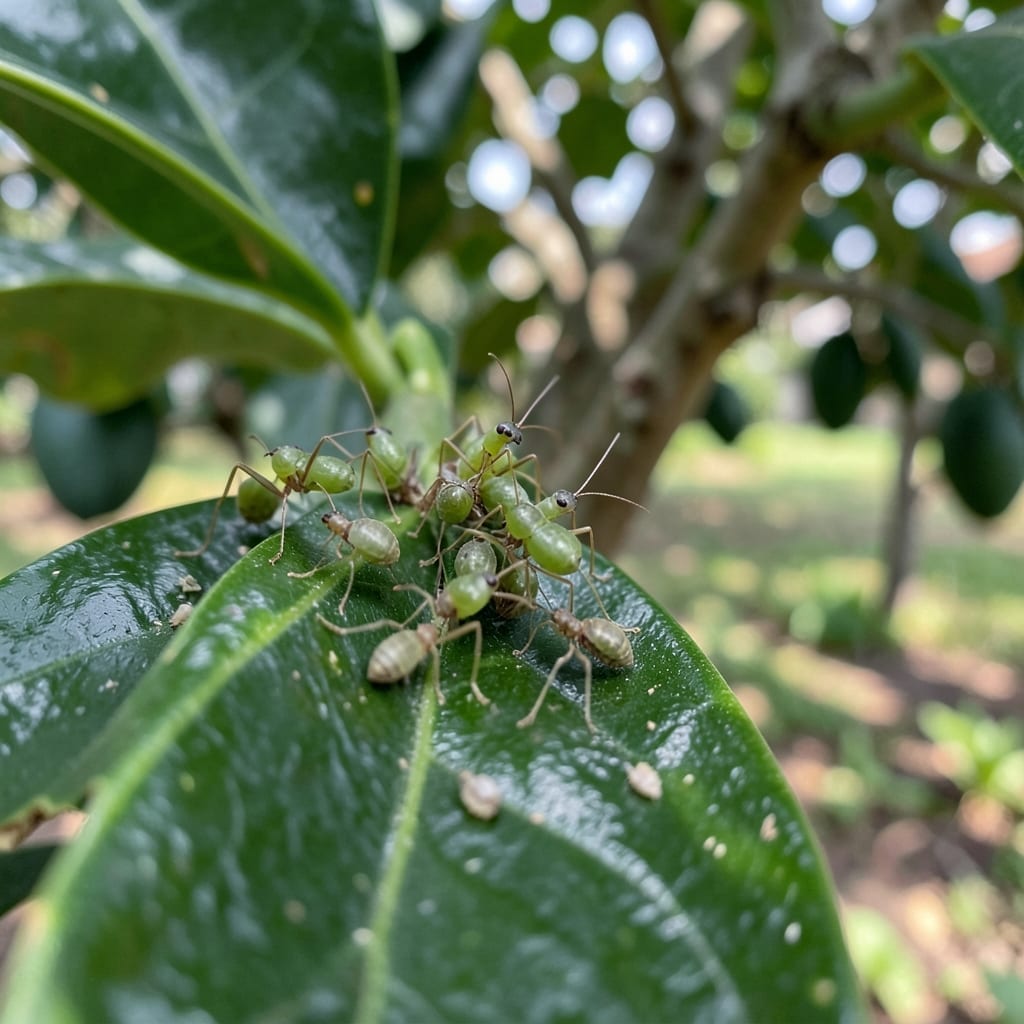
Tiny green invaders on your avocado leaves mean trouble. I spotted my first aphid cluster last spring and panicked—until I found a simple spray that cleared them in 48 hours without chemicals.
These pests multiply fast, curling leaves and stunting growth. The solution isn’t complicated: a mix of soapy water or neem oil does the trick. Regular checks catch them early before they spread to every branch.
Your tree recovers quickly with the right approach. I’ve tested both methods, and the difference is night and day—healthy leaves return, and new growth comes in strong.
Works for any avocado tree, indoors or out. Here’s how to stop them for good.
Aphids thrive on avocado trees due to a combination of environmental, biological, and cultural factors. Understanding these root causes helps you prevent and address outbreaks more effectively. Below are the primary reasons why your avocado tree may be attracting these pests.
Aphids are drawn to new, tender growth, which is often the result of excessive nitrogen fertilization. Avocado trees fed with high-nitrogen fertilizers produce an abundance of soft, succulent leaves—aphids’ favorite food. This rapid growth creates an ideal feeding ground, encouraging populations to explode. Actionable tip: Balance your fertilizer with phosphorus and potassium, and avoid over-application during active growing seasons.
Both drought and waterlogged soil stress avocado trees, weakening their natural defenses. Stressed trees produce higher levels of amino acids in their sap, which aphids detect and flock to. Additionally, poor drainage can lead to root rot, further compromising the tree’s health. Actionable tip: Ensure consistent, deep watering (but avoid soggy soil) and improve drainage with organic mulch or raised beds.
In a balanced ecosystem, beneficial insects like ladybugs, lacewings, and parasitic wasps keep aphid populations in check. However, the use of broad-spectrum pesticides or a lack of biodiversity in your garden can eliminate these predators, allowing aphids to multiply unchecked. Actionable tip: Plant companion flowers (e.g., alyssum, dill, or yarrow) to attract predatory insects and avoid chemical sprays that harm them.
Aphids reproduce rapidly in warm, dry weather—conditions that avocado trees also love. These pests thrive in temperatures between 60°F and 80°F (15°C–27°C), and their populations can double in just a few days under ideal conditions. Actionable tip: Use shade cloth during heatwaves and maintain humidity around the tree with regular misting or drip irrigation to deter aphid settlements.
Tackling aphids on your avocado tree starts with identifying the cause and applying the right fix. Here’s a practical guide to solving the issue and keeping your tree healthy.
If your avocado tree is stressed due to poor soil or lack of nutrients, aphids are more likely to appear. Fix it by fertilizing with a balanced organic fertilizer (like 10-10-10) and ensuring proper watering—deep and infrequent is best. Mulch around the base to retain moisture and improve soil health.
Prevention tip: 💡 Test your soil annually and amend it with compost to keep your tree resilient.
For active aphid outbreaks, use eco-friendly sprays. A neem oil solution (1 tbsp neem oil + 1 tsp dish soap + 1 quart water) disrupts their life cycle. Alternatively, spray a soap-water mix (1 tbsp mild liquid soap + 1 quart water) directly on aphids to suffocate them. Apply in the early morning or late evening for best results.
Prevention tip: 🌡️ Inspect leaves weekly and blast aphids off with a strong water spray before they multiply.
Aphids thrive when natural predators like ladybugs or lacewings are absent. Encourage them by planting companion flowers (e.g., marigolds, yarrow) near your avocado tree. Avoid broad-spectrum pesticides, which kill helpful insects too.
Prevention tip: ✨ Purchase ladybugs from garden centers and release them at dusk for higher retention.
Aphids love dense, shaded areas. Thin out branches to improve airflow and sunlight penetration, making the environment less aphid-friendly. Sterilize pruning tools with rubbing alcohol to avoid spreading pests.
Prevention tip: 🎯 Prune during the tree’s dormant season to minimize stress and new growth aphids target.
Inspect your tree weekly during growing season. Focus on new leaves and undersides where aphids hide. Catching them early prevents major outbreaks.
No, a mild soap solution (1 tbsp per quart) is safe for avocados. Use natural, fragrance-free soap and rinse leaves after 2-3 hours to avoid residue.
Apply treatments in early morning or evening. This avoids harming bees and prevents rapid evaporation in heat. Neem oil works best in cooler temps.
Avoid broad-spectrum chemicals—they kill beneficial insects too. If needed, opt for horticultural oil or insecticidal soap labeled for edible plants.