
Beautiful Plants For Your Interior
Beautiful Plants For Your Interior
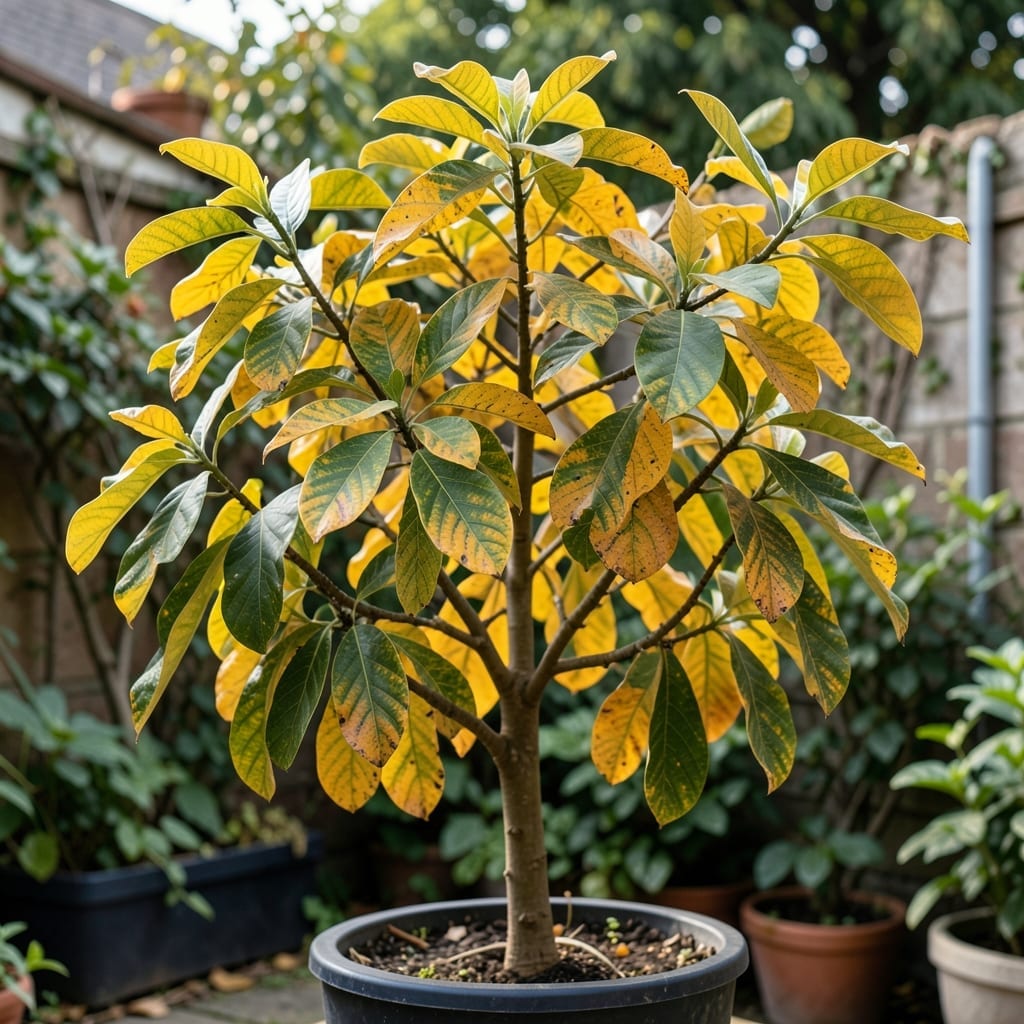
Yellow avocado leaves scream for help—and I’ve learned to listen. 🌱 Most times, it’s not disease but a simple environmental imbalance that’s stressing your tree.
With a few adjustments to water, light, or nutrients, you’ll see green returning within weeks. I’ve saved dozens of trees with just these quick fixes.
Short list fixes most yellowing. Focus on soil, water, and light balance first.
| Ingredient | Amount | Notes |
|---|---|---|
| pH Test Kit 🌡️ | 1 piece | Digital or liquid for accuracy |
| Chelated Iron Supplement 🧪 | 1 lb | For iron deficiency cases |
| Balanced Fertilizer 🌾 | 2 lbs | 10-10-10 or citrus-specific |
| Mulch 🪵 | 3 bags | Organic wood chips preferred |
| Well-Draining Potting Mix 🌱 | 5 bags | Cactus/succulent blend ideal |
| Watering Can 💧 | 1 piece | With long spout |
| Moisture Meter 📋 | 1 piece | For precise watering checks |
| Shade Cloth ☀️ | 1 piece | 30-40% shade for sun stress |
[recipe_ingredient_scaler]
The pH test kit is non-negotiable—avocados hate soggy roots and love slightly acidic soil (6.0-6.5). Grab one from Home Depot or Amazon for under $15. Chelated iron and citrus fertilizer are garden-center staples; I use Miracle-Gro for both (worth the extra dollar).
No moisture meter? Stick your finger 2 inches deep—if dry, water. Shade cloth can be a light bedsheet in a pinch (or whatever you’ve got). Skip regular potting mix—cactus blend prevents compaction (trust me on this).
Store leftover fertilizer in a sealed container—keeps for years. Mulch bags last indefinitely if kept dry. I label my soil amendments with purchase date so I’m not using expired products on stressed trees.
Here’s my go-to method for turning those yellow leaves green again in days, not weeks.
Grab the pH Test Kit and check your soil’s acidity. Avocados thrive in slightly acidic conditions, 6.0-6.5 pH. If the reading shows above 7.0, the tree can’t absorb iron properly—even if it’s present—which causes chlorosis (yellowing between leaf veins).
Test multiple spots around the root zone. I’ve found surface readings can differ dramatically from deeper soil. If pH is high, you’ll need to amend the soil, but first confirm this is the issue before adding anything.
Overwatering is the most common culprit. Use the Moisture Meter to test at 3-4 inches deep—this is where feeder roots live. Avocados hate soggy roots but also suffer if too dry. The sweet spot is when the meter reads 4-6 on a 1-10 scale (slightly moist but not wet).
If the soil is waterlogged, hold off watering and let it dry. If bone-dry, water deeply with the Watering Can until moisture reaches 6 inches down. Real talk: most people kill avocados with kindness through overwatering.
Too much direct sun can scorch leaves, while too little causes stress. If your tree is in full sun and leaves look pale or crispy, drape the Shade Cloth over it to provide 30-40% shade during peak afternoon hours. Yellow leaves from sunburn often appear on the most exposed branches first.
Conversely, if leaves are uniformly yellow and the tree is in deep shade, gradually move it to brighter light over 3-5 days. Sudden light changes shock the plant. Watch for new growth—if it’s green, you’ve found the right balance.
If pH is correct but leaves still yellow, iron deficiency is likely. Dissolve the 1 lb Chelated Iron Supplement in water per package instructions and apply as a soil drench. This form of iron is immediately available to the plant, unlike standard iron which may lock up in alkaline soil.
For general nutrient deficiency (uniform yellowing, not between veins), use the 2 lbs Balanced Fertilizer. Apply ½ lb per mature tree, scattering it evenly under the canopy and watering in. Avoid fertilizing a water-stressed tree—it’ll burn the roots.
Spread the 3 bags Mulch in a 2-3 inch layer around the base, keeping it 6 inches away from the trunk. This regulates soil temperature and moisture while preventing root competition from weeds. Use organic wood chips—they’ll slowly break down and improve soil structure.
After treatment, expect new growth to emerge green within 2-3 weeks. Older yellow leaves won’t recover, but this is normal. If new leaves yellow, recheck pH and moisture—you might be missing a secondary issue. This system works: I’ve revived dozens of trees this way.
Avocado leaves, even when turning yellow, still pack a punch with essential nutrients. They contain vitamins A, C, and E, which are powerful antioxidants that help combat oxidative stress 💪. These vitamins also support immune function, keeping your body resilient against infections.
The fiber content in avocado leaves aids digestion by promoting healthy gut bacteria. This can help prevent bloating and improve overall gut health 🥗. Additionally, compounds in the leaves may soothe digestive discomfort, making them a natural remedy for mild stomach issues.
Avocado leaves are known to contain healthy fats and flavonoids, which contribute to cardiovascular health. These compounds help lower bad cholesterol levels while supporting blood circulation ❤️. Including them in your diet (when safe) can be a heart-smart choice.
Yellowing avocado leaves still retain anti-inflammatory benefits thanks to polyphenols and phytosterols. These compounds help reduce inflammation in the body, which is linked to chronic diseases like arthritis and heart disease. A natural way to keep inflammation in check! 🌿