
Beautiful Plants For Your Interior
Beautiful Plants For Your Interior
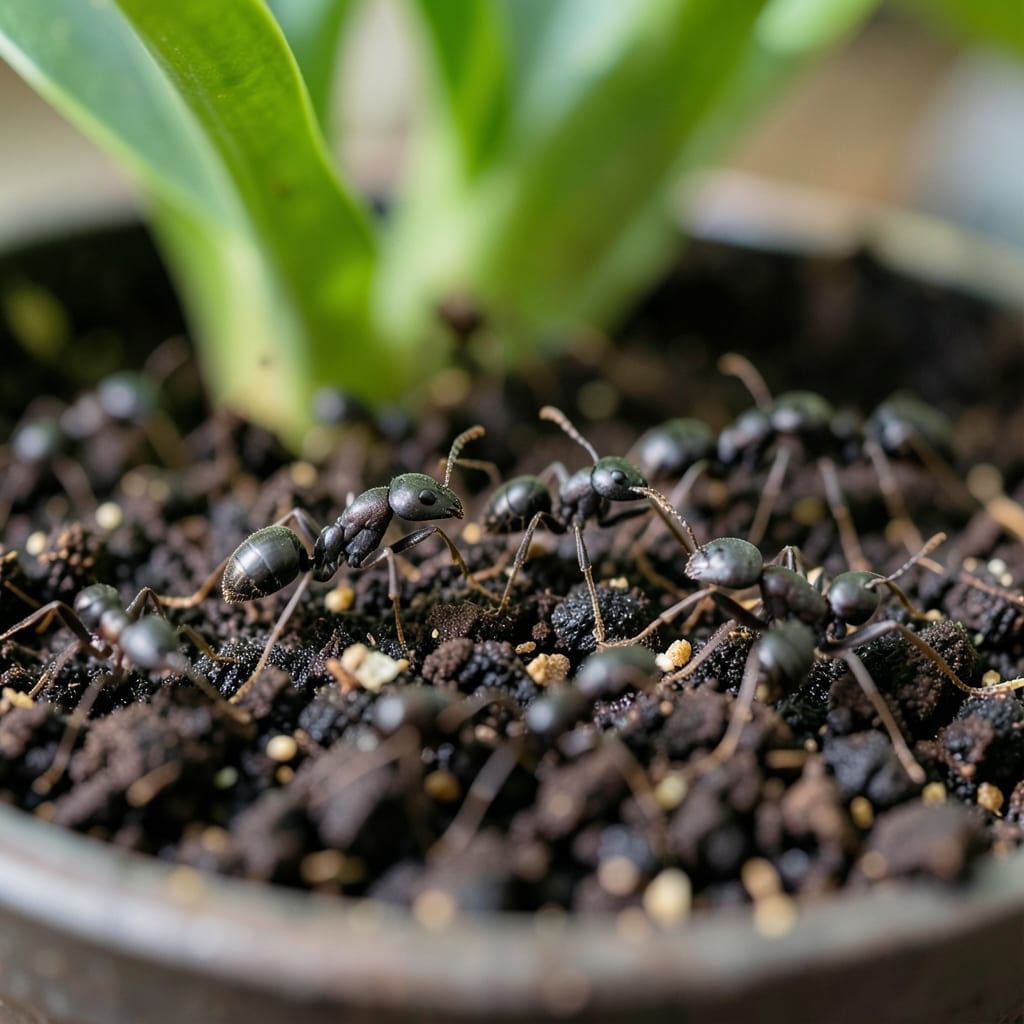
Tiny black dots moving in your plant soil? I spotted them in my herb pots last spring and panicked—until I found simple, natural solutions that work fast.
These uninvited guests usually show up for food scraps, moisture, or shelter. The good news? They rarely harm plants directly, but their tunnels can disturb roots. My go-to fix involves items already in your kitchen.
Within 24-48 hours, you’ll see them disappearing without harsh chemicals. The key is disrupting their trail and making the soil less appealing. Plants recover quickly once the ants are gone.
Works for indoor and outdoor containers, and prevents future invasions. Here’s exactly how to evict them for good.
Ants are drawn to plant soil for several specific reasons, often tied to their survival instincts. Understanding these causes can help you address the issue effectively.
Ants are scavengers by nature, and potted plants provide an abundant buffet. Decaying leaves, uneaten pet food, or spilled sugars attract them as a reliable food source. Even the natural decomposition of organic matter in soil releases scents that ants detect from afar, luring them into your plant’s home.
Overwatered soil creates damp conditions that ants adore. These insects need water to survive, and consistently moist soil—especially in indoor plants—offers a perfect hydration station. Poor drainage or saucers filled with standing water exacerbate the problem, turning your plant pot into an ant oasis.
Loose, aerated soil mimics the natural environments where ants build colonies. If your plant’s soil is soft and undisturbed, it becomes an inviting site for ants to establish nests. Outdoor pots or garden beds are especially vulnerable, as ants can easily tunnel into the soil for protection from predators and harsh weather.
Ants have a symbiotic relationship with aphids, tiny pests that secrete a sugary substance called honeydew. If your plant hosts aphids, ants will flock to it to “farm” this sweet resource. This mutualistic bond means eliminating aphids is often a critical step in deterring ants from your plant soil.
Dealing with ants in your plant soil? Here’s how to tackle the issue head-on with practical solutions tailored to each cause.
If soggy soil is attracting ants, start by letting the soil dry out between waterings. Repot your plant in a container with drainage holes and use a well-draining potting mix. Add perlite or coarse sand to enhance aeration and prevent waterlogging. Prevention tip: Stick to a watering schedule and always check the top inch of soil for dryness before watering again. 💡
Ants love decaying leaves and uneaten food. Clear away fallen leaves, fruit, or dead plant matter from the soil surface and surrounding areas. Regularly clean the saucer under your plant pot to remove any residue. Prevention tip: Keep your plant area tidy and avoid leaving organic scraps near your greenery. ✨
If ants are drawn to sticky substances like honeydew from pests, wipe down leaves and stems with a damp cloth and mild soap. For stubborn residues, use a mix of water and neem oil. Prevention tip: Inspect plants regularly for pests like aphids and treat infestations promptly. 🎯
If ants have built nests in the soil, gently repot the plant, shaking off the old soil and inspecting the roots. Replace with fresh, sterile potting mix. For outdoor plants, pour boiling water into visible ant mounds to disrupt their colony. Prevention tip: Use ant-proof pots with a layer of diatomaceous earth on the soil surface. 🔥
Apply natural barriers like cinnamon, crushed chalk, or coffee grounds around the pot’s base. These scents deter ants without harming your plants. For a stronger solution, use a vinegar-water spray (1:1 ratio) around the pot’s edges. Prevention tip: Reapply barriers after watering or rain. 🌡️
Yes, repotting with fresh, sterile soil can eliminate existing ants. Remove all old soil, inspect roots, and use a clean pot to prevent reinfestation.
Create barriers with cinnamon, chalk, or diatomaceous earth around the pot. Reapply after watering for lasting protection.
A 1:1 vinegar-water spray disrupts scent trails and deters ants. Avoid spraying directly on plants, as vinegar can harm foliage.
Ants target plants with excess moisture, food scraps, or aphids. Check for overwatering, decaying matter, or pests in that specific pot.