
Beautiful Plants For Your Interior
Beautiful Plants For Your Interior
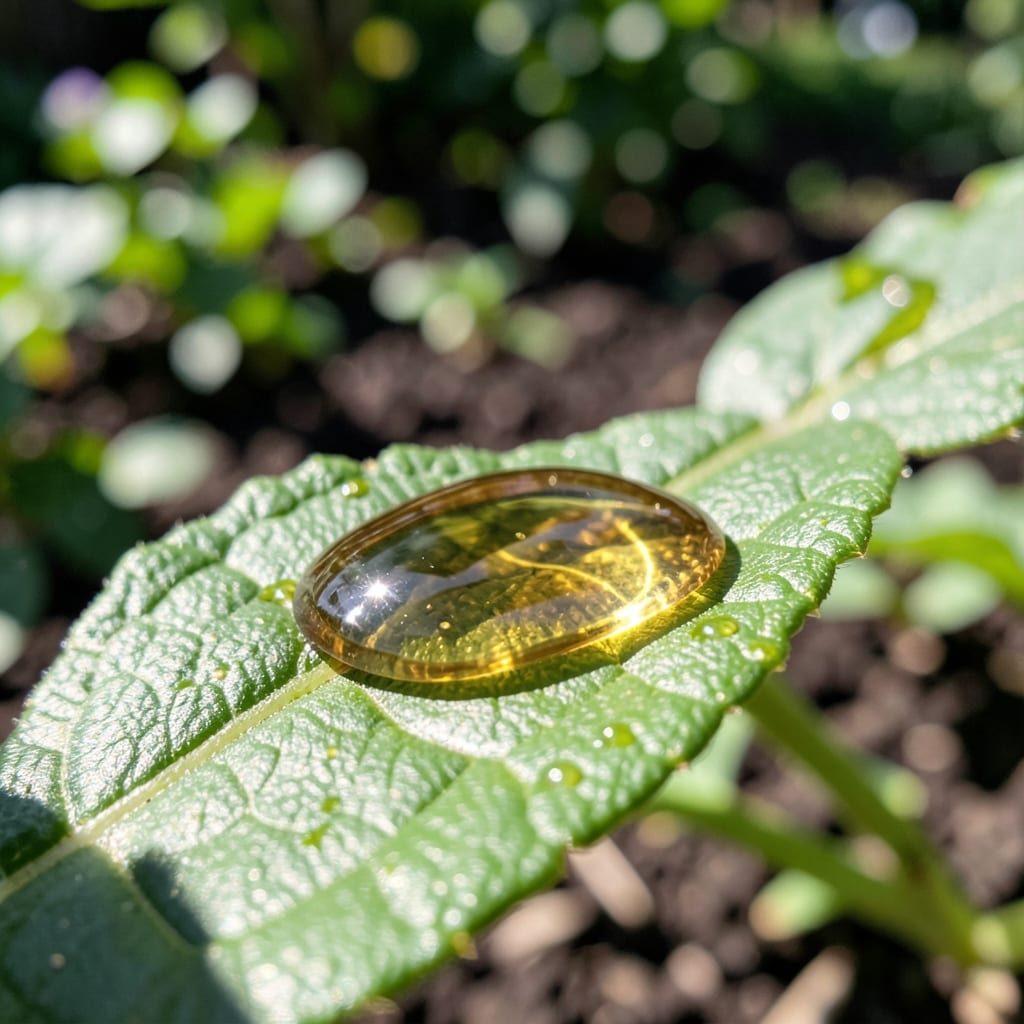
Tea tree oil effectively repels ants due to its strong scent and natural insecticidal properties. Mix 10-15 drops with water and spray along entry points for a safe, chemical-free barrier.
I’ve found the active compound terpinen-4-ol in tea tree oil disrupts ants’ pheromone trails, confusing their navigation. This natural solution works best when reapplied every 2-3 days or after cleaning. Unlike commercial repellents, it leaves no harmful residue, making it ideal for homes with kids or pets. ✨
💡 In This Article
The secret lies in tea tree oil’s terpinen-4-ol, a compound making up 30-40% of its composition. This active ingredient disrupts the chemical signals ants use to communicate, particularly their pheromone trails that guide others to food sources. When exposed, ants lose their ability to coordinate movements or find their way back to the nest. 🔥
Ants rely heavily on their antennae to detect scents and navigate. Tea tree oil’s strong aroma overloads their sensory receptors, creating an invisible barrier they instinctively avoid. Studies show this effect lasts 24-48 hours before needing reapplication, especially in high-traffic areas. The oil’s volatility means it evaporates quickly, requiring frequent refreshing for maximum effectiveness. ✨
What makes this method particularly effective is how it targets multiple ant behaviors simultaneously. The oil not only masks existing scent trails but also prevents new ones from forming. In my experience, treating entry points like windowsills and door frames creates a protective perimeter that forces ants to seek alternative routes.
This is especially useful for sugar ants and pavement ants, which are highly dependent on scent-based navigation. 💫
Unlike synthetic repellents that use harsh chemicals, tea tree oil works through natural mechanisms that don’t harm the environment. The oil’s hydrophobic nature means it doesn’t dissolve in water, allowing it to cling to surfaces longer.
However, its effectiveness can diminish in direct sunlight or high temperatures, as the volatile compounds break down faster under these conditions. ⚡
For best results, I’ve found combining tea tree oil with other essential oils like peppermint or citrus can enhance its repellent properties. These complementary scents create a more complex aroma profile that ants find even more confusing and off-putting, while remaining safe for indoor use around children and pets. 🌟
Reapply every 2-3 days for best results, or after cleaning surfaces. The oil’s volatile compounds evaporate quickly, especially in sunny or warm areas.
Yes, but with caution. Tea tree oil is safe for dogs and cats in small amounts, but avoid direct contact. Never spray near their food, bedding, or where they groom themselves.
Dish soap helps the oil disperse evenly in water and cling to surfaces longer. Use 1 teaspoon per 1 cup of water for better coverage and effectiveness.
It’s most effective on sugar ants and pavement ants, which rely heavily on scent trails. Larger species like carpenter ants may require stronger concentrations or repeated applications.
Yes, but avoid spraying directly on plants. Use a stronger mix of 30 drops per 1 cup of water for outdoor areas. Reapply after rain for continued protection.