
Beautiful Plants For Your Interior
Beautiful Plants For Your Interior
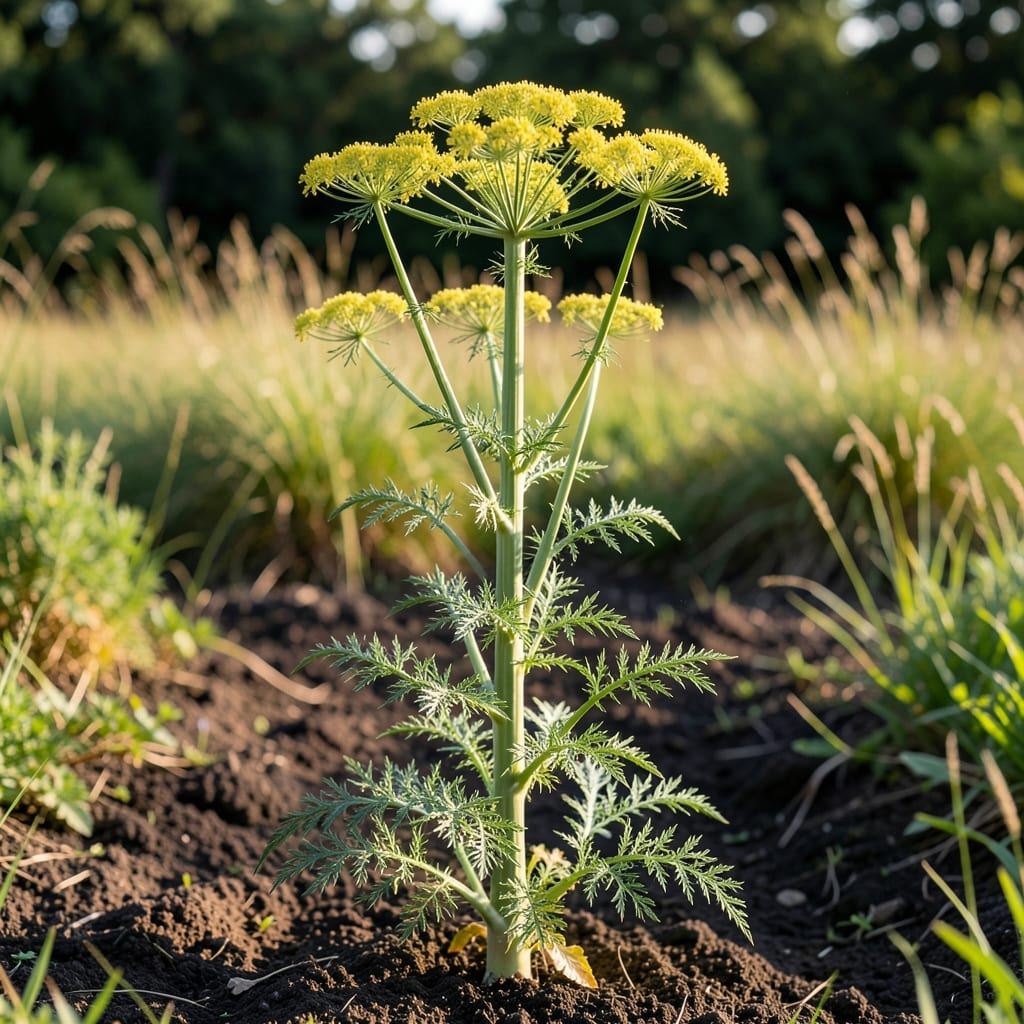
Anise swallowtail caterpillars thrive on plants in the Apiaceae family, especially fennel, dill, parsley, and anise. These host plants provide essential nutrients for their growth and development.
I’ve found these butterflies have a fascinating dependency on specific plant chemistry. 💫 Their caterpillars can’t survive on just any leaf—they need the unique compounds found in Apiaceae species to develop properly. This relationship is so strong that female butterflies will only lay eggs on these particular plants, ensuring their offspring have the right food source from day one.
💡 In This Article
The relationship starts with chemistry. Apiaceae plants contain unique secondary compounds like furanocoumarins that anise swallowtail caterpillars have evolved to process. These compounds act as natural pesticides for the plants, but caterpillars have developed specialized enzymes to detoxify them, turning a defense mechanism into a nutritional advantage. 🔥
Female butterflies use their antennae to detect these specific compounds before laying eggs. Studies show they can distinguish Apiaceae plants from others with 98% accuracy, even among visually similar species. This ensures their offspring have immediate access to the exact nutrients needed for their 5-stage larva development, which lasts about 3-4 weeks. ✨
Without these host plants, caterpillars starve or develop abnormally. The furanocoumarins also get incorporated into the caterpillars’ bodies, making them toxic to predators—a clever evolutionary adaptation. This chemical relationship is so precise that even closely related plants outside Apiaceae won’t support their growth. 💫
What’s fascinating is how this specialization affects the entire life cycle. The compounds in fennel or dill don’t just feed the caterpillars—they influence the butterflies’ eventual size, coloration, and even their ability to find mates. Research shows caterpillars raised on anise produce adults with 15-20% larger wingspans than those raised on other Apiaceae species. 🌟
This dependency also explains their limited geographic range. Anise swallowtails only inhabit areas where their host plants naturally grow or are cultivated. In California, for example, their population closely mirrors the distribution of wild fennel along the coast. 💛
Besides fennel and dill, parsley, anise, and Queen Anne’s lace are excellent choices. These all belong to the Apiaceae family and contain the necessary compounds for caterpillar development.
Their caterpillars have evolved to process specific chemicals like furanocoumarins found only in this plant family. Without these, they can’t properly digest food or develop into healthy adults.
Yes! Dwarf fennel and parsley do well in large pots with 12+ inch depth. Ensure good drainage and full sun exposure for best results.
It varies, but you may see eggs within 1-2 weeks if adults are nearby. The eggs hatch in 3-5 days, with caterpillars visible shortly after.