
Beautiful Plants For Your Interior
Beautiful Plants For Your Interior
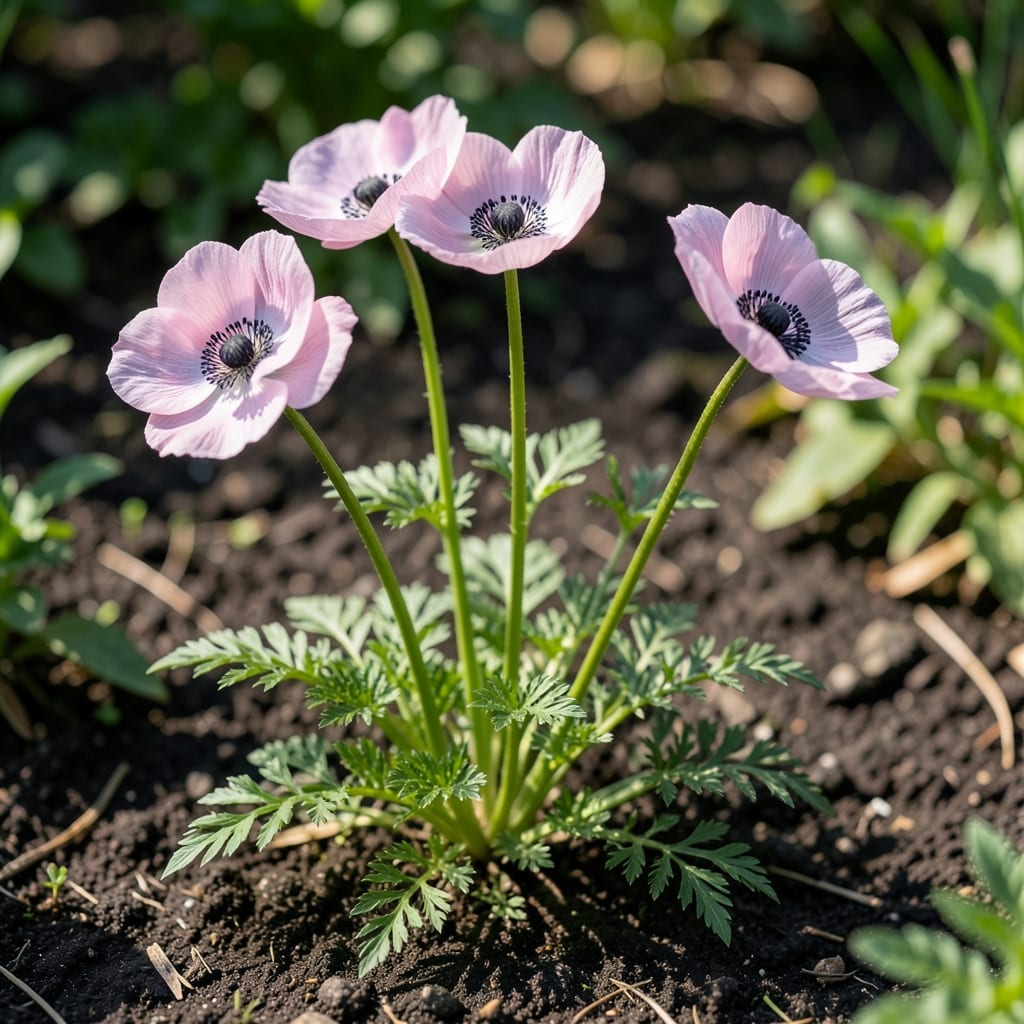
Anemone hardiness varies by species, with most thriving in USDA zones 4-8. Japanese anemones prefer 5-8, while woodland types often tolerate zone 4. Always check specific varieties for exact ranges.
I’ve found that their native origins explain much of this range. For example, woodland anemones evolved in cooler climates, which is why they handle zone 4 winters well. Meanwhile, Japanese varieties come from milder regions, making them less cold-tolerant. 💫
Gardeners in borderline areas can push these limits with mulch or protective coverings during harsh spells.
💡 In This Article
The cold tolerance of anemones stems from their native habitats. Woodland varieties like Anemone nemorosa evolved in cool European forests, developing rhizomes that store energy for winter survival. These can endure temperatures down to -30°F in zone 4, as their underground structures remain insulated by soil. This adaptation allows them to emerge early in spring.
🔥
Japanese anemones such as Anemone hupehensis originate from milder Asian climates. Their fibrous root systems lack the same cold storage capacity, making them vulnerable below -15°F. This is why they thrive best in zones 5-8, where winters are less severe. Their later blooming season also aligns with warmer growing conditions. ✨
Hybrid varieties often combine traits from both groups. For example, Anemone × hybrida crosses can sometimes handle zone 4 if given winter mulch protection. The key factor is how deeply the roots can store carbohydrates to fuel regrowth after dormancy. This explains why some hybrids outperform their parent species in cold climates. 💫
Soil conditions also play a role in hardiness. Well-drained soil prevents root rot during freeze-thaw cycles, which is particularly important for borderline zones. In my experience, adding 2-3 inches of organic mulch can effectively extend an anemone’s hardiness range by one full zone. This simple practice mimics the natural leaf litter of their woodland origins.
🌟
Microclimates within your garden can create variations too. South-facing slopes or urban heat islands may allow less cold-hardy varieties to survive in slightly cooler zones than officially recommended. Always observe how your specific garden conditions compare to the general hardiness zone map.
Woodland types like Anemone nemorosa and Anemone canadensis survive down to -30°F in zone 4. Their rhizomes store energy for winter regrowth.
Most Japanese varieties struggle below zone 5, but with 3 inches of mulch and a sheltered spot, some hybrids like Anemone × hybrida may survive zone 4 winters.
Plant in early spring or fall, 6 weeks before your first frost. This gives roots time to establish before extreme temperatures.
Well-drained soil prevents root rot during freeze-thaw cycles. Adding organic matter improves cold tolerance, especially in borderline zones.