
Beautiful Plants For Your Interior
Beautiful Plants For Your Interior
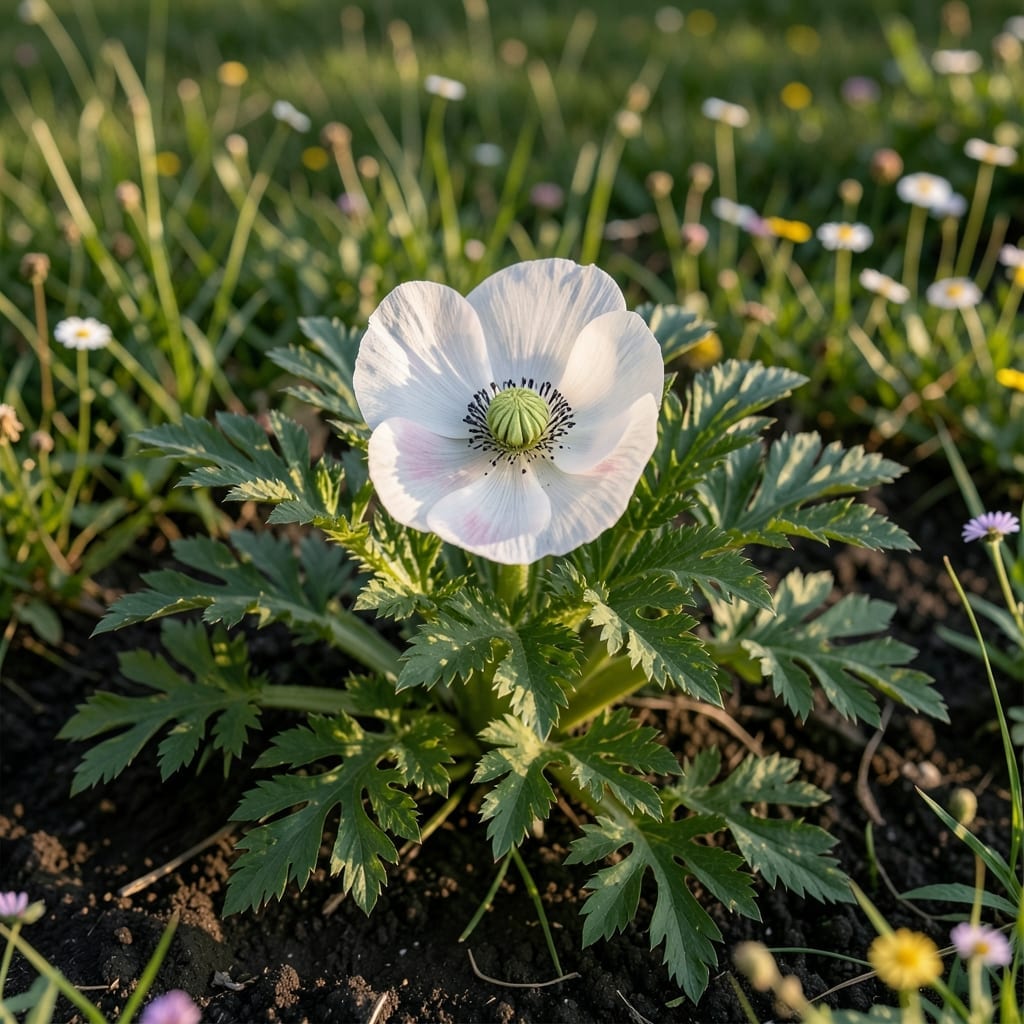
Anemone flowers can be perennial, returning each year in suitable climates. Wood anemones and Japanese anemones are popular perennial varieties that thrive with proper care and conditions.
I’ve found these hardy plants establish deep root systems that survive winter dormancy, making them reliable for year-round gardens. In my experience, they flourish best in well-draining soil with partial shade, especially in regions with mild winters. Their ability to rebloom annually with minimal effort is what makes them a favorite among gardeners seeking low-maintenance beauty. ✨
💡 In This Article
The secret lies in their underground root systems. Perennial anemones develop rhizomes or tubers that store energy during winter dormancy. These structures remain alive beneath the soil, even when above-ground foliage dies back in cold months. 🔥
Wood anemones, for instance, form spreading rhizome networks that can live for decades. Japanese anemones develop fibrous root systems that anchor deeply, allowing them to survive temperatures down to -20°F in their dormant state. This adaptation lets them re-emerge each spring when soil warms.
Climate plays a crucial role in this cycle. In USDA zones 4-8, these plants thrive because winter chilling satisfies their dormancy requirements. The cold period triggers biochemical changes that prepare the plant for spring regrowth, while milder regions may require specific cultivars adapted to less winter chill.
What’s fascinating is how different species have evolved unique strategies. The wood anemone’s rhizomes spread horizontally, creating dense colonies over time. Meanwhile, the Japanese anemone’s deep roots support taller stems that can reach 2-4 feet in height, making them architectural stars in perennial borders. ✨
This perennial nature isn’t just about survival—it’s about thriving. Established anemone clumps often produce more flowers each year as their root systems expand. Some varieties, like Anemone × hybrida, can spread 12-18 inches annually under ideal conditions, creating ever-larger displays. 💫
Most varieties flower for 4-6 weeks in spring or fall, depending on the species. Japanese anemones typically bloom from late summer through fall, while wood anemones appear in early spring. Deadheading spent blooms can extend the flowering period.
No, only specific types like wood and Japanese anemones are true perennials. Annual varieties, such as poppy anemones, complete their life cycle in one season. Always check the plant tag or description before purchasing.
Plant tubers in early fall for spring blooming, or container-grown plants in spring. Fall planting gives roots time to establish before winter dormancy. Space tubers 6-12 inches apart for optimal growth.
Common reasons include poor drainage, insufficient winter chill, or planting in the wrong USDA zone. Ensure your soil stays moist but not waterlogged, and verify the variety is hardy for your climate.