
Beautiful Plants For Your Interior
Beautiful Plants For Your Interior
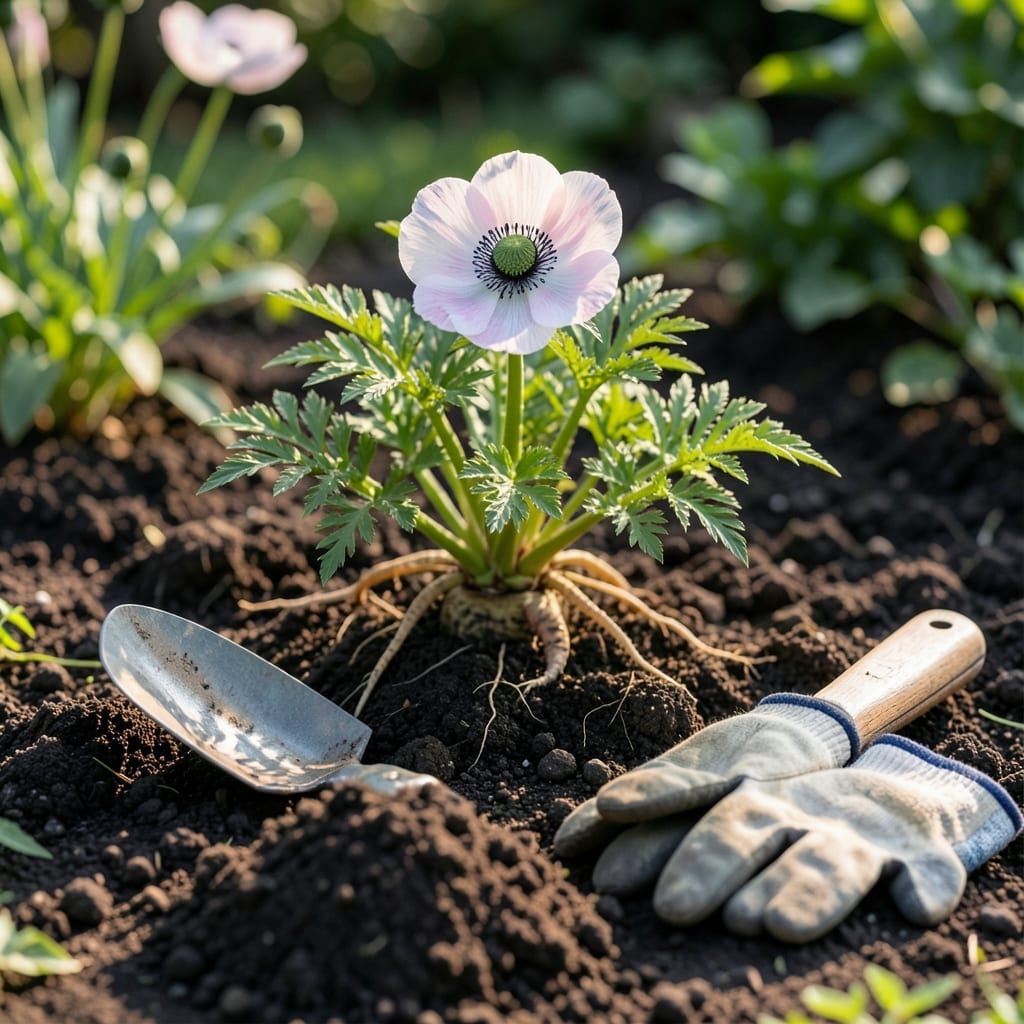
There’s something magical about watching 🌸 Anemone bulbs transform into vibrant blooms that dance in the spring breeze. But here’s the thing – how you plant them now determines their success later.
Getting the depth and spacing right isn’t just helpful – it’s the key to preventing common problems like rot or crowded growth. I’ve seen firsthand how proper planting makes all the difference.
whether you’re a seasoned gardener or just starting out, these simple techniques will set you up for success. The best part? It’s easier than you might think.
Let me walk you through exactly what works for Anemone bulbs in zone 6a. You’ll be amazed at how these small details lead to big results come spring.

Planting anemone bulbs is a rewarding experience that starts with proper preparation. I always begin by selecting a location with partial shade and well-draining soil to prevent waterlogging, which can rot the bulbs.
The ideal time to plant is in fall, specifically September to October, for spring blooms. This timing allows the bulbs to establish roots before winter dormancy.
In zone 6a, I’ve found that planting in early fall gives the bulbs enough time to root before the first frost. This is crucial for spring blooms that are vibrant and healthy.
If your soil is heavy clay, consider planting in raised beds or amending with sand and organic matter. Drainage is key—anemones hate soggy feet!
For Anemone coronaria, which are popular for their bright colors, ensure they get morning sun. This variety thrives with 4-6 hours of sunlight daily.
Watering is another critical step. After planting, water deeply once a week unless rain does the job. Avoid overhead watering to prevent fungal diseases.
In colder climates, a light mulch of straw or leaves can protect bulbs from freeze-thaw cycles. Just
If you’re planting in containers, choose pots with drainage holes and use a high-quality potting mix. Containers allow you to move the plants to follow the sun or protect them from harsh weather.
Finally, mark where you’ve planted your bulbs. It’s easy to forget their location, and accidentally digging them up while planting other flowers is a common mistake!
With these steps, you’ll be rewarded with beautiful anemone blooms that brighten your garden each spring. 🌸
Not all anemone bulbs are created equal. I’ve learned that Anemone coronaria and Anemone blanda have distinct needs that can make or break your garden display.
Anemone coronaria thrives in warmer climates and prefers full sun. These vibrant bloomers need 2-3 inches depth and 6 inches spacing to shine.
| Variety | Depth | Spacing | Sun Needs |
|---|---|---|---|
| Anemone coronaria | 2-3 inches | 6 inches | Full sun |
| Anemone blanda | 2 inches | 4 inches | Partial shade |
| Anemone hupehensis | 3 inches | 8 inches | Partial shade |
Anemone blanda is perfect for shadier spots and does well with 4 inches spacing. Its delicate blue or white flowers create a stunning carpet effect in spring.
For cold climates, Anemone hupehensis is a hardy choice. Plant these 3 inches deep and 8 inches apart for best results in partial shade.
I always recommend checking your USDA zone before selecting varieties. In zone 6a, all three types can thrive with proper care and planting timing.
Remember that soil type matters too. While coronaria tolerates sandy soil, blanda prefers rich, loamy soil with good drainage.
With the right variety in the right spot, you’ll enjoy season after season of beautiful anemone blooms. 🌷