
Beautiful Plants For Your Interior
Beautiful Plants For Your Interior
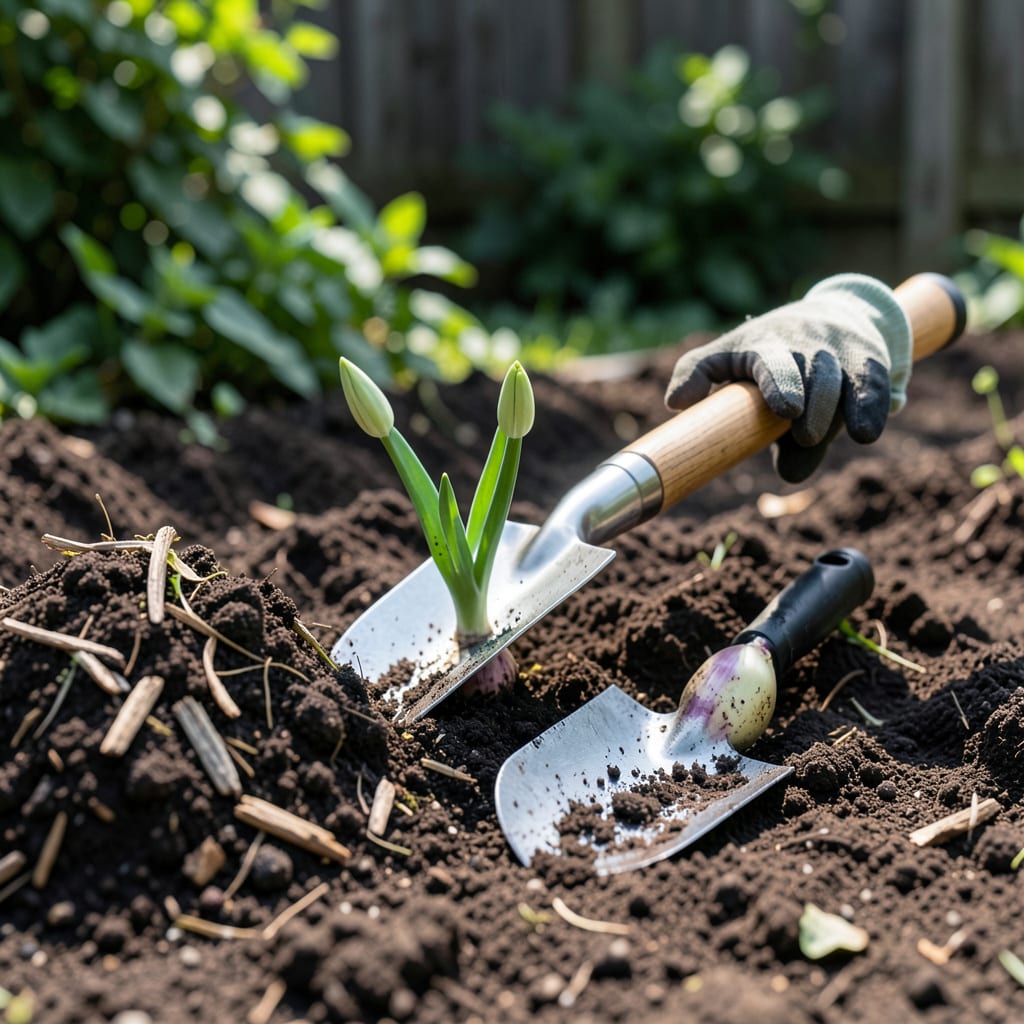
Zone 9 gardeners, listen up: your mild winters are a blessing—and a curse—for bulb planting. While others are shivering through frost, you’re wondering why your tulips never bloom. The secret? Timing that defies traditional rules.
Forget what you’ve heard about fall planting. In Zone 9, bulbs like daffodils and hyacinths need a pre-chill strategy or precise winter timing to thrive. I’ll show you exactly when to plant (and when to skip the fridge trick) for show-stopping spring color. Let’s dig in.
If you’re gardening in Zone 9, you know our mild winters change the game for bulb planting. Unlike colder zones, we don’t wait for hard frosts—our window starts in late fall and extends into early winter. The key is timing it so bulbs get enough chill hours without sprouting too soon.
Most traditional advice assumes cold winters, but here in Zone 9, we focus on soil temperature (below 60°F) rather than calendar dates. Tulips and hyacinths need 8-12 weeks of chilling, while daffodils and alliums are more forgiving. Let’s break down the exact timing for each.
| Bulb Type | Planting Months | Chill Hours Needed | Bloom Time | Notes |
|---|---|---|---|---|
| Tulips | Dec–Jan | 10–12 weeks | Feb–Mar | Pre-chill required |
| Daffodils | Nov–Dec | 6–8 weeks | Jan–Feb | Tolerates less chill |
| Hyacinths | Dec–Jan | 12–14 weeks | Mar–Apr | Needs longest chill |
| Alliums | Oct–Nov | 4–6 weeks | Apr–May | Heat-tolerant |
| Crinum Lilies | Year-round | None | Summer | No chill needed |
For bulbs that need chilling, I recommend starting the pre-chill process in October. Place them in a paper bag in your fridge (away from fruit!) for 8–12 weeks before planting. This mimics winter and ensures vibrant blooms. Skip this step for native bulbs like rain lilies—they thrive without it.
Soil prep matters too! In Zone 9, our soil stays warm longer, so I mulch heavily after planting to keep roots cool. A 2–3 inch layer of straw or shredded leaves works wonders. Avoid planting in soggy spots—bulbs rot easily in our occasional winter rains.
If you miss the ideal window, don’t panic. You can plant bulbs as late as February in Zone 9, though blooms may be delayed. For tulips and hyacinths, late planting means smaller flowers, but daffodils and alliums are more forgiving. Always water deeply after planting to settle the soil.
Pro tip: Pair early bloomers like daffodils with later ones like alliums for months of color. I love planting tulips in December and crinum lilies in spring to extend the season. This way, my garden stays vibrant from January through June!
Watch for premature sprouting—a common issue in Zone 9. If shoots emerge too early, cover them with extra mulch or a frost cloth during cold snaps. This protects tender growth while still allowing airflow. Avoid plastic covers, which can trap moisture and cause rot.
Finally, don’t forget to feed your bulbs! After planting, I apply a low-nitrogen fertilizer (like 5-10-10) to encourage strong roots. Then, I top-dress with compost in early spring as blooms start to form. This keeps them nourished without overstimulating foliage.
With the right timing and care, your Zone 9 garden can burst with color year after year. Start with easy winners like daffodils and alliums, then experiment with pre-chilled tulips for a showstopping display. Happy planting! 🌷
In Zone 9, many spring-blooming bulbs need a little extra help to thrive. Since our winters are too mild for tulips, hyacinths, and crocuses, we must artificially provide the chill hours they’d normally get in colder climates. This process, called pre-chilling, is simple but critical.
Most bulbs require 8–12 weeks of cold treatment at temperatures between 35–45°F. Without this, they may produce weak stems or fail to bloom. I’ll walk you through the foolproof method I use every year, whether you’re chilling a handful of bulbs or a whole garden’s worth.
For larger quantities, I use a mini fridge or ice chest with ice packs. Just monitor the temperature closely—too cold (below 32°F) can damage bulbs, while too warm (above 50°F) won’t break dormancy. A thermometer is your best friend here!
Not all bulbs need chilling. Daffodils, alliums, and crinum lilies often bloom without it in Zone 9. But for tulips and hyacinths, skipping this step usually means no flowers. I learned this the hard way my first year—don’t make my mistake!
After planting chilled bulbs, water deeply and apply 2–3 inches of mulch to insulate them. Our Zone 9 winters can have warm spells that trick bulbs into early growth. Mulch helps regulate soil temperature and prevents premature sprouting.
If you’re short on fridge space, try the “pot-in-pot” method: Plant bulbs in small pots, then bury the pots in a shaded outdoor spot. Cover with mulch or a frost blanket to mimic winter. This works well for hyacinths and crocuses.
Remember, pre-chilled bulbs may bloom 2–3 weeks earlier than unchilled ones. Plan your garden design accordingly—pair them with later-blooming perennials like salvias or lantanas for continuous color. With this method, you’ll get vibrant, long-lasting blooms that rival gardens in colder zones! 🌷
Zone 9 gardeners, rejoice! Not all bulbs demand the pre-chill hassle. Some thrive in our warm winters with zero extra effort. These low-maintenance beauties are perfect for busy gardeners or those new to bulb growing. Let’s dive into my top picks.
First up: rain lilies (Zephyranthes). These delicate bloomers pop up after rain, offering pink, white, or yellow flowers with minimal care. They naturalize easily, spreading over time for a self-sustaining display. Plant them in well-draining soil and full sun.
| Bulb Type | Bloom Time | Sun Needs | Water Needs | Drought Tolerance |
|---|---|---|---|---|
| Rain Lilies | Spring–Summer | Full Sun | Moderate | High |
| Crinum Lilies | Summer–Fall | Full Sun | Low | Very High |
| Spider Lilies | Late Summer | Part Sun | Low | High |
| Society Garlic | Spring–Fall | Full Sun | Low | Very High |
| Walking Iris | Spring–Summer | Part Shade | Moderate | Medium |
Crinum lilies are another star performer. These dramatic, fragrant bloomers handle heat and humidity like champs. Their strappy foliage adds texture year-round, and their summer flowers are showstoppers. Plant them in clusters for maximum impact.
For something unique, try spider lilies (Lycoris). Their otherworldly red blooms appear on bare stems in late summer, earning them the nickname “surprise lilies.” They’re deer-resistant and thrive in part shade, making them ideal for woodland edges.
Don’t overlook society garlic for edible landscapes. Its lavender flowers and garlic-scented foliage deter pests while attracting pollinators. It spreads gradually, forming a low-maintenance groundcover that blooms almost year-round in Zone 9.
All these bulbs share key advantages: no pre-chilling, minimal water needs, and excellent heat tolerance. They’re perfect for xeriscapes or areas where you want color without fuss. Plant them in fall or early spring for best results.
For a foolproof combo, I pair rain lilies with society garlic along pathways. The rain lilies provide seasonal bursts of color, while the society garlic offers year-round greenery and pest protection. It’s a win-win for Zone 9 gardens! 🌿
Planting too early can cause premature sprouting before winter. In Zone 9’s mild climate, bulbs may emerge during warm spells, making them vulnerable to damage from sudden cold snaps. Aim for soil temperatures below 60°F for best results.
Not all bulbs need chilling! Varieties like daffodils, alliums, and crinum lilies often bloom without it. However, tulips and hyacinths typically require 8–12 weeks of cold treatment to produce strong stems and vibrant flowers.
Follow the 3x rule: Plant bulbs three times as deep as their height. For example, a 2-inch bulb should go 6 inches deep. In Zone 9’s warm soil, planting deeper helps prevent premature sprouting and protects bulbs during occasional heat waves.
In Zone 9, you can plant as late as February for spring blooms. However, late-planted bulbs may produce smaller flowers or bloom later in the season. For best results, stick to the ideal windows: November–December for daffodils and December–January for tulips.
This usually happens when bulbs don’t get enough chill hours. In Zone 9, tulips and hyacinths often need artificial chilling (try 8–12 weeks in the fridge). Poor soil drainage or overcrowding can also stress bulbs, leading to foliage but no flowers.
