
Beautiful Plants For Your Interior
Beautiful Plants For Your Interior
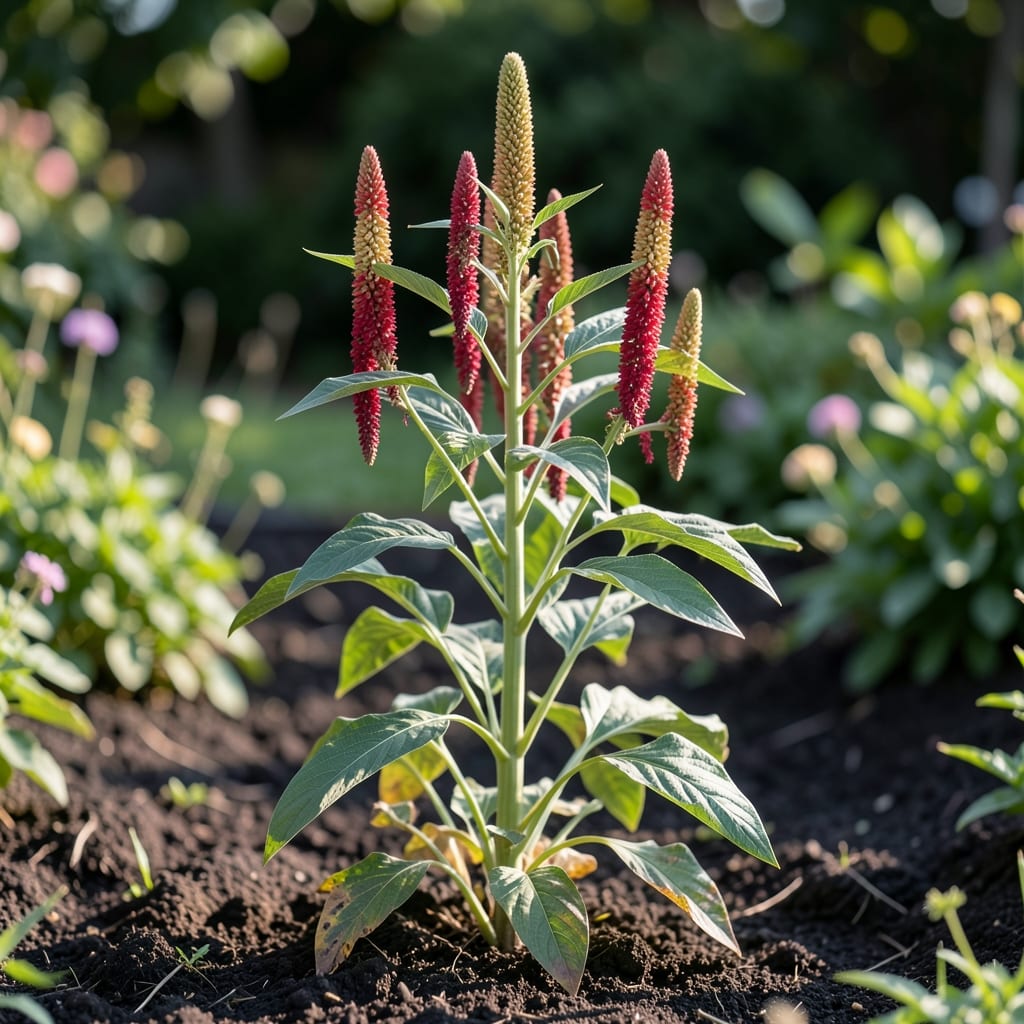
Amaranth is a nutrient-dense plant offering high protein, fiber, and essential minerals like calcium and iron. Its leaves and seeds are edible, supporting both health and garden biodiversity.
I love how this ancient grain-like plant packs a nutritional punch that modern superfoods envy. Beyond protein and iron, its seeds contain lysine, an amino acid rare in many grains. 🔥 The leaves, rich in vitamin K and magnesium, can be cooked like spinach, while the seeds work beautifully in porridge or baked goods.
💡 In This Article
Amaranth leaves contain 29% DV of calcium per cooked cup, outperforming spinach in this mineral. They also pack 220% DV of vitamin K, crucial for blood clotting and bone health. The leaves’ deep green color signals high chlorophyll content, which supports detoxification processes in your body. 🔥
The seeds are where amaranth truly shines. Each 1/4 cup (45g) serving delivers 7g of protein with all essential amino acids, including lysine at 0.27g—rare in plant proteins. This complete protein profile makes it superior to wheat (which lacks lysine) and comparable to quinoa.
The seeds also contain 5g of fiber per serving, promoting gut health.
What sets amaranth apart is its mineral density. The seeds provide 29% DV of iron and 40% DV of magnesium in just 1/4 cup. These minerals work synergistically: magnesium helps regulate blood pressure while iron supports oxygen transport. The plant’s natural compounds like lunasin may offer anti-inflammatory benefits, though more research is needed.
Compared to other greens, amaranth leaves have 3x more calcium than kale and 2x more iron than Swiss chard. The seeds contain 15-18% protein by weight, higher than most grains. This nutritional density explains why NASA selected amaranth as a crop for long-duration space missions. ✨
For gardeners, growing amaranth means access to fresh, hyper-nutritious food. The plant’s ability to thrive in poor soil while accumulating high nutrient levels makes it a sustainable choice. Its fast growth rate (ready to harvest in 45-60 days for leaves) means you can enjoy these benefits quickly after planting.
Yes, young amaranth leaves can be eaten raw in salads. They have a mild, spinach-like flavor. Older leaves may be tougher and better cooked. Always wash thoroughly before consuming.
Rinse 1 cup seeds, then boil in 2.5 cups water for 20-25 minutes. The seeds pop like tiny popcorn when done. Use in porridge, soups, or baked goods.
Amaranth is naturally gluten-free, making it perfect for those with celiac disease or gluten sensitivity. It can replace wheat in many recipes.
Each 1/4 cup (45g) of dry seeds contains 7g of complete protein. This includes all essential amino acids, rare for plant sources.