
Beautiful Plants For Your Interior
Beautiful Plants For Your Interior
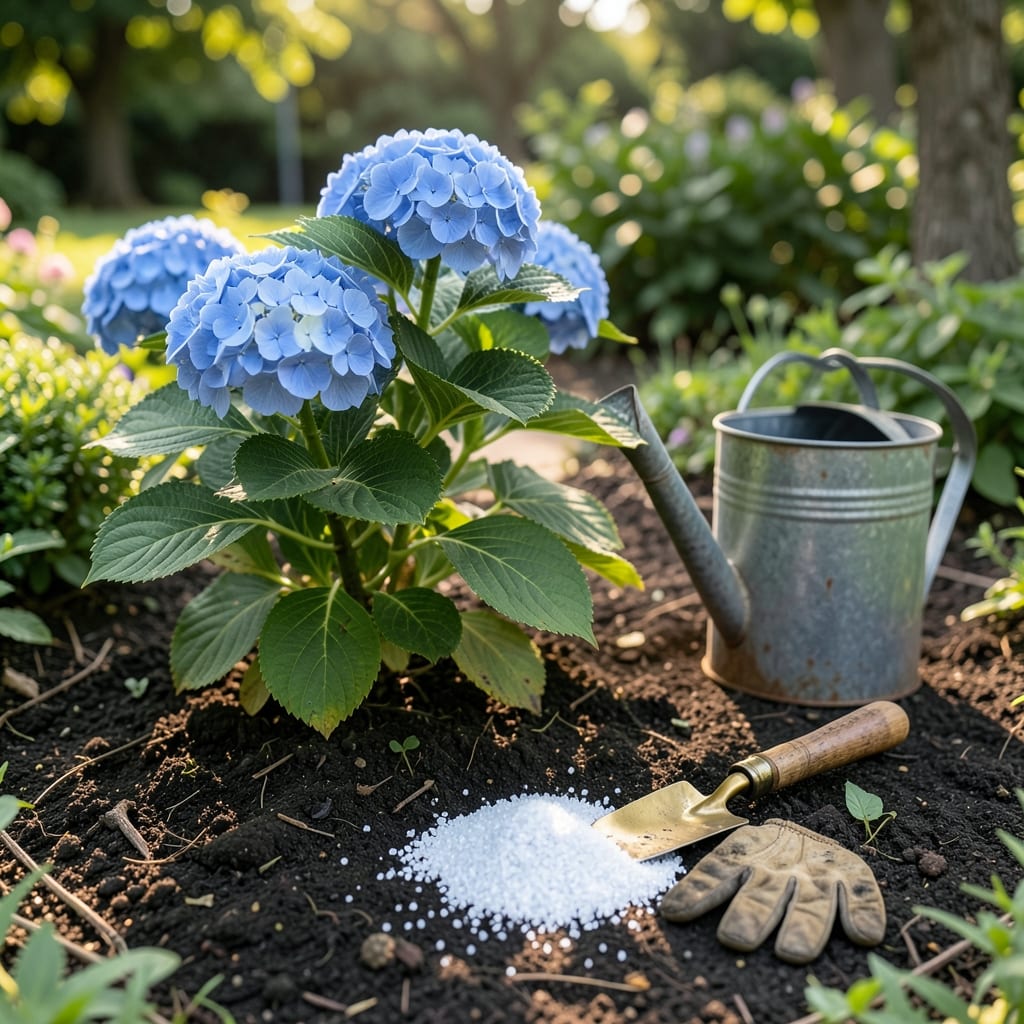
Aluminum sulfate lowers soil pH, making it ideal for acid-loving plants like hydrangeas and blueberries. It also provides sulfur, an essential nutrient for plant growth.
I’ve seen gardeners transform their hydrangeas from pink to vibrant blue using this amendment, thanks to the increased aluminum availability in acidic soil. 🌟 It’s also a go-to for blueberry bushes, which struggle in neutral or alkaline conditions. Just remember, a little goes a long way—overuse can harm plants and disrupt soil balance.
💡 In This Article
When aluminum sulfate dissolves in moist soil, it undergoes hydrolysis, releasing hydrogen ions that directly lower the pH. This chemical reaction converts the compound into aluminum hydroxide and sulfuric acid, which is the active agent in creating a more acidic environment. The process happens relatively quickly, often within 24-48 hours of application. 🔥
Certain plants like hydrangeas, azaleas, and blueberries have evolved to thrive in acidic conditions because it increases the solubility of nutrients like iron, manganese, and phosphorus. For hydrangeas specifically, the aluminum ions released in acidic soil are what produce those coveted blue flowers. Without this acidity, these plants often suffer from nutrient deficiencies. ✨
The sulfur component serves a dual purpose: it contributes to acidification while also providing an essential macronutrient. Plants require sulfur for protein synthesis and enzyme function, and a deficiency can lead to stunted growth and pale leaves.
A typical application rate of 5-6 pounds per 100 square feet can lower pH by about 1 unit, but this varies by soil type. 💫
What’s fascinating is how the soil’s buffering capacity affects the process. Clay soils, with their higher cation exchange capacity, resist pH changes more than sandy soils. This means you might need 20-30% more aluminum sulfate in clay to achieve the same pH reduction as in sand. Always test your soil pH before and after application.
⚡
Remember that aluminum sulfate’s effects are temporary. Over time, natural soil processes and rainwater can neutralize the acidity. This is why gardeners often reapply every 2-3 months during the growing season for acid-loving plants. The key is monitoring and maintaining that ideal pH range of 4.5-5.5 for most acidophilic species. 🌟
You’ll see pH changes within 24-48 hours after application. For full effects, wait 2-3 weeks and retest your soil to confirm the adjustment.
Acid-loving plants like hydrangeas (for blue flowers), blueberries, azaleas, and rhododendrons thrive with it. It helps unlock nutrients they need in lower pH soil.
Yes, but clay soils may need 20-30% more due to higher buffering capacity. Always test pH first and adjust dosage accordingly.
Overuse can cause over-acidification, leading to yellowing leaves or stunted growth. If this occurs, flush the soil and add lime to neutralize.
For most acid-loving plants, reapply every 2-3 months during growing season. Effects fade over time due to natural soil processes.