
Beautiful Plants For Your Interior
Beautiful Plants For Your Interior
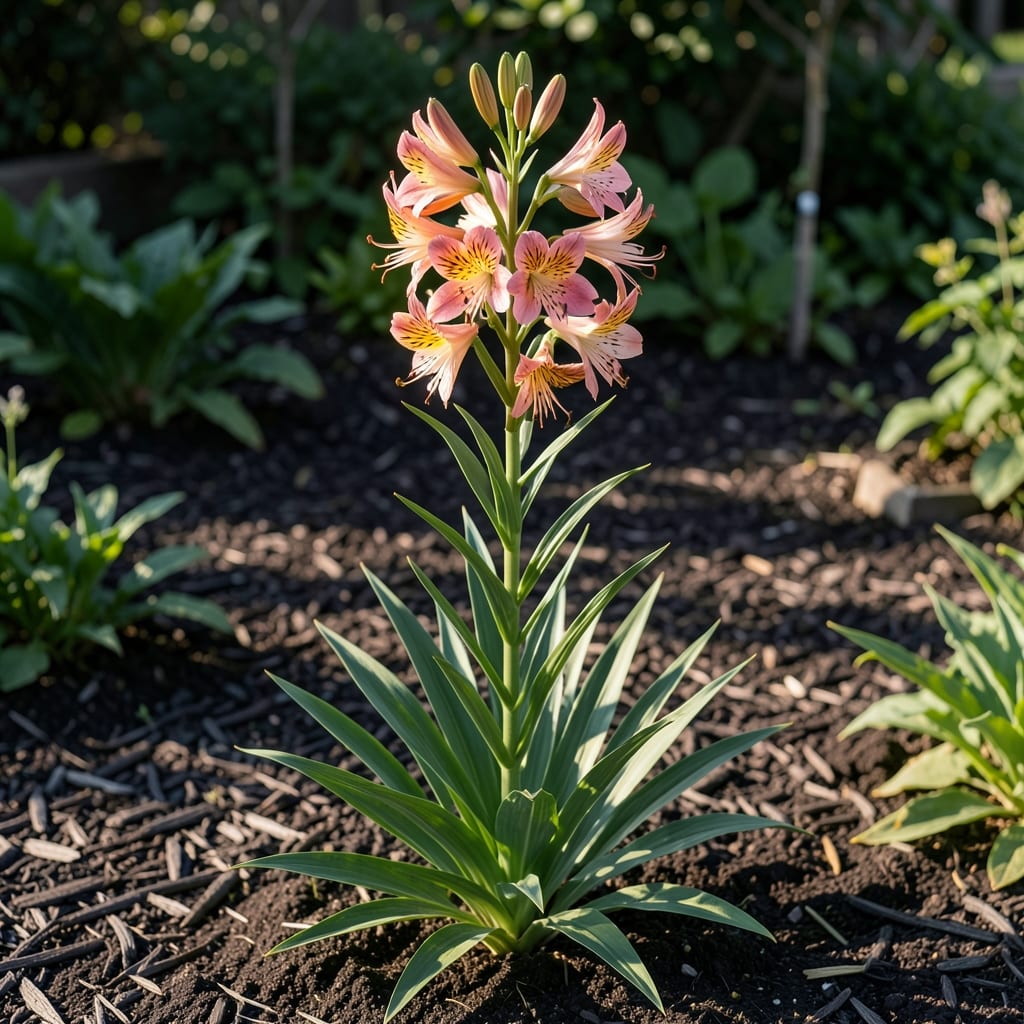
Alstroemeria thrives in USDA hardiness zones 7 through 10, tolerating winter lows of 0°F to 30°F. In colder zones, grow in containers and overwinter indoors.
I’ve found these perennials handle mild winters beautifully in their native range, but their tuberous roots struggle when temperatures dip below freezing for extended periods. That’s why gardeners in zone 6 or colder often lift tubers before frost or use containers for flexibility. 🌟
This adaptability makes them perfect for patios or balconies where you can move pots to a protected spot when cold snaps hit.
💡 In This Article
Alstroemeria originates from South America’s Andean regions, where it naturally thrives in climates with mild winters and warm summers. This heritage explains its preference for USDA zones 7-10, where winter temperatures rarely drop below 0°F.
The tubers store energy during dormancy, but prolonged freezing can damage their cellular structure, leading to rot or failure to sprout in spring. 🔥
The plant’s growth cycle aligns perfectly with these zones. In spring, it emerges when soil reaches 50-55°F, then produces blooms continuously through summer and fall. In zones 7-10, the ground rarely freezes deeply enough to harm the tubers, allowing them to regrow each year. This consistency is key to their longevity and flowering performance.
Frost is the primary enemy of alstroemeria. Even light frosts can blacken foliage, while hard freezes (below 25°F) penetrate the soil and damage the tubers. In zones 7-10, occasional light frosts may occur, but the duration is typically too short to cause permanent harm.
The tubers enter dormancy naturally, preserving their energy for the next growing season. ✨
Soil temperature matters as much as air temperature. In zones 7-10, winter soil temperatures stay above 20°F at tuber depth (6-8 inches), which is the critical threshold for survival. This stability allows the roots to remain viable, ready to push up new growth when spring warmth returns.
For comparison, in zone 6, winter soil temperatures often drop below 15°F, risking tuber damage. This is why gardeners in colder areas must use protective measures or treat alstroemeria as an annual. The plant’s natural resilience shines in its ideal zones, where it can focus energy on growth rather than survival. 🌟
Yes, but with extra care. Plant in containers to move indoors when temperatures drop below 25°F. In the ground, use thick mulch and select a sheltered microclimate.
Apply 4-6 inches of organic mulch after the first frost. For potted plants, store in a cool 35-45°F location and water sparingly during dormancy.
Frost damages the foliage, causing blackening. While the leaves may die back, the tubers often survive if soil temperatures stay above 20°F. Trim damaged foliage in spring.
Plant in early spring after the last frost date, when soil reaches 50-55°F. This gives roots time to establish before summer heat and ensures blooms by mid-season.