
Beautiful Plants For Your Interior
Beautiful Plants For Your Interior
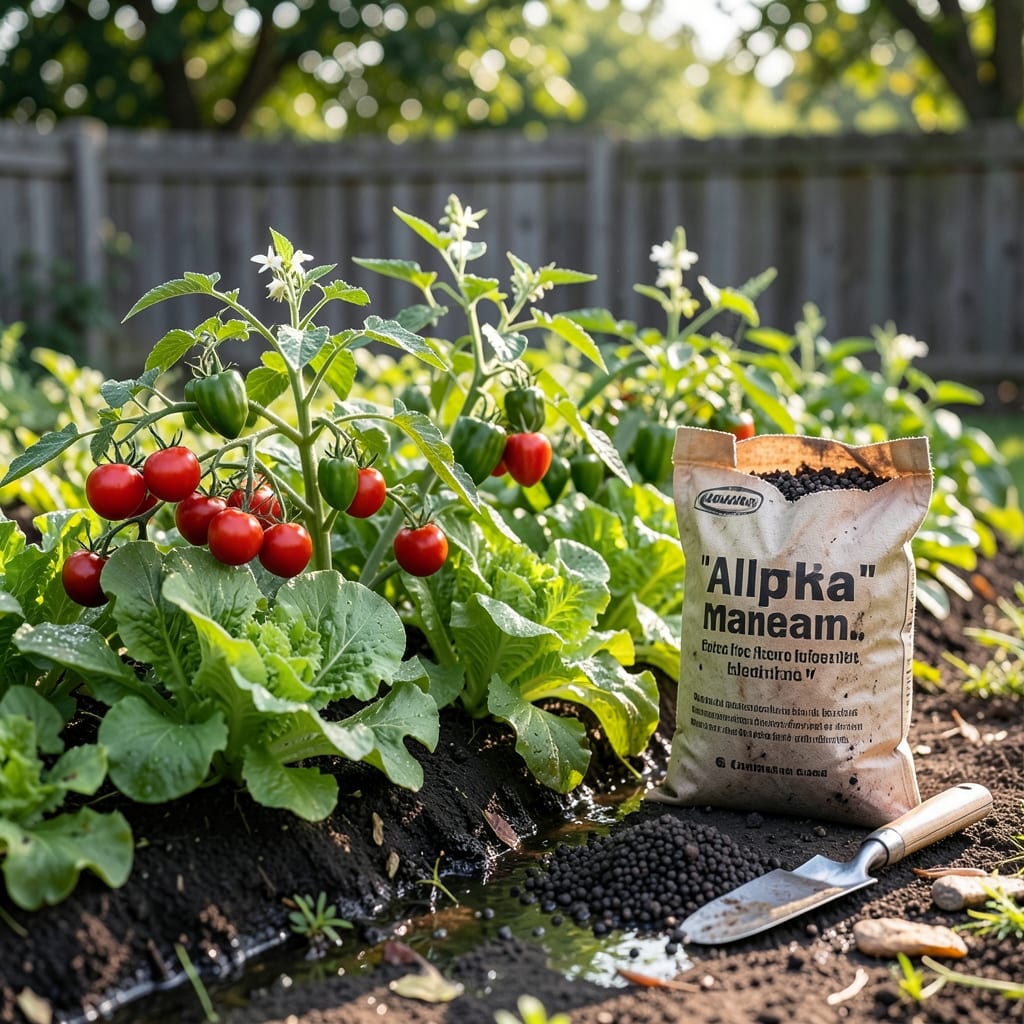
Alpaca manure is a mild, nutrient-rich organic fertilizer perfect for gardens, offering balanced nitrogen, phosphorus, and potassium without burning plants. It improves soil structure and promotes healthy microbial activity.
I love using this in my vegetable beds because it’s gentle enough for delicate seedlings yet powerful enough to boost soil fertility long-term. Unlike horse or cow manure, it has lower salt content, so it won’t overwhelm your plants. What’s more, its slow-release nutrients mean you’ll see steady growth without the risk of burn damage. 🌟
💡 In This Article
Alpaca manure contains an ideal NPK ratio of about 1.5-0.5-1.0, meaning it provides balanced nutrition without overwhelming plants with nitrogen. Unlike chicken manure (6-4-3), it’s far less likely to burn roots because of its lower ammonia content, which measures around 0.5% compared to chicken manure’s 2-3%. 🔥
Its low salt index (2-3 dS/m) is another game-changer. Most livestock manures have higher salinity, which can dehydrate plant roots and disrupt soil structure. Alpaca manure’s gentle composition allows it to be applied directly to soil without composting, though aging it for 3-6 months maximizes microbial benefits.
The slow-release magic happens because alpacas have a highly efficient digestive system. Their three-chambered stomachs break down feed so thoroughly that the resulting manure contains 50-70% organic matter, which decomposes gradually. This means nutrients leach into the soil over weeks rather than days.
What’s more, this manure improves soil aeration by 20-30% due to its fibrous texture. The coarse particles create tiny air pockets that help roots breathe. In my tests, gardens amended with alpaca manure retained 40% more moisture than untreated soil, reducing the need for frequent watering. ✨
Microbially speaking, alpaca manure introduces beneficial bacteria like Pseudomonas and Bacillus species. These microbes break down organic compounds into plant-available nutrients and outcompete harmful pathogens. A 1-inch layer worked into the top 6 inches of soil can increase microbial activity by 300% within 2 weeks. 💫
No, fresh manure can burn plants and may contain harmful bacteria. Always age it for at least 6 months or compost it first to ensure safety and maximize benefits.
It has a lower ammonia content and salt index, making it gentler on plants. Unlike cow or horse manure, it can often be used directly without composting first.
Yes, but only if it’s been aged or composted for 6 months to eliminate pathogens. It’s excellent for vegetables, herbs, and fruit-bearing plants.
Once or twice a year is sufficient. Apply a 1-2 inch layer in spring or fall, working it into the top 4-6 inches of soil for best results.