
Beautiful Plants For Your Interior
Beautiful Plants For Your Interior
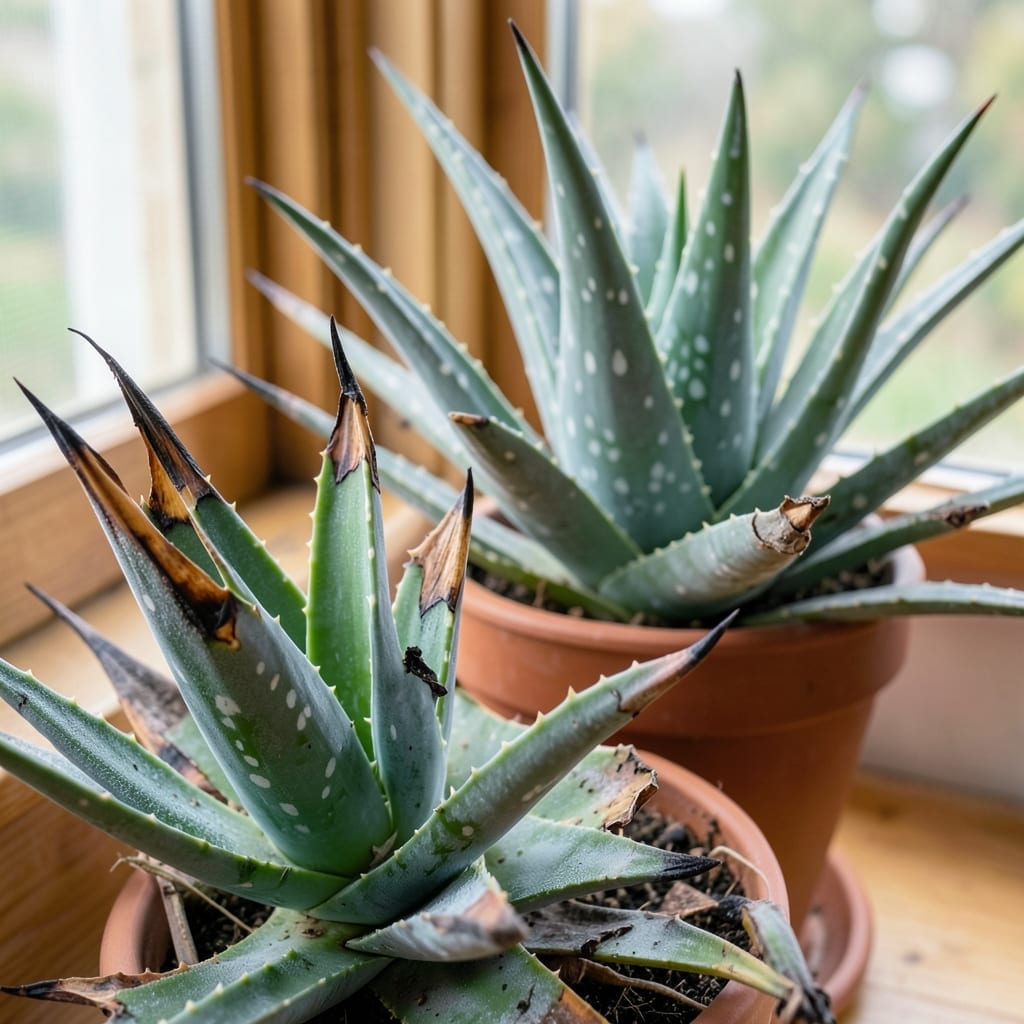
Aloe vera plants can survive brief cold snaps but suffer damage below 50°F. Frozen leaves turn mushy and black. Move potted plants indoors or cover with frost cloth before temperatures drop.
I’ve learned that aloe vera’s tropical origins make it highly sensitive to cold stress. The gel inside damaged leaves often breaks down, losing its soothing properties. 🌟 Protecting them early prevents irreversible harm, especially in unexpected late frosts.
Many gardeners underestimate how quickly temperatures can drop at night, so I always recommend monitoring weather forecasts closely. A simple frost cloth can make all the difference.
💡 In This Article
When aloe vera encounters freezing temperatures, the first visible sign is often discoloration. The normally vibrant green leaves may develop dark, water-soaked spots that eventually turn black as cellular damage progresses. This happens because ice crystals rupture the plant cells, destroying their structure. 🌟
The texture changes dramatically too. Healthy aloe leaves are firm and plump with gel. After freeze damage, they become soft and mushy to the touch, almost like overripe fruit. This is the plant’s way of showing that the water-storage tissues have collapsed from ice expansion.
You might also notice the leaves wilting or drooping. This occurs as the damaged cells can no longer maintain turgor pressure—the internal pressure that keeps plants rigid. In severe cases, entire leaves may detach from the plant with just a slight touch, as the connection points have been weakened by the cold.
The biological reason behind these symptoms lies in the aloe’s tropical adaptation. These plants evolved in warm climates where freezing is rare, so they lack the natural antifreeze proteins that cold-hardy plants produce. Their high water content makes them particularly vulnerable to ice crystal formation.
Interestingly, the damage often appears worse 24-48 hours after the cold exposure. This delayed reaction occurs as damaged cells continue to die and the plant’s own defense mechanisms (like producing ethylene gas) accelerate the deterioration process. 💫
If only the leaves are damaged, trim the affected parts and move the plant to a warmer spot. The roots may still be healthy. Avoid watering until the soil dries out completely.
Look for dark, water-soaked spots that turn black or mushy leaves. These signs appear 24-48 hours after exposure. Healthy leaves stay firm and green.
Anything below 50°F can stress the plant, and freezing (32°F) will cause serious damage. Bring it indoors or cover it if temperatures drop overnight.
Yes, reduce watering significantly. Only water when the top 2 inches of soil are dry. Overwatering in cold weather leads to root rot.