
Beautiful Plants For Your Interior
Beautiful Plants For Your Interior
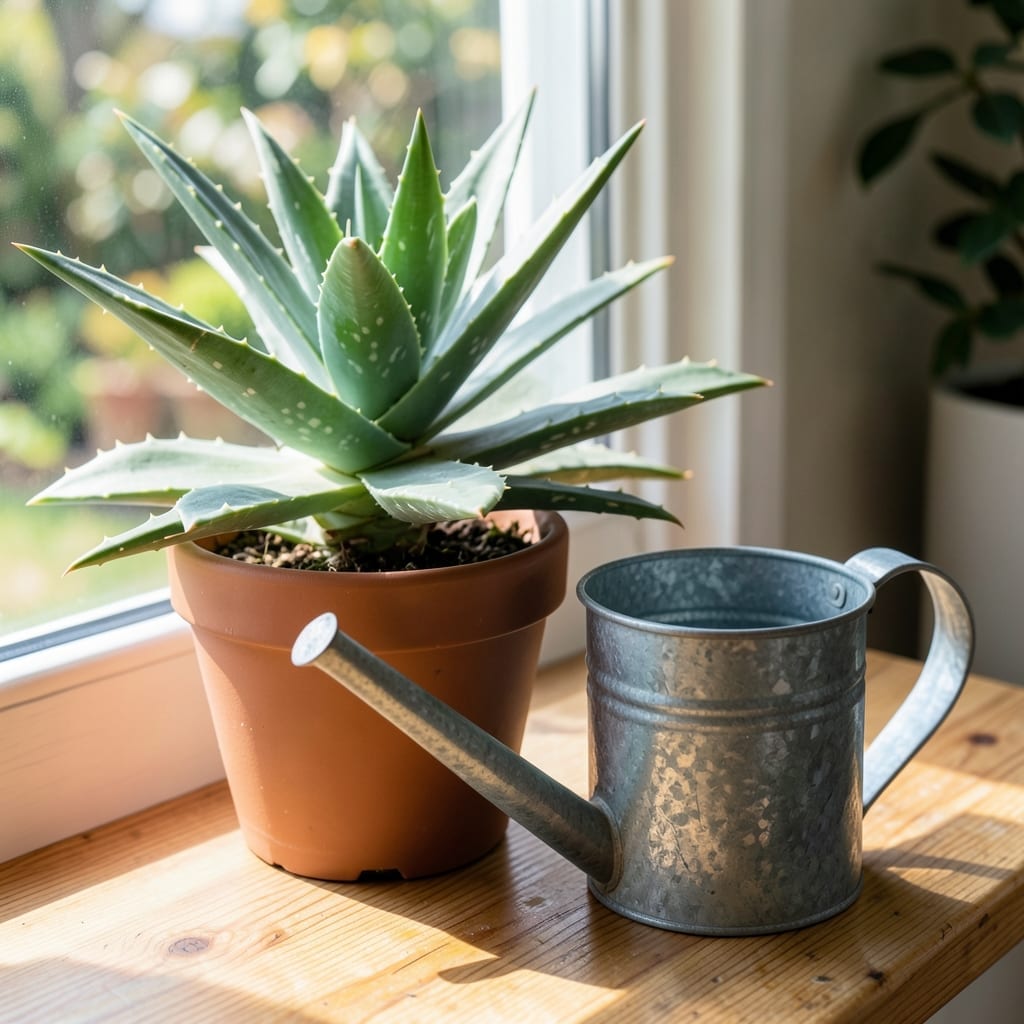
Overwatering is the number one killer of Aloe Vera 🌱, yet many well-meaning gardeners still drown their succulents in good intentions. Getting the watering schedule right is the secret to a thriving, vibrant plant.
I’ve seen too many Aloe Vera plants suffer from too much love in the form of water. The truth is, these hardy plants need far less than you might think.
In this guide, I’ll show you exactly how to strike the perfect balance. You’ll learn how to read your plant’s signals and adjust your care routine accordingly.
Whether you’re a new plant parent or a seasoned gardener, these insights will help you keep your Aloe Vera happy and healthy year-round.
If you’ve ever wondered how much water does an aloe vera plant need, you’re not alone. The key is understanding that aloe vera thrives on neglect rather than constant attention. These succulent plants store water in their thick leaves, making them highly drought-tolerant. 🌱
I’ve found that overwatering is the most common mistake. A good rule of thumb is to water only when the soil is completely dry, about 2-3 inches deep. This approach mimics their natural desert habitat where rainfall is infrequent. 🌿
| Season | Frequency | Amount |
|---|---|---|
| Spring | Every 2 weeks | Deep soak |
| Summer | Every 3 weeks | Deep soak |
| Fall | Every 2-3 weeks | Moderate |
| Winter | Every 4 weeks | Light |
For potted aloe vera, the frequency changes slightly. In smaller pots, water every 2-3 weeks, while larger containers can go longer between waterings. Always check that your pot has drainage holes to prevent root rot. ✂️
Climate plays a huge role in your watering schedule. In hot, dry climates, you might need to water more frequently, perhaps every 10-14 days. In humid environments, stretch it to 3-4 weeks as the air moisture helps sustain the plant. ☀️
Indoor aloe vera typically needs less water than outdoor plants. The controlled environment means less evaporation. I recommend watering indoor aloe about every 3-4 weeks, but always check the soil first. Remember, it’s better to under-water than over-water. 🪴
When you do water, give your aloe a deep soak until water runs out the drainage holes. This encourages deep root growth. Never let your plant sit in standing water, as this is a sure way to kill it. Always empty the saucer after watering.
The type of soil matters too. Use a well-draining cactus mix or amend regular potting soil with perlite or sand. This ensures excess water drains quickly, preventing soggy roots. I’ve seen many plants revive just by improving their soil.
For outdoor aloe vera in the ground, watering needs depend on your rainfall. In dry spells, water every 3-4 weeks. If you get regular rain, you might not need to water at all. These plants are survivors in their natural habitat.
Lastly, always water in the early morning. This gives the plant time to absorb moisture before the heat of the day. Evening watering can lead to fungal issues as the plant stays damp overnight. Consistency in your watering routine is key to a happy aloe. 🌱
I see many gardeners struggle with aloe vera watering because they can’t read their plant’s signals. Underwatered aloe leaves feel thin and wrinkled, while overwatered ones turn mushy and yellow.
Your aloe vera plant will show clear distress signs when its watering needs aren’t met. Learning these visual cues can save your succulent from decline. 🌱
I always check the soil moisture an inch down before watering. If it’s bone dry, it’s time for a deep drink. But if it’s damp, I wait.
The leaf test works wonders: gently squeeze a leaf. A healthy aloe feels plump and firm, while a thirsty one feels flat.
Remember, aloe vera stores water in its leaves, so it prefers dry conditions over soggy soil. When in doubt, wait to water. 🌿
In my experience, morning watering works best. It gives the plant time to absorb moisture before the heat of the day sets in.