
Beautiful Plants For Your Interior
Beautiful Plants For Your Interior
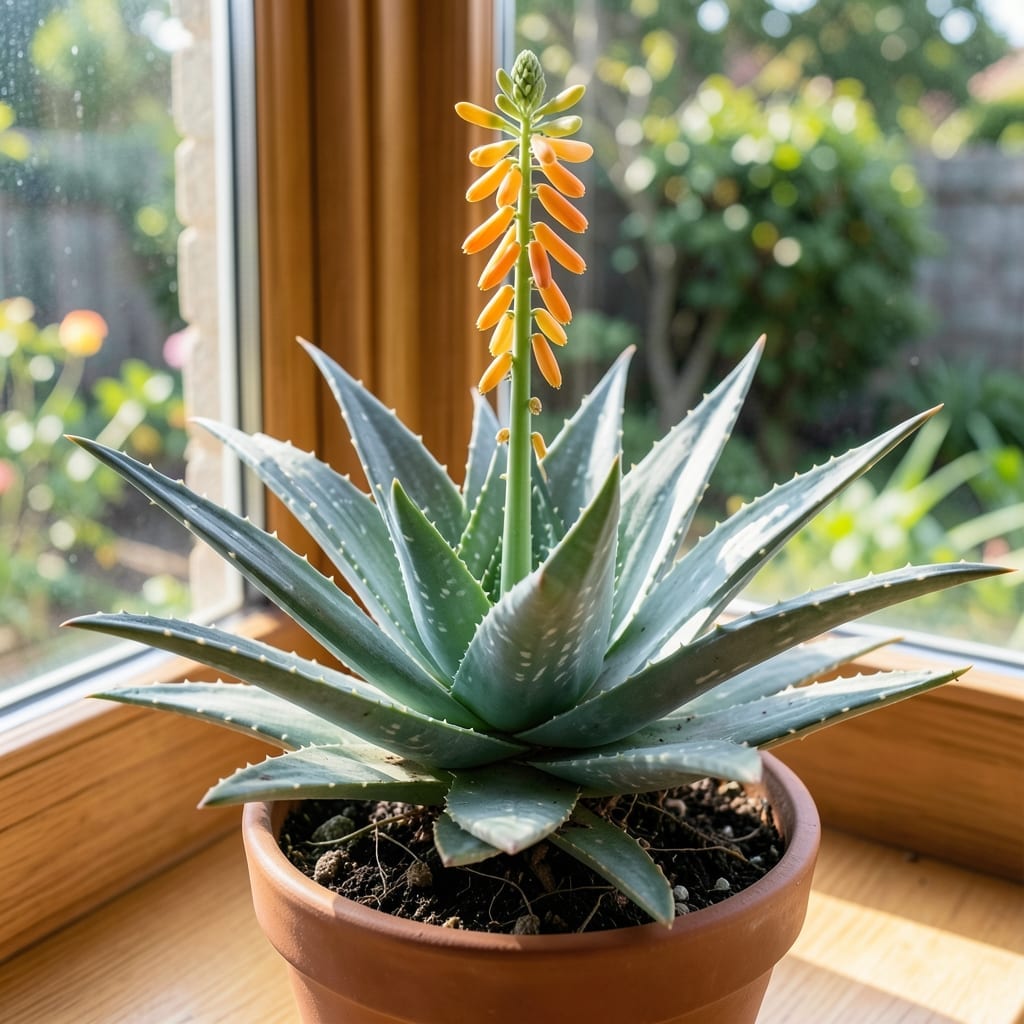
Aloe vera flowers have uses in traditional medicine, ornamental gardening, and as a natural food coloring. The nectar-rich blooms attract pollinators, while extracts may support skin and digestive health.
I’ve seen these vibrant blooms transform gardens with their tubular orange or yellow hues, drawing in bees and hummingbirds. Beyond aesthetics, the extracts are prized in some cultures for soothing properties, often brewed into teas or applied topically. What surprises many is their role as a gentle dye in culinary creations. ✨
Their versatility extends to eco-friendly landscaping, as they thrive with minimal water and add a striking visual element to drought-tolerant designs.
💡 In This Article
In traditional medicine, aloe vera flowers are valued for their bioactive compounds like flavonoids and polyphenols. These compounds exhibit antioxidant properties, helping combat oxidative stress in the body. 💛
Historically, practitioners in regions like South Asia and the Middle East dried the flowers to create herbal infusions. These teas were used to soothe digestive discomfort and support immune function, with typical preparations involving 1-2 teaspoons of dried flowers steeped in 250ml of hot water for 5-10 minutes.
The flowers’ nectar also contains enzymes that may aid in skin healing. When applied topically as a poultice, it was believed to accelerate wound healing and reduce inflammation, similar to the plant’s gel but with a milder effect. The nectar’s viscosity helps it adhere to the skin for prolonged contact.
Modern research is beginning to validate some of these uses. A 2018 study in the Journal of Ethnopharmacology noted that aloe flower extracts showed significant anti-inflammatory activity in laboratory tests. This supports traditional claims about its internal and external applications.
What makes these flowers unique is their dual action. While the gel from aloe leaves is widely known for skin benefits, the flowers contain additional compounds like aloin that may offer complementary effects when used in combination. ✨
Dry the flowers completely, then use 1-2 teaspoons per 250ml of hot water. Steep for 5-10 minutes to extract beneficial compounds.
Yes, the nectar can be applied as a poultice. Its enzymes may help soothe irritation and support healing, though effects are milder than the plant’s gel.
Flowers contain unique compounds like aloin and higher antioxidant levels. They offer complementary benefits when used alongside the gel.
Most plants need 3-4 years of maturity. Proper light, temperature cycles, and care encourage flowering.