
Beautiful Plants For Your Interior
Beautiful Plants For Your Interior
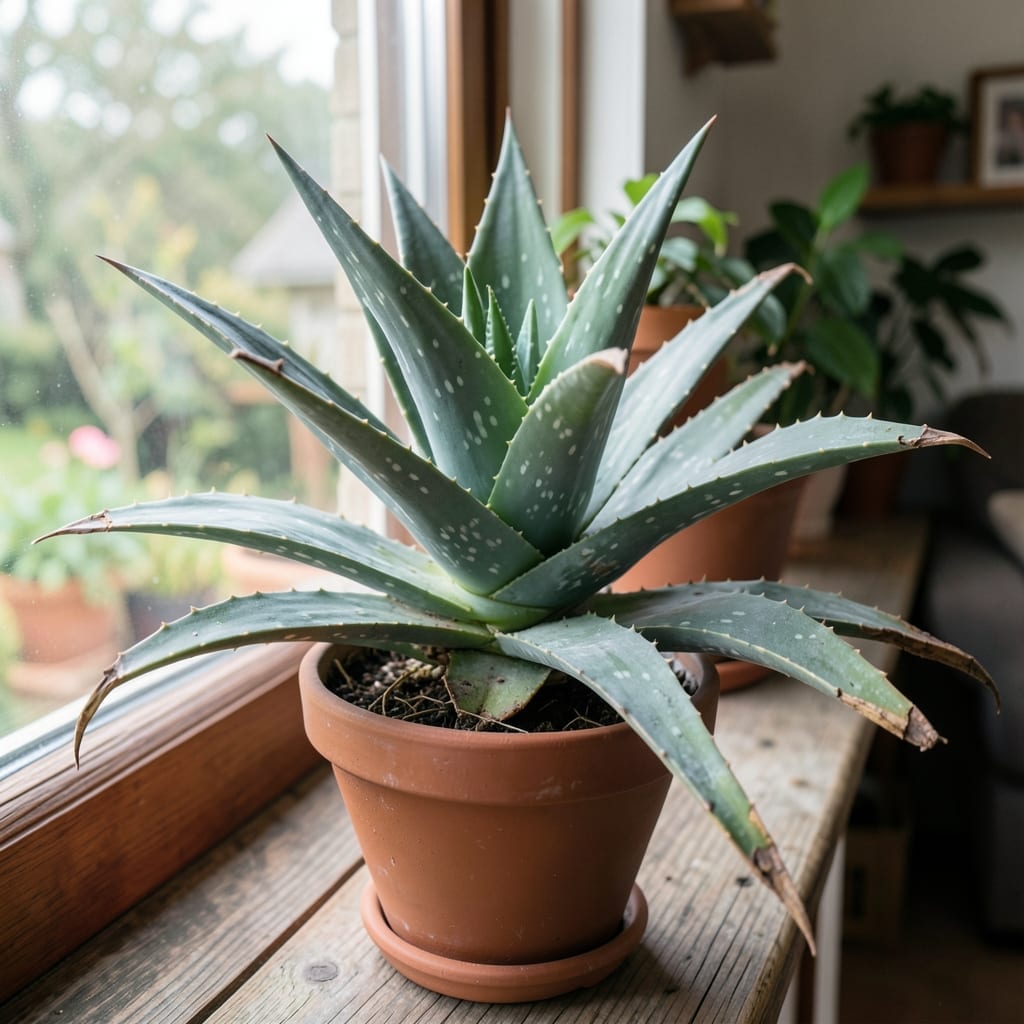
My aloe plant turned brown overnight, and I panicked. Turns out, it was screaming for help—either too much sun or the wrong kind of water.
Brown tips usually mean overwatering or poor drainage. Soft, mushy leaves? That’s root rot. Dry, crispy edges? Likely sunburn from direct, harsh light.
Once I adjusted the watering schedule and moved it to bright, indirect light, the new growth came back green and healthy. The fix is often simpler than you think.
Spot the issue early, and you can save your plant before the damage spreads. Here’s how to diagnose and treat it fast.
Understanding why your aloe plant is turning brown starts with identifying the root causes. Here are the most common culprits behind browning leaves:
Aloe plants thrive in bright light, but too much direct sunlight can lead to sunburn. The intense UV rays break down the plant’s chlorophyll, causing the leaves to turn brown or reddish. This often appears as dry, crispy patches on the most exposed areas. Move your aloe to a spot with indirect light or provide shade during peak sunlight hours.
Both overwatering and underwatering can cause browning. Overwatering leads to root rot, which prevents the plant from absorbing nutrients, resulting in soft, mushy brown leaves. Underwatering, on the other hand, causes dry, brittle brown tips. Check the soil: it should be dry 1-2 inches down before watering again.
Aloe plants require well-draining soil to prevent waterlogged roots. If the soil retains too much moisture, it suffocates the roots and promotes fungal growth, leading to brown, decaying leaves. Use a cactus or succulent mix with perlite or sand to improve drainage.
Extreme temperatures—either too hot or too cold—can stress your aloe plant. Prolonged exposure to temperatures below 50°F (10°C) or above 90°F (32°C) can cause browning. Keep your aloe in a stable environment, away from drafts or heat sources.
A lack of essential nutrients, particularly nitrogen or potassium, can lead to browning leaves. This often manifests as yellowing first, followed by brown, crispy edges. Use a balanced, water-soluble fertilizer diluted to half strength every 4-6 weeks during the growing season.
If your aloe plant is turning brown, don’t panic—most issues are fixable with a few simple adjustments. Below are targeted solutions for the most common causes, along with prevention tips to keep your plant thriving.
Move your aloe to a spot with bright, indirect light (e.g., near an east-facing window). If outdoor exposure is unavoidable, use a sheer curtain or 30% shade cloth to filter harsh rays. Prevention tip: Gradually acclimate your aloe to sunlight over 1–2 weeks to avoid shock. 🌡️
Stop watering immediately and check the roots for rot (mushy, black roots = trouble). Trim any damaged roots, repot in well-draining soil (cactus/succulent mix + perlite), and use a pot with drainage holes. Water only when the top 1–2 inches of soil are completely dry. Prevention tip: Use a moisture meter or the “finger test” to avoid guesswork. 💡
Give your aloe a deep soak until water runs out the drainage holes, then let it dry out between waterings. For dry air, place a pebble tray with water nearby or mist lightly once a week. Prevention tip: Group plants together to naturally raise humidity. ✨
Switch to a gritty, fast-draining mix (2 parts cactus soil + 1 part perlite/pumice). Avoid dense or moisture-retentive soils like garden soil. Prevention tip: Refresh the soil every 1–2 years to prevent compaction and salt buildup. 🎯
Wipe leaves with a damp cloth to remove mealybugs or scale. For stubborn infestations, use neem oil or insecticidal soap (apply in the evening to avoid leaf burn). Prevention tip: Quarantine new plants for 2 weeks and inspect regularly. 🔥
Look for dry, crispy brown patches on the most exposed leaves. These are classic sunburn signs. Move it to bright, indirect light immediately.
Soft, mushy brown leaves—especially at the base—indicate root rot. Stop watering and check the soil is completely dry before the next drink.
If only the tips are brown, trim them with clean scissors. For mushy leaves, remove them entirely to prevent rot from spreading. New growth will replace damaged parts.
Water only when the top 1-2 inches of soil are dry. In summer, this may be every 2-3 weeks; in winter, even less. Always err on the dry side.