
Beautiful Plants For Your Interior
Beautiful Plants For Your Interior
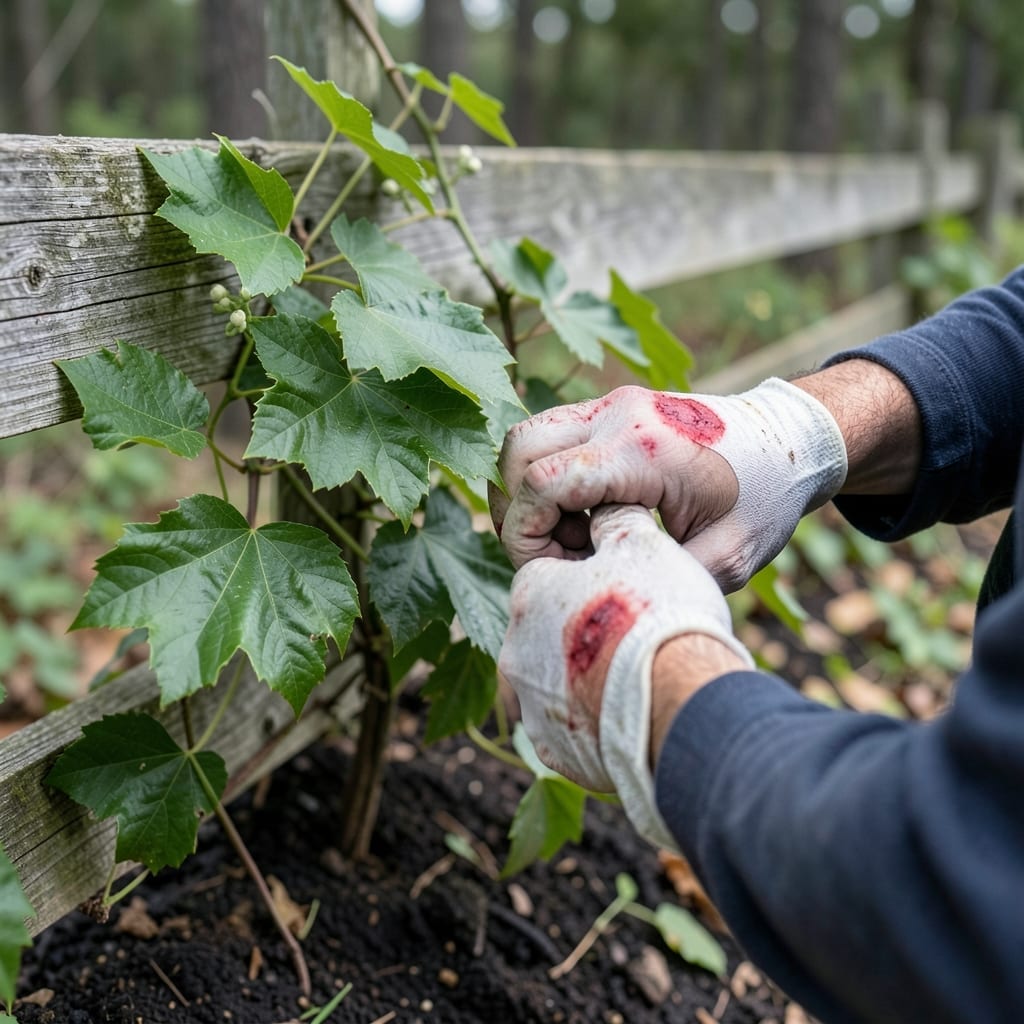
That itchy red rash is your skin screaming for help after a brush with poison ivy. I’ve learned the hard way that identification is your first defense—remember “leaves of three, let it be” for a reason.
The oil from these plants, urushiol, sticks to tools, gloves, even pet fur. Wash everything immediately with soap and cold water to stop the spread. The sooner you act, the milder the reaction.
For relief, cool compresses and calamine lotion work wonders. Severe cases might need a doctor’s visit, but most clear up in 1-3 weeks with proper care.
Prevention starts with spotting the plant before it spots you. Long sleeves, gloves, and careful cleanup keep you safe while you enjoy your garden.
The allergic poison ivy rash occurs due to an immune system reaction triggered by exposure to urushiol, an oily resin found in poison ivy, poison oak, and poison sumac. Here’s a breakdown of the primary causes:
Urushiol is the main culprit. This natural oil is present in the leaves, stems, and roots of poison ivy. When your skin comes into contact with it—either directly or indirectly (via contaminated tools, clothing, or pets)—your immune system recognizes it as a threat. In response, it releases histamines and other chemicals, leading to inflammation, itching, and the characteristic red, blistered rash.
Not everyone reacts to urushiol, but for those who do, the body’s immune system overreacts. This is a delayed hypersensitivity reaction, meaning symptoms typically appear 12 to 48 hours after exposure. The severity of the rash depends on your sensitivity and the amount of urushiol absorbed into the skin.
Urushiol can linger on surfaces, making indirect contact a common cause. Touching gardening tools, pet fur, or even clothing that’s brushed against poison ivy can transfer the oil to your skin. Additionally, burning poison ivy releases urushiol particles into the air, which can cause a rash if inhaled or land on the skin.
Understanding these triggers helps you take actionable steps to avoid exposure and seek timely treatment.
Dealing with an allergic reaction to poison ivy can be miserable, but these practical solutions will help you find relief fast. Here’s how to tackle the itch, redness, and swelling based on the cause.
If you’ve touched poison ivy, the first step is to rinse the affected area with cool water and mild soap (like dish soap) within 10–15 minutes. This removes the plant’s oil (urushiol), which causes the rash. Pro tip: 💡 Use a washcloth to gently scrub—avoid hot water, as it can open pores and spread the oil.
For mild rashes, cool compresses (damp cloth or ice pack wrapped in a towel) can reduce swelling and ease itching. Apply for 15–20 minutes, 3–4 times a day. Oatmeal baths or baking soda paste (mix with water) also calm irritation. Over-the-counter hydrocortisone cream or antihistamines (like Benadryl) help with persistent itching.
If the rash covers a large area, oozes, or appears on your face/genitals, see a doctor. They may prescribe oral steroids or stronger creams. Never pop blisters—this can lead to infection. Keep the area clean and dry, and cover with a sterile bandage if needed.
With quick action and the right care, you can shorten the rash’s lifespan (typically 1–3 weeks) and minimize discomfort. Stay patient and keep those hands away from the itch! ✨
Most rashes clear up in 1-3 weeks with proper care. Mild cases may resolve sooner, while severe reactions can take longer. Keep the area clean and avoid scratching to speed up healing.
No, the rash itself isn’t contagious. But urushiol oil can transfer from surfaces or unwashed skin. Wash clothes, tools, and pets thoroughly to prevent indirect exposure.
Seek medical help if the rash covers a large area, oozes, or appears on your face or genitals. A doctor may prescribe oral steroids for severe cases.
Yes, scratching can cause infection or spread bacteria. Use cool compresses or antihistamines to relief the itch instead.