
Beautiful Plants For Your Interior
Beautiful Plants For Your Interior
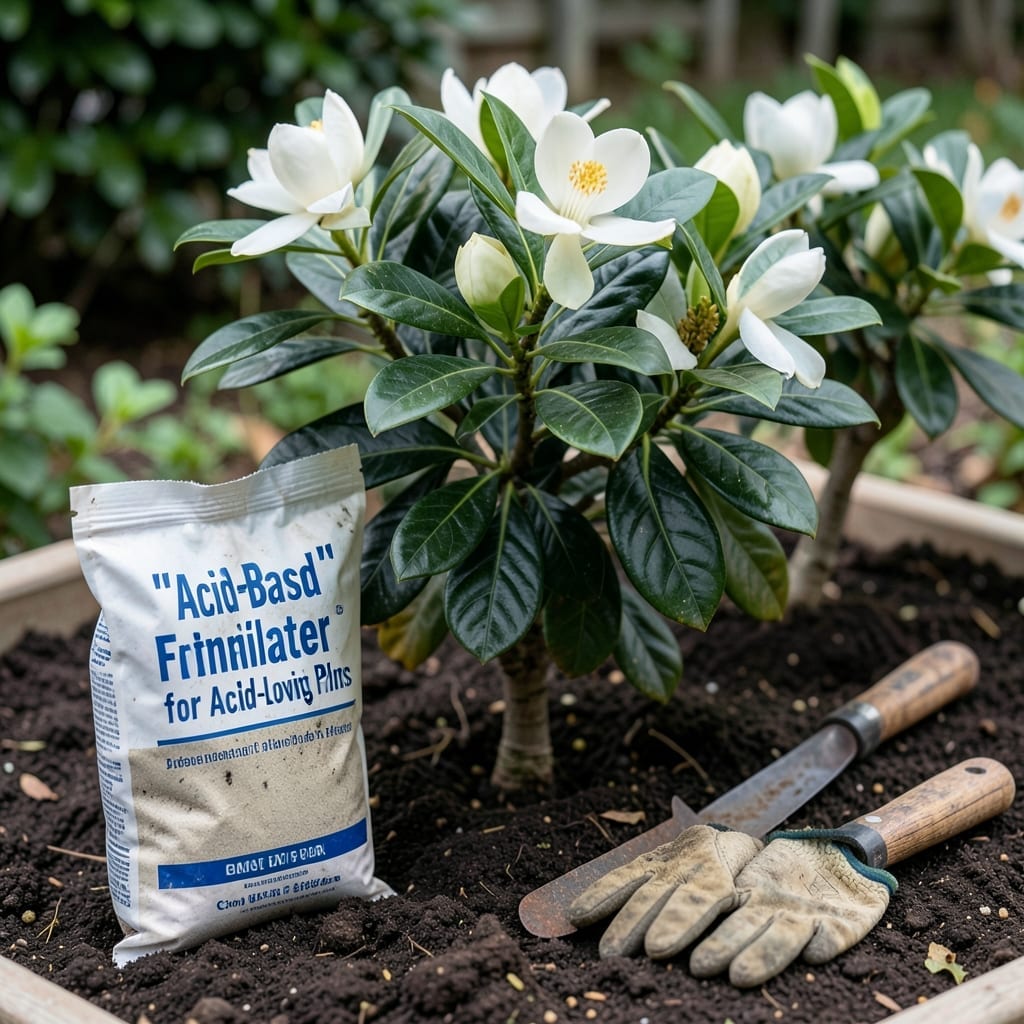
If your 🌸 Gardenia isn’t blooming like it should, the soil might be missing a key ingredient. These beautiful plants crave acidic conditions to thrive, and without them, their iconic white flowers can suffer.
I’ve seen firsthand how the right approach transforms struggling gardenias into vibrant showstoppers. The secret lies in understanding their unique needs and providing the perfect growing environment.
Discover how to give your gardenias the best chance at lush growth and abundant blooms with simple, effective strategies that work.
Choosing the best acid-based fertilizer for your gardenias can feel overwhelming with so many options available. I’ve tested various types, and the right choice depends on your plant’s specific needs and your gardening style.
Whether you prefer liquid fertilizers for quick absorption or granular options for slow release, each has its benefits. The key is finding a product with the right NPK ratio and micronutrients to support vibrant blooms and healthy foliage.
| Fertilizer Type | NPK Ratio | Best For | Application Method | Frequency |
|---|---|---|---|---|
| Miracle-Gro Water Soluble Azalea | 30-10-10 | Quick nutrient boost | Mix with water | Every 7-14 days |
| Espoma Organic Holly-Tone | 4-3-4 | Organic slow-release | Granular, work into soil | Every 4-6 weeks |
| Dr. Earth Acid Lovers | 3-4-4 | Organic, eco-friendly | Granular, top-dress | Every 2 months |
| Jobe’s Organics Azalea Fertilizer | 4-4-4 | Organic, biozome enriched | Granular, work into soil | Every 4-6 weeks |
| Jack’s Classic Acid Special | 17-6-6 | High nitrogen, rapid growth | Liquid, foliar or soil | Every 7-14 days |
I always recommend Espoma Organic Holly-Tone for beginners because it’s forgiving and provides steady nutrition. It’s organic, so it won’t burn your gardenias if you accidentally over-apply.
For those who want fast results, Miracle-Gro Water Soluble Azalea fertilizer is a great choice. Its 30-10-10 NPK ratio delivers a quick nutrient boost, perfect for reviving lackluster plants.
If you’re committed to organic gardening, Dr. Earth Acid Lovers is my top pick. It’s packed with beneficial microbes and mycorrhizae that improve soil health over time.
For heavy bloomers, Jack’s Classic Acid Special is a powerhouse. The 17-6-6 formula promotes lush foliage and abundant flowers, but use it sparingly to avoid over-fertilizing.
Remember, gardenias thrive in acidic soil with a pH between 5.0 and 6.0. Always test your soil before applying fertilizer to ensure you’re meeting their needs.
No matter which fertilizer you choose, consistency is key. Stick to a regular feeding schedule, and your gardenias will reward you with stunning blooms and healthy growth.
I’ve found that combining liquid feeds with granular fertilizers gives the best results, providing both immediate and long-term nutrition for my gardenias 🌸
Applying acid fertilizer correctly is crucial for gardenia health and abundant blooms. I’ve found that timing and technique make all the difference in achieving vibrant, long-lasting flowers.
Start feeding in early spring when new growth appears. This gives your gardenias the nutrients they need for a strong growing season and prolific blooming.
✅ Pro Tips for Applying Acid Fertilizer
For granular fertilizers, sprinkle around the drip line and gently work into the top inch of soil. This prevents root burn while ensuring nutrients reach the root zone.
With liquid fertilizers, I recommend applying in the early morning. This allows the plant to absorb nutrients before the heat of the day and reduces evaporation.
Watch for signs of over-fertilization like leaf burn or excessive foliage with few blooms. If this happens, flush the soil with water and reduce your feeding frequency.
Remember, gardenias are sensitive to pH changes. If your soil isn’t acidic enough, consider adding sulfur or peat moss to lower the pH before fertilizing.
Consistent feeding with the right technique will keep your gardenias blooming beautifully all season long 🌸