
Beautiful Plants For Your Interior
Beautiful Plants For Your Interior
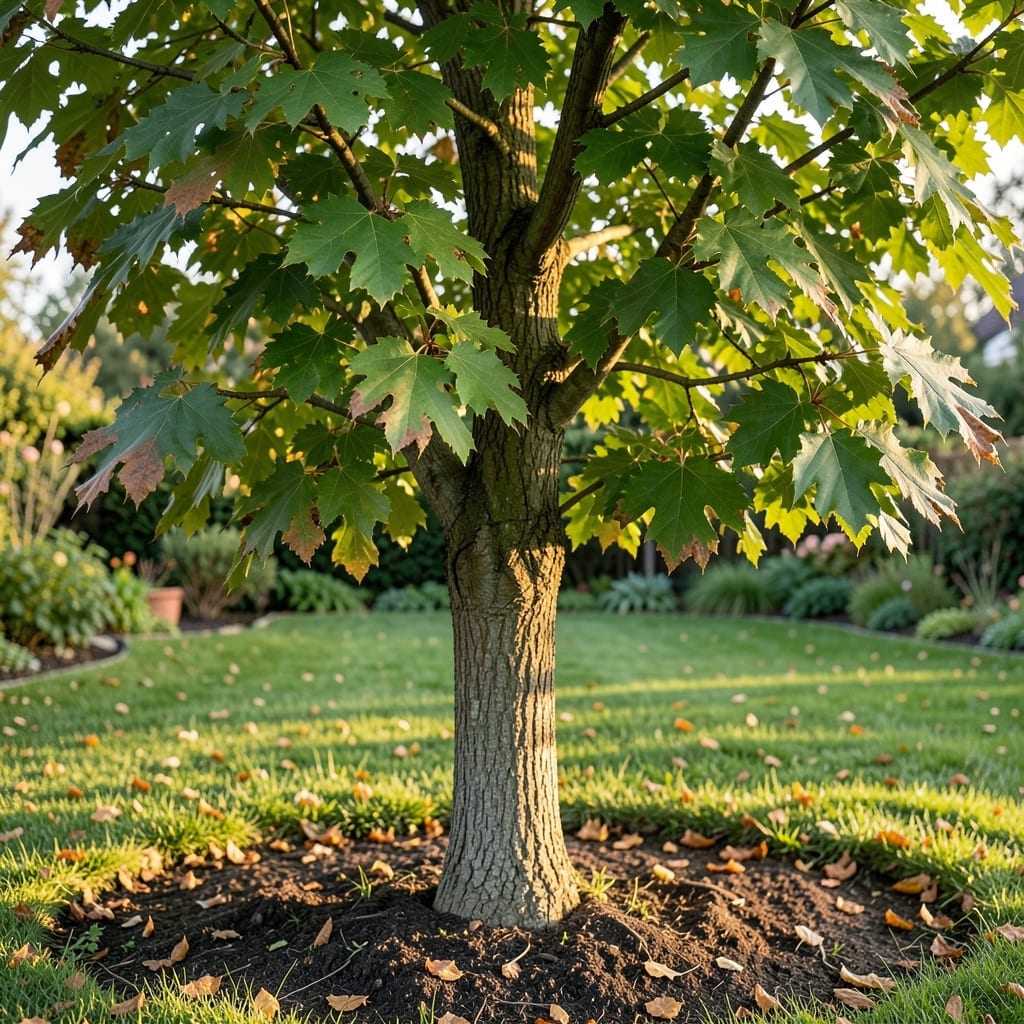
Brown tips on your acer leaves aren’t just unsightly—they’re your tree’s way of waving a white flag. I’ve seen this happen to my own Japanese maple after a dry summer, and the fix is simpler than you’d think.
Most cases come down to stress: too little water, too much sun, or soil that’s holding its breath. The good news? Your tree isn’t doomed. With a few adjustments to watering, mulching, and maybe a bit of shade, you’ll see green returning within weeks.
Prevention is even easier. Once you dial in the right conditions, your acer will reward you with vibrant foliage all season long. No fancy tools or expensive treatments required.
This happens to gardeners at every level. The key is catching it early and responding with consistency, not panic.
Brown tips on acer (maple) tree leaves are a clear sign of stress. Several environmental and cultural factors can trigger this issue, each disrupting the tree’s natural processes in distinct ways. Below are the most common causes, explained with actionable insights.
Maples thrive in consistently moist but well-drained soil. Underwatering leads to dry, crispy leaf tips as the tree conserves water by sacrificing peripheral tissue. Conversely, overwatering suffocates roots, reducing their ability to absorb oxygen and nutrients. This causes root rot and subsequent leaf tip necrosis. Check soil moisture 2 inches deep—it should feel like a wrung-out sponge.
Extreme temperatures, drought, or heatwaves force the tree to prioritize survival over leaf health. High temperatures accelerate transpiration, leading to water loss faster than the roots can replenish. Similarly, frost damage in late spring or early fall can cause cellular collapse in tender new growth, manifesting as brown tips.
Acer trees prefer slightly acidic to neutral soil (pH 6.0–7.0). Alkaline soil (pH > 7.5) locks out essential nutrients like iron, manganese, or zinc, leading to deficiencies that manifest as interveinal chlorosis (yellowing between veins) followed by brown tips. A soil test can confirm imbalances; amend with sulfur or iron chelates as needed.
Excess salt from road runoff, de-icing agents, or fertilizer overuse causes osmotic stress. Roots absorb too much sodium, disrupting water uptake and leading to margin burn (brown edges/tips). Flush the soil with water to leach out salts, and avoid fertilizing during drought.
In dry, windy conditions, transpiration rates spike, especially for Japanese maples with delicate foliage. Without adequate humidity, leaf tips dry out. Mulching and windbreaks can mitigate this, as can grouping plants to create a microclimate.
Brown tips on your acer (Japanese maple) leaves can be frustrating, but most causes are fixable with a few adjustments. Below are targeted solutions for the most common issues, along with prevention tips to keep your tree thriving.
If the browning is due to intense sunlight or heat, move potted acers to a spot with dappled shade, especially during peak afternoon hours. For in-ground trees, use shade cloth temporarily. Water deeply in the early morning to help the tree recover. Mulch around the base to retain moisture and regulate soil temperature.
Prevention: Gradually acclimate your acer to sunlight if it’s been indoors or in heavy shade. Choose a planting spot with morning sun and afternoon shade for long-term health.
Check the soil 2 inches down—if it’s bone-dry, your tree needs water; if it’s soggy, it’s overwatered. Water only when the top inch of soil is dry, and ensure the pot or planting area has good drainage. For overwatered trees, let the soil dry out slightly before watering again and consider repotting in well-draining soil.
Prevention: Use a moisture meter to take the guesswork out of watering. Group potted acers with other plants to create a humid microclimate, reducing evaporation.
Brown tips from dry air or wind can be fixed by misting the leaves regularly or placing a tray of water near the tree to boost humidity. For outdoor trees, plant windbreaks like shrubs or use a fence to shield them from strong gusts.
Prevention: In dry climates, cluster plants together or use a humidifier nearby for indoor acers. Avoid placing them in drafty or windy areas.
If over-fertilization or salt buildup (from tap water or ice melt) is the culprit, flush the soil with distilled or rainwater to leach out excess salts. For potted trees, run water through the soil for 5–10 minutes, letting it drain freely. Reduce or stop fertilizing until the tree recovers.
Prevention: Use filtered or rainwater for irrigation, and fertilize sparingly—acer trees often thrive with minimal feeding.
Inspect leaves for pests like aphids or mites, or signs of fungal disease (e.g., spots, mildew). Spray with neem oil or insecticidal soap for pests, and remove heavily infested leaves. For fungal issues, improve air circulation and avoid wetting the foliage. Copper fungicide can help in severe cases.
Prevention: Keep the area around your acer clean and free of debris. Prune to improve airflow, and avoid overhead watering.
With these fixes, your acer’s leaves should bounce back in a few weeks. Stay consistent, and your tree will reward you with vibrant, healthy foliage!
Look for crispy, brown tips on leaves that face the brightest direction. Move potted trees to dappled shade and water deeply in the morning to help recovery.
Yes! Both extremes stress the tree. Check soil 2 inches deep—it should feel like a wrung-out sponge. Adjust watering if it’s bone-dry or soggy.
Flush with distilled or rainwater for 5–10 minutes, letting it drain freely. Use filtered water for future irrigation to prevent recurrence.
No, but new growth will be healthy. Trim the damaged tips to improve appearance and focus the tree’s energy on recovery.