
Beautiful Plants For Your Interior
Beautiful Plants For Your Interior
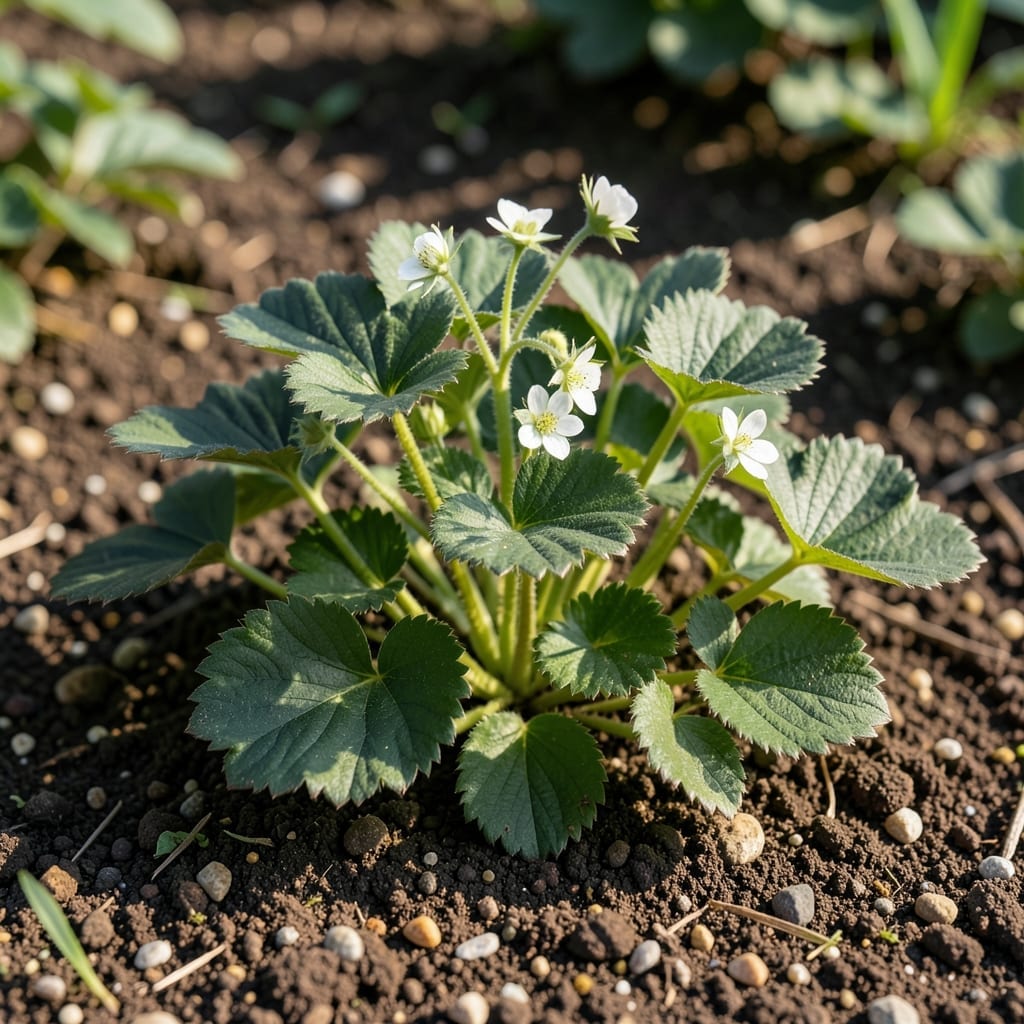
Three leaves with jagged edges always catch my eye in the garden. 🌿 These plants often belong to the same family, sharing care needs that make them surprisingly beginner-friendly once you know what to look for.
I’ve grown several varieties, and the key is matching their natural habitat. Most thrive in partial shade with consistent moisture, though some tolerate drier spells once established. The jagged edges are actually a clue about their light preferences.
You’ll find these plants in wooded areas or as understory species, which means they don’t demand full sun. A little morning light and afternoon shade usually does the trick, and they’ll reward you with vibrant foliage all season.
From ground covers to statement shrubs, there’s a three-leaf jagged plant for every space. Here’s how to identify yours and give it exactly what it needs.
Jagged edges on the leaves of a three-leaf plant often signal environmental or biological stress. Below are the most common causes, explained with actionable insights.
Some plants, like Trifolium (clover) or Oxalis (wood sorrel), naturally develop serrated or lobed leaves as part of their genetic makeup. These jagged edges can help deter herbivores or reduce water loss in dry climates. Action: If the plant is otherwise healthy, no intervention is needed—it’s just nature’s design!
Inconsistent watering—either overwatering or underwatering—can cause leaf margins to become irregular or jagged. Overwatering leads to root rot, which disrupts nutrient uptake, while underwatering forces the plant to conserve moisture by altering leaf shape. Action: Check soil moisture 1-2 inches deep; water when the top layer feels dry, but ensure proper drainage.
A lack of essential nutrients, particularly magnesium or iron, can cause leaf deformities, including jagged edges. Magnesium deficiency often appears as yellowing between leaf veins, while iron deficiency leads to overall pallor. Action: Use a balanced, slow-release fertilizer or amend the soil with compost. For quick fixes, apply a foliar spray of Epsom salt (magnesium sulfate) or chelated iron.
Insects like aphids, mites, or leaf miners feed on new growth, distorting leaf development and creating ragged edges. Action: Inspect the undersides of leaves for pests or webbing. Treat with neem oil or insecticidal soap, and isolate heavily infested plants to prevent spread.
Sudden temperature swings or exposure to frost can damage new leaf growth, resulting in irregular, jagged margins. Tropical plants are especially sensitive to cold drafts. Action: Keep indoor plants away from AC vents or drafty windows, and use row covers for outdoor plants during unexpected cold snaps.
If your three-leaf plant with jagged edges is looking a little worse for wear, don’t worry—most problems are easy to tackle with the right approach. Below are practical solutions to common issues, along with tips to keep your plant thriving.
Cause: Overwatering or poor drainage.
Fix: Let the soil dry out between waterings. Ensure your pot has drainage holes, and consider repotting with fresh, well-draining soil. Trim any yellow leaves to redirect energy to healthy growth.
💡 Prevention Tip: Use a moisture meter or stick your finger an inch into the soil—only water if it feels dry.
Cause: Low humidity or underwatering.
Fix: Mist the leaves regularly or place a humidifier nearby. If the soil is bone-dry, give it a thorough watering until it drains from the bottom. Grouping plants together can also boost humidity.
💡 Prevention Tip: Keep your plant away from heaters or vents that dry out the air.
Cause: Spider mites, aphids, or mealybugs.
Fix: Wipe leaves with a damp cloth or spray with a mix of water and mild soap. For stubborn pests, use neem oil or insecticidal soap. Isolate the plant to prevent spreading.
💡 Prevention Tip: Inspect new plants before bringing them home, and clean leaves regularly to deter pests.
Cause: Insufficient light.
Fix: Move your plant to a brighter spot with indirect sunlight. Rotate it occasionally for even growth. If it’s severely leggy, prune the stems to encourage bushier growth.
💡 Prevention Tip: Avoid deep shade—most jagged-edge plants need moderate to bright light to stay compact.
Wood sorrel and clover are classic examples with 3 leaves and serrated edges. These thrive in partial shade with moist, well-draining soil.
New leaves may develop jagged edges from pest damage or nutrient deficiencies. Check for insects and ensure adequate magnesium or iron levels.
Yes! Most adapt well to indoor conditions with bright, indirect light. Avoid drafts and maintain consistent moisture for best results.