
Beautiful Plants For Your Interior
Beautiful Plants For Your Interior
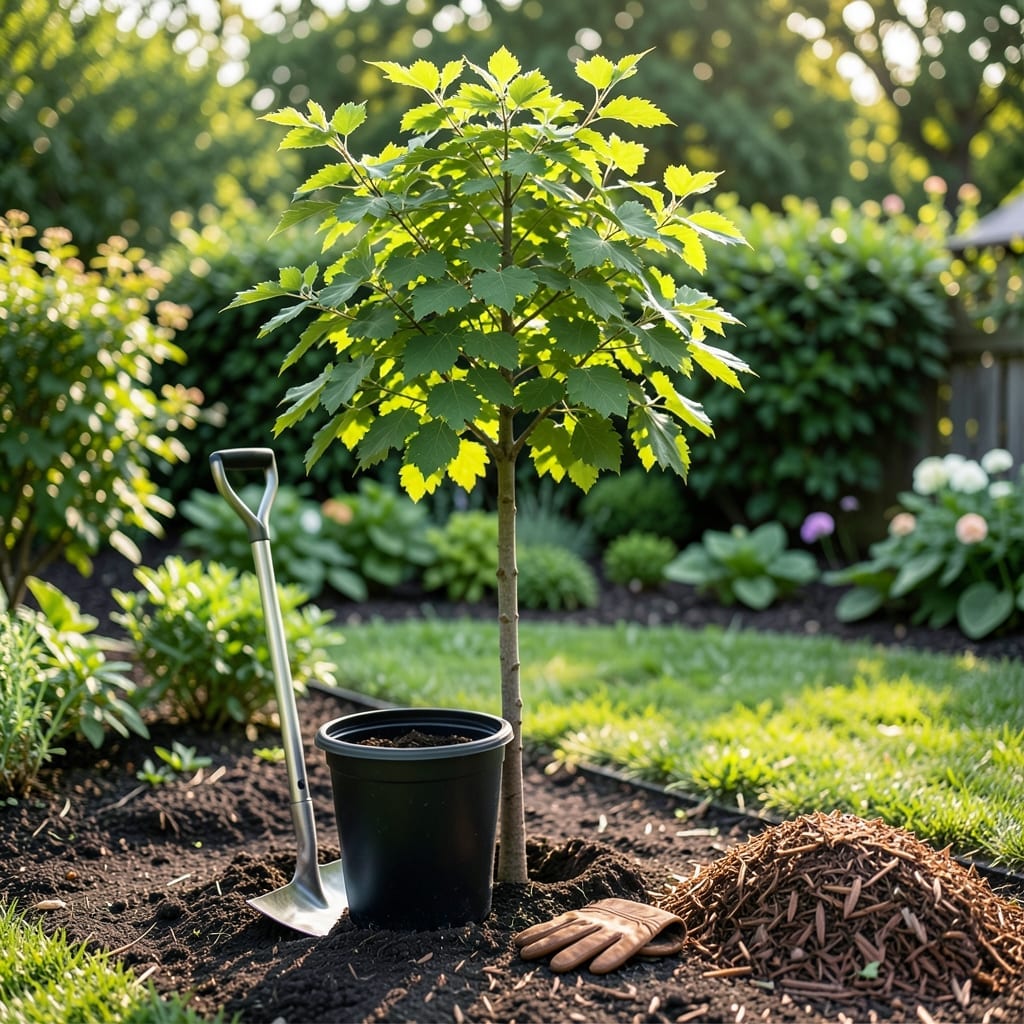
Planning your landscape but unsure about tree sizes? Understanding what a 15 gallon container means for your 🌳 Tree can make all the difference in spacing and growth.
These trees typically offer a balanced size that fits well in most yards without overwhelming the space. Knowing their dimensions helps you visualize how they’ll look in your garden.
I’ll guide you through everything from typical measurements to planting tips, so you can confidently choose and place your next Tree.


When I first encountered 15 gallon trees, I was surprised by their versatile size. These containers typically hold trees that are 4 to 8 feet tall, with a root ball about 18 to 24 inches wide.
This size is ideal for young trees that have established roots but still need room to grow. The canopy spread often matches the height, creating a balanced appearance in your landscape.
| Measurement | Specification |
|---|---|
| Height | 4-8 feet |
| Root Ball Diameter | 18-24 inches |
| Canopy Spread | 4-6 feet |
| Trunk Caliper | 1-2 inches |
The root ball size is crucial because it determines how much space the tree needs for planting. I always recommend digging a hole twice as wide as the root ball but no deeper.
For Japanese Maples or Crape Myrtles, which are common in this size, expect a mature height of 10-20 feet. These trees are perfect for small to medium landscapes.
I’ve found that 15 gallon trees establish quicker than smaller ones but are still manageable to plant without heavy machinery. Their size makes them ideal for instant impact in your garden.
The trunk caliper (diameter) at this stage is usually 1 to 2 inches. This thickness indicates a tree that’s strong enough to handle transplanting but still young enough to adapt well.
When planning, remember that the canopy spread will grow significantly. For example, a Crape Myrtle might spread 10-15 feet at maturity, so give it room to thrive.
I always suggest checking the specific species you’re planting, as dimensions can vary. Some trees, like Dwarf Varieties, stay smaller, while others will grow much larger over time.
Proper spacing prevents future crowding and ensures your tree has enough sunlight and nutrients to grow strong and healthy.
Selecting the perfect 15 gallon tree starts with understanding your space constraints and growing conditions. I always recommend measuring the area first to ensure proper fit as the tree matures.
Consider the mature height and canopy spread of your chosen species. A Japanese Maple may stay compact, while a Crape Myrtle can grow much wider over time.
The soil type in your yard plays a crucial role in tree health. I’ve seen 15 gallon trees struggle in heavy clay unless amended properly. Always test your soil before planting.
Sunlight exposure is another critical factor. Most 15 gallon trees need at least 6 hours of direct sunlight daily. Observe your yard’s sun patterns throughout the day to choose the right spot.
For small spaces, consider dwarf varieties like Dwarf Japanese Maples. These stay under 10 feet tall and work well in container gardens or near patios.
If you’re planting near structures, remember that roots can spread 2-3 times the canopy width. I always advise keeping trees at least 10 feet away from buildings to prevent future issues.
Finally, think about your landscape goals. Whether you want shade, privacy, or seasonal color, there’s a 15 gallon tree that can meet your needs while fitting perfectly in your space. 🌳