
Beautiful Plants For Your Interior
Beautiful Plants For Your Interior
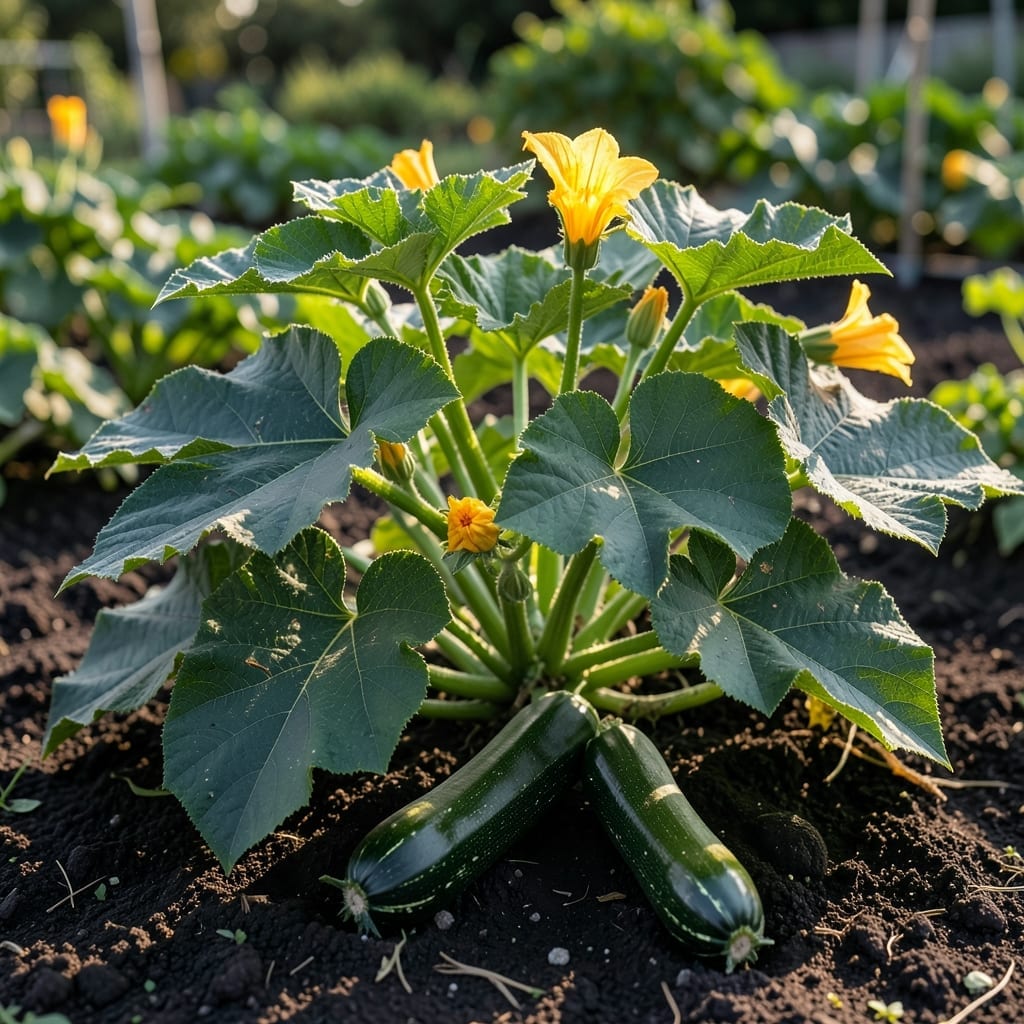
Zucchini plants can grow surprisingly large, often catching new gardeners off guard with their sprawling vines and massive leaves. Understanding their mature size is key to proper spacing and a bountiful harvest.
I remember the first time I planted 🥒 Zucchini in my garden. Those tiny seedlings transformed into 2-4 ft tall behemoths that spread widely, taking over more space than I expected.
Whether you’re working with a small balcony garden or a spacious backyard, knowing how big these plants get helps you plan effectively. The right spacing prevents disease and ensures healthy growth.
Discover how to give your Zucchini plants the room they need to thrive. Let’s explore the details together.
Zucchini plants are prolific growers that can reach impressive sizes if given the right conditions. Most varieties mature to 2-4 feet tall with a 3-6 foot spread, though some compact types stay smaller.
I’ve seen vining types stretch 6-8 feet long when left unchecked, while bush varieties stay more contained at 2-3 feet wide. Their large, lobed leaves can grow up to 12 inches across, creating a dense canopy.
| Growth Aspect | Typical Size |
| Height | 2-4 ft |
| Spread | 3-6 ft (vining up to 8 ft) |
| Leaf Size | Up to 12 inches |
| Stem Thickness | 0.5-1 inch diameter |
The growth rate is rapid—under ideal conditions, zucchini can grow 1-2 inches per day. This fast growth means you’ll need to monitor space regularly to prevent overcrowding.
Vining varieties like ‘Black Beauty’ or ‘Cocozelle’ spread aggressively, while bush types such as ‘Eight Ball’ or ‘Patio Star’ are better for small gardens or containers.
Root systems are shallow but extensive, often spreading 1-2 feet outward. This makes them sensitive to soil moisture and competition from weeds. I always mulch heavily to retain moisture and suppress weeds.
The stem thickness of a mature plant can reach 0.5-1 inch in diameter, supporting the weight of both foliage and developing fruit. Proper support is crucial for vining types to prevent stem breakage.
In my experience, pruning excess leaves can improve air circulation and reduce disease risk. However, avoid removing too many leaves, as they’re essential for photosynthesis and fruit production.
For container gardening, choose compact varieties and ensure pots are at least 5 gallons in size. Even dwarf types need ample root space to reach their full potential.
Remember, zucchini plants are heavy feeders. They’ll reward you with abundant harvests if given enough room to grow and thrive 🌱
Proper garden spacing is crucial for healthy zucchini plants. These vigorous growers need room to spread their large leaves and vines without competing for nutrients or sunlight.
I always recommend giving each plant at least 2-3 feet of space in all directions. This prevents overcrowding and reduces the risk of fungal diseases caused by poor air circulation. 🌱
When planting in rows, I maintain 4-6 feet between them to allow easy access for harvesting and maintenance. This spacing also helps with water distribution and prevents soil compaction.
Container gardening requires special attention. Each zucchini plant needs a 5-gallon container at minimum, with drainage holes to prevent root rot. Smaller pots will restrict growth.
For those with limited space, vertical growing is a game-changer. Use sturdy trellises or cages to train vines upward. This method can reduce the footprint by 50% while still producing abundant fruit. ☀️
Remember, poor spacing leads to smaller yields and increased disease susceptibility. Give your zucchini plants the room they need to reach their full 2-4 ft potential.