
Beautiful Plants For Your Interior
Beautiful Plants For Your Interior
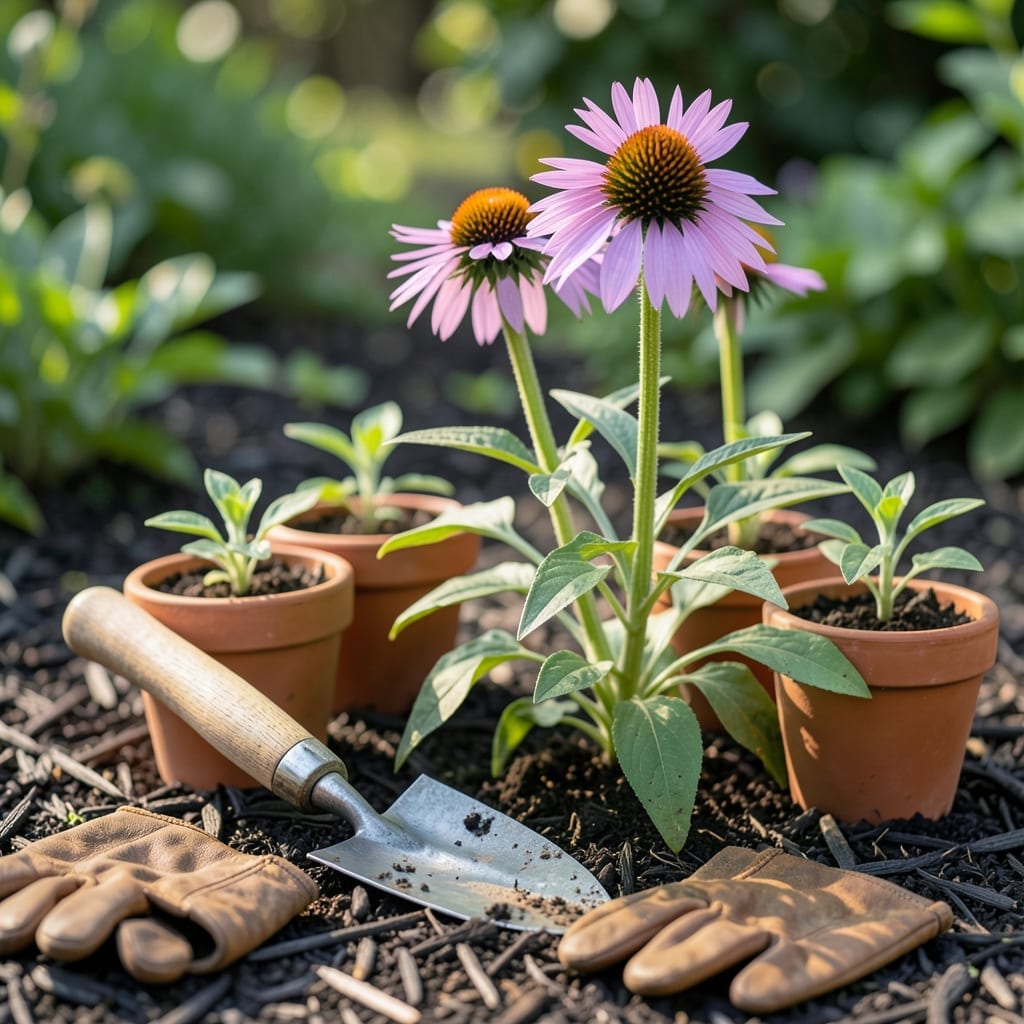
Timing is everything when planting 🌸 Perennials in Zone 5, where cold winters and warm summers demand precise scheduling.
This isn’t just about throwing seeds in the ground and hoping for the best. You’ll need to work with nature’s rhythm to get vibrant, year-round blooms.
I’ve discovered that understanding your zone’s unique climate patterns is the key to success. It transforms gardening from a gamble into a rewarding science.
Let me walk you through the seasonal secrets that will maximize your garden’s potential and keep it thriving through every season.

In USDA Zone 5, timing your perennial planting is key to thriving plants. The region’s last frost typically hits around April 15, while the first frost arrives near October 15. This gives you 180 frost-free days to work with.
I’ve found that spring planting works best after the last frost, while fall planting should wrap up 4-6 weeks before the first frost. This ensures roots establish before winter’s chill.
| Season | Task | Timing |
|---|---|---|
| Spring | Plant new perennials | After last frost (April 15) |
| Spring | Divide existing perennials | Early spring or fall |
| Summer | Mulch and water | Weekly, 1-2 inches |
| Fall | Plant perennials | 4-6 weeks before first frost |
| Winter | Protect with mulch | After first hard frost |
Spring planting should start as soon as the soil is workable, usually in April or May. I always check for soil temperature above 50°F before putting plants in the ground.
For fall planting, aim for September to early October. This gives roots enough time to settle before the ground freezes. Coneflowers and black-eyed Susans are great choices for fall planting.
In summer, focus on maintenance. Keep your perennials well-watered, especially during dry spells. A 2-inch layer of mulch helps retain moisture and suppress weeds.
Winter care is simple but crucial. After the first hard frost, I add a thick layer of mulch around the base of my perennials to insulate the roots. This protects them from freezing temperatures.
If you’re planting bare-root perennials, soak them in water for a few hours before planting. This rehydrates the roots and gives them a stronger start in your Zone 5 garden.
For container-grown perennials, loosen the roots gently before planting. This encourages them to spread out and establish quickly in their new home.
Remember, soil prep is half the battle. I always amend my soil with compost or aged manure before planting. This boosts fertility and improves drainage, which perennials love.
In Zone 5, timing your perennial plantings right ensures vibrant blooms and healthy growth. I’ve found that spring and early fall are the sweet spots for most varieties. 🌸
For spring planting, aim for April to May, after the last frost. This gives roots time to establish before summer heat. Fall planting should wrap up by mid-October to avoid winter stress. ✂️
| Perennial | Planting Time | Bloom Period |
|---|---|---|
| Coneflowers | April-May or Sept-Oct | Summer-Fall |
| Hostas | Spring or Early Fall | Summer |
| Black-Eyed Susans | April-June | Mid-Summer to Frost |
Coneflowers thrive with full sun and well-drained soil. I plant mine in April for early summer blooms. They’re drought-tolerant once established. 🌿
Hostas prefer partial shade and moist soil. Plant them in spring or early fall for lush foliage. Their leaves add texture to any garden.
Black-eyed Susans are low-maintenance and drought-resistant. I love their golden-yellow blooms from July to frost. Plant in spring for best results.
Remember, soil prep is key. I always amend with compost before planting. This boosts root growth and flower production. 🌱