
Beautiful Plants For Your Interior
Beautiful Plants For Your Interior
Gardening in cold climates doesn’t mean sacrificing beauty or fruit. These 10 zone 3 cherry trees thrive in freezing temperatures, offering stunning blooms and delicious harvests even in the harshest winters.
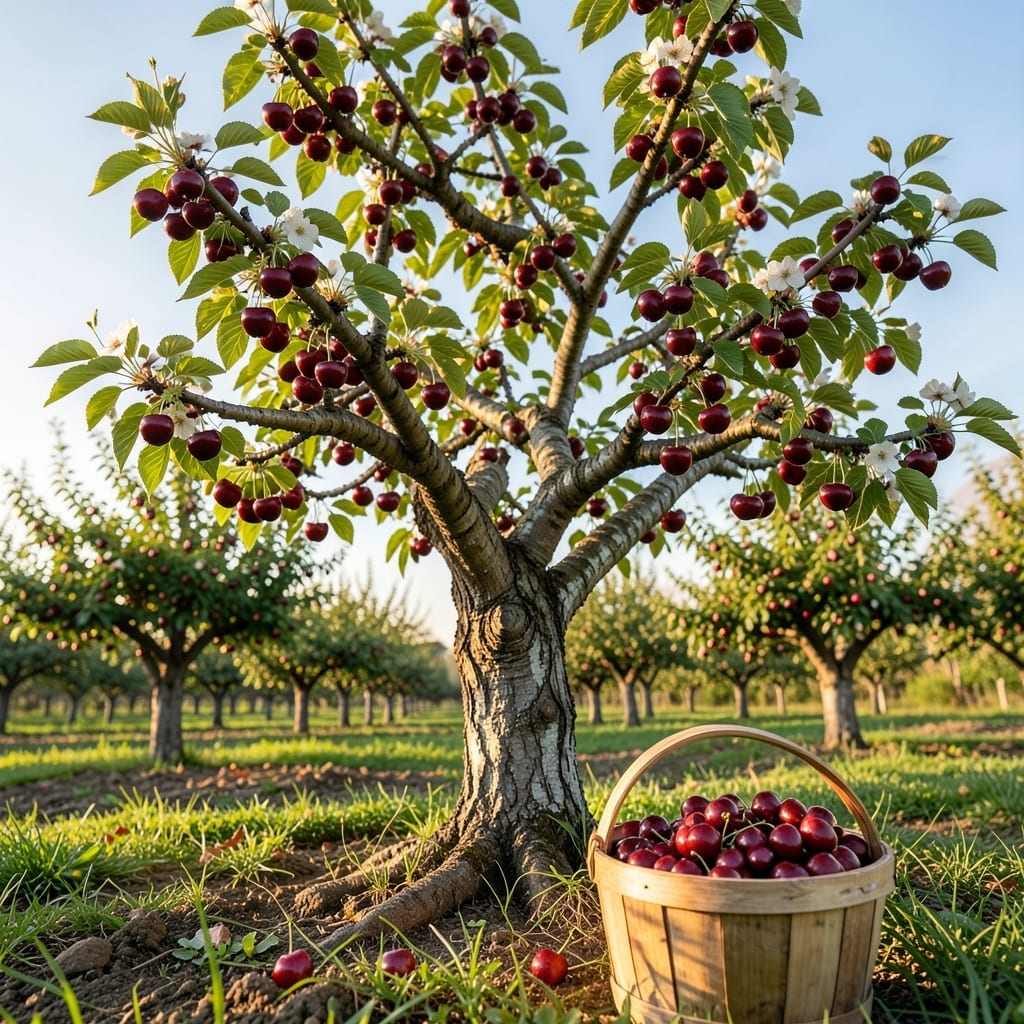
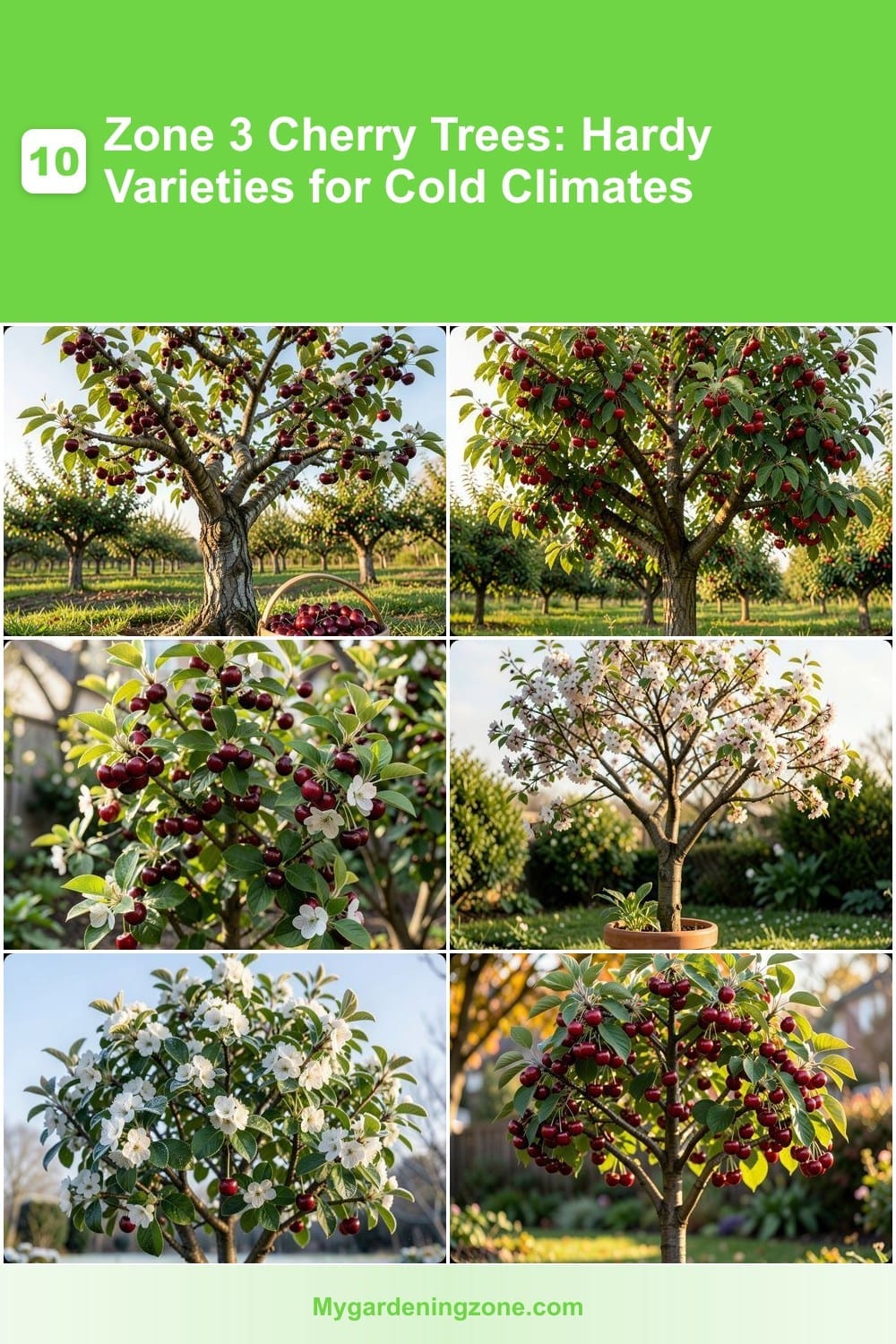
Late frosts won’t stop your harvest with the Sour Cherry Evans Bali. This classic variety thrives in zone 3 climates, producing abundant tart cherries perfect for preserves and pies.
Its frost-resistant blooms appear later in spring, dodging unexpected cold snaps that damage less-hardy trees. You’ll enjoy reliable yields year after year with minimal fuss, as this tree stands up to harsh winters without protection.
Ideal for gardeners who want low-maintenance fruit production, it delivers both beauty and function. 🌱
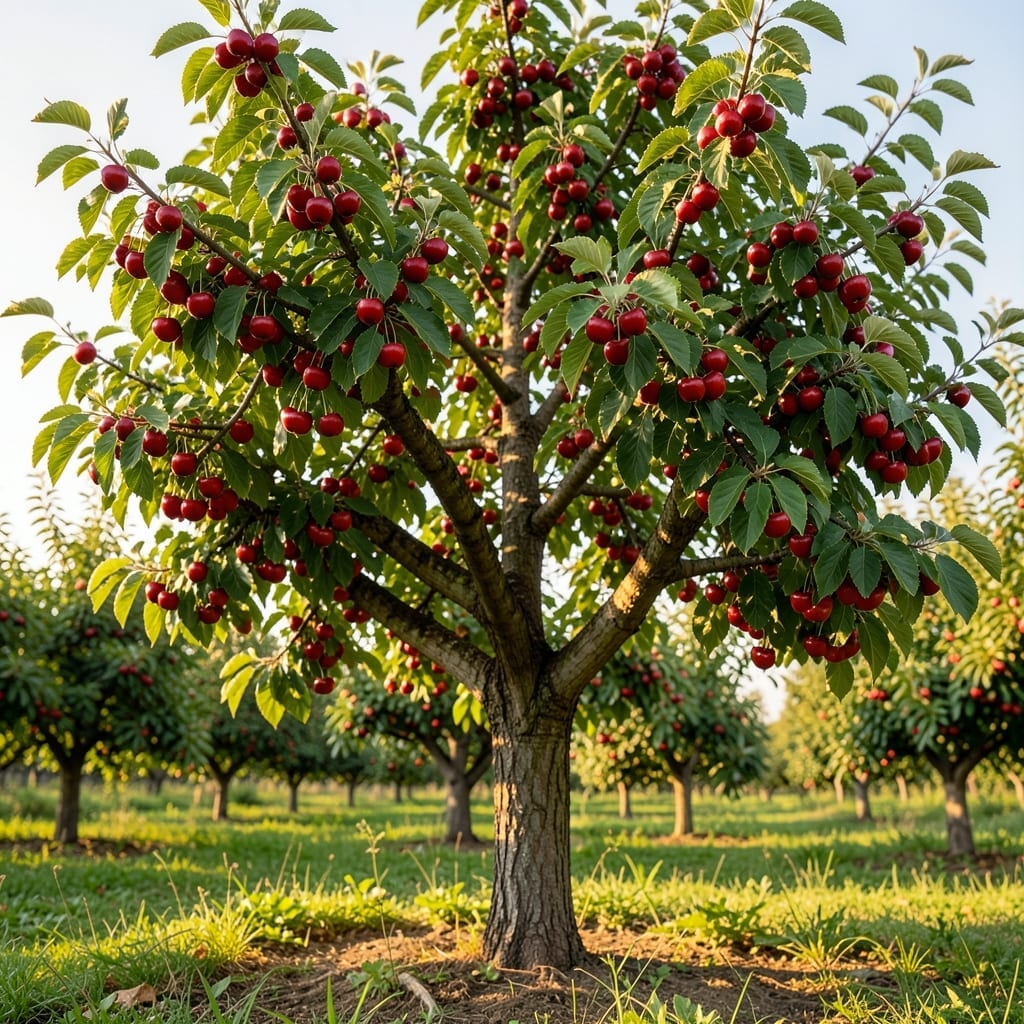
For zone 3 gardeners craving abundant tart cherries, the Montmorency Cherry Tree is a top performer. This self-pollinating variety eliminates the need for a second tree, making it perfect for small spaces or solo plantings.
Expect heavy yields of bright red fruit that ripens in mid-summer, ideal for preserving or fresh use. It handles cold winters with ease and adapts well to various soil types, as long as drainage is good. Minimal pruning keeps it healthy and productive for decades.
Baking and canning enthusiasts will love its reliable harvests and classic tart flavor. 🌱
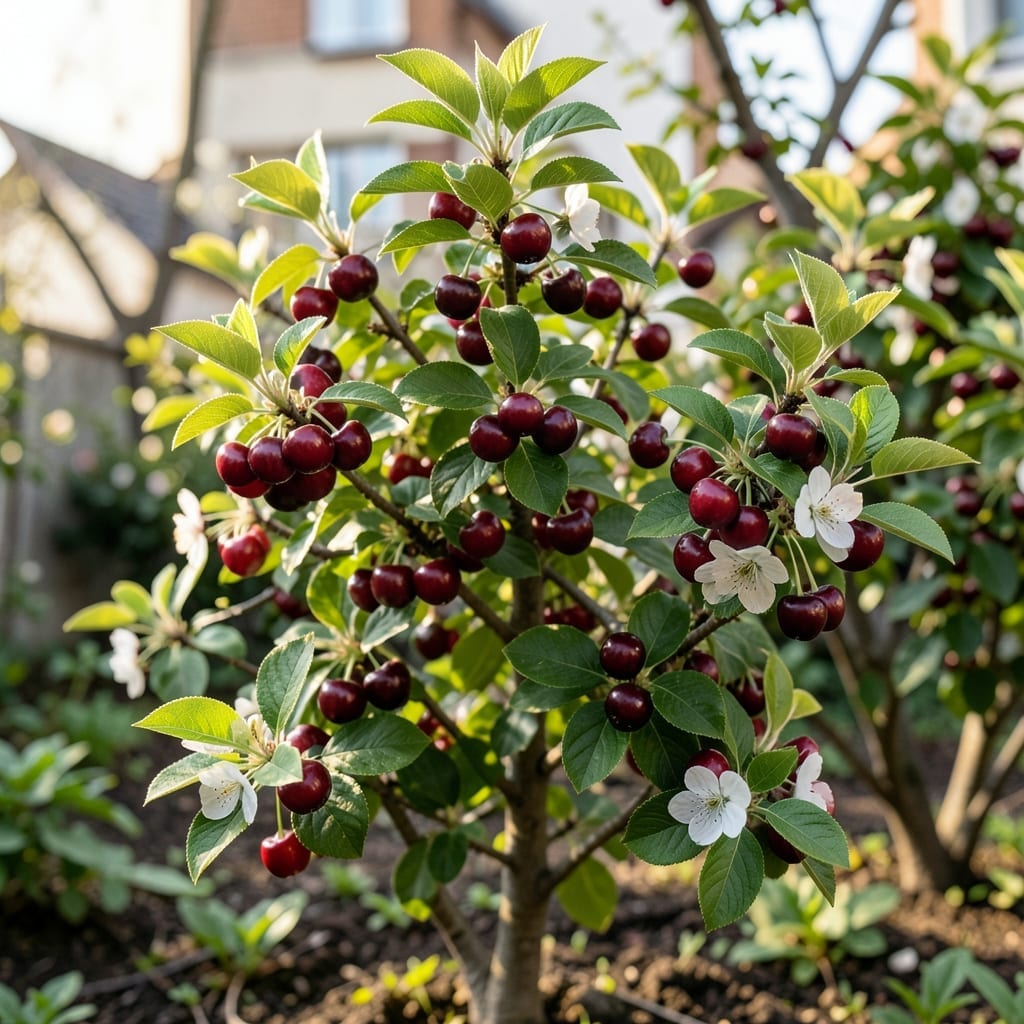
Short on space but big on flavor? The Nanking Bush Cherry brings dual rewards to tiny gardens. This compact shrub reaches just 4–6 feet tall, fitting perfectly in urban yards or container plantings.
It bursts with fragrant white blossoms in spring, followed by clusters of deep red, tart-sweet cherries that birds and gardeners alike adore. Drought-tolerant and low-maintenance, it thrives in full sun to partial shade with minimal pruning.
Urban gardeners will love its adaptability and year-round interest, from spring blooms to fall foliage. 🌿
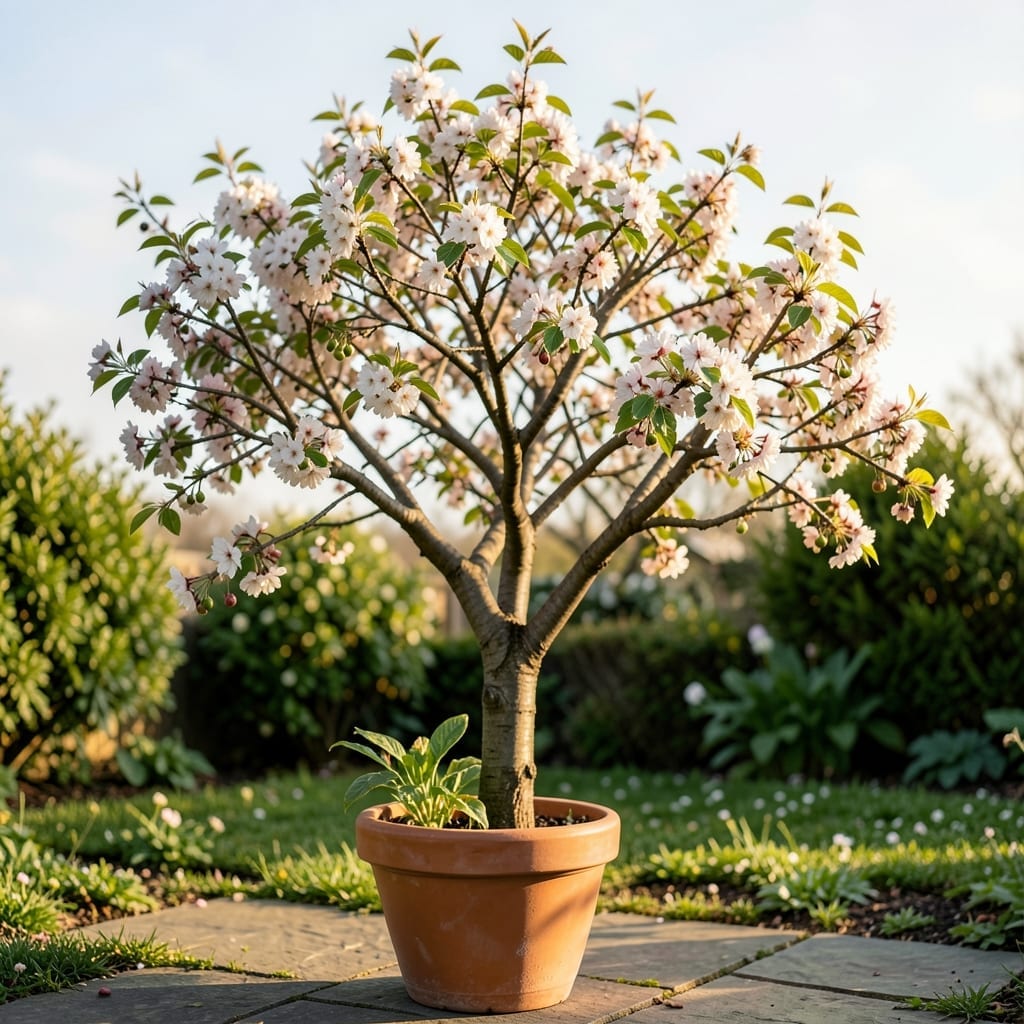
Tired of late frosts ruining your cherry harvest? The Meteor Cherry Tree blooms early but smartly avoids spring cold snaps, making it a reliable choice for zone 3 gardens.
Its compact size thrives in containers, perfect for patios or small yards. You’ll enjoy abundant sweet-tart cherries that are ideal for fresh eating right off the tree. Minimal pruning and adaptability to various soil types make it a low-maintenance delight.
Urban gardeners and container enthusiasts will love its versatility and consistent fruit production. 🌱
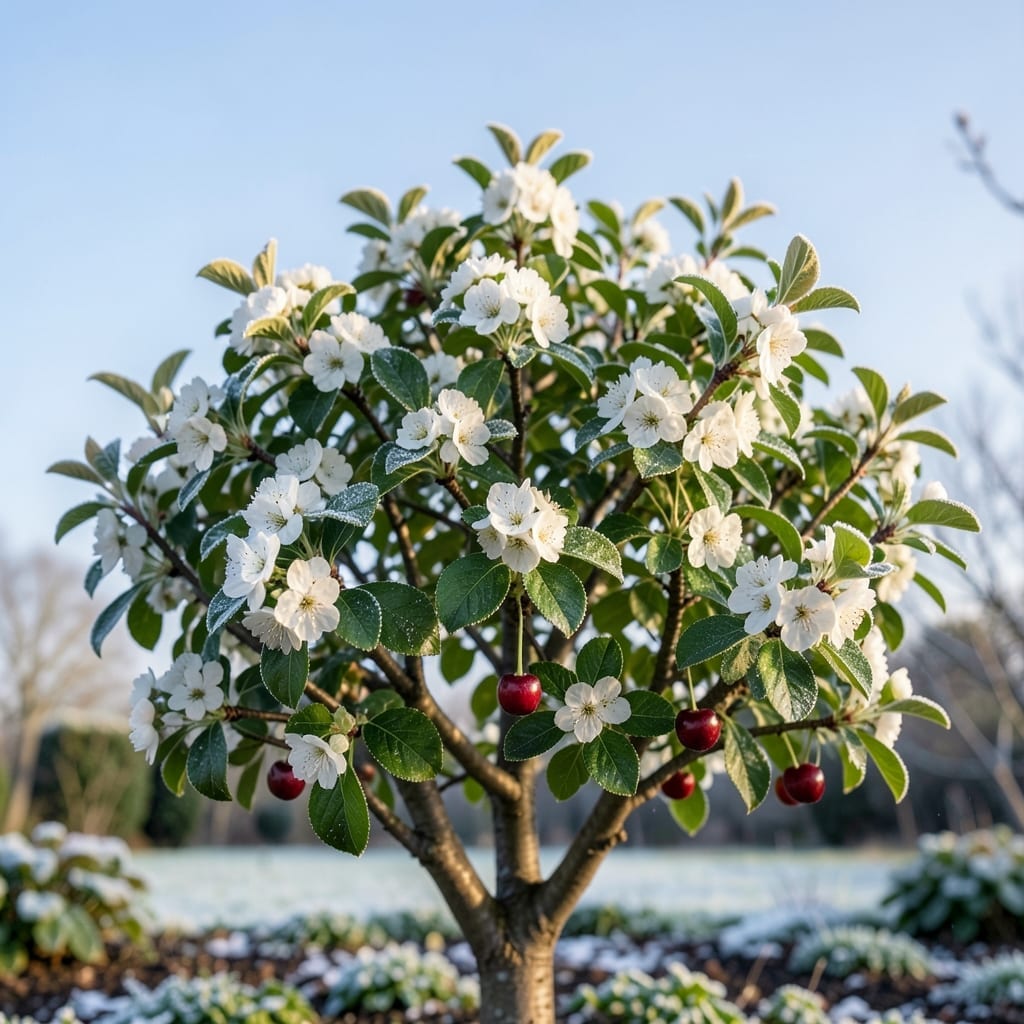
For beginner gardeners in zone 3, the North Star Dwarf Cherry is a game-changer. This dwarf variety was specifically bred to handle harsh winters and short growing seasons.
It’s self-fertile, so you don’t need a second tree for pollination, and its fruit is resistant to cracking, even in wet weather. Compact in size, it fits easily into small yards or gardens.
You’ll enjoy reliable harvests of sweet-tart cherries with minimal effort, making it an ideal choice for those just starting out. 🌱
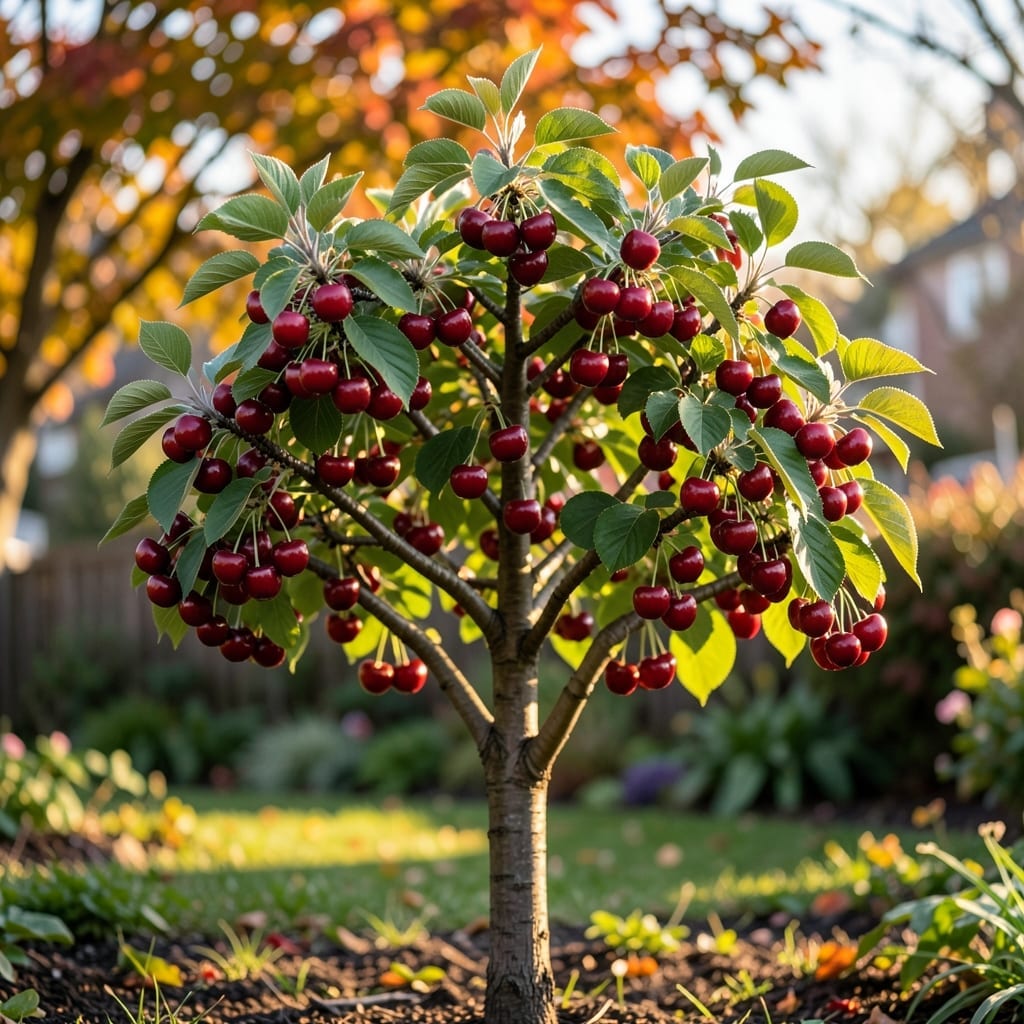
For gardeners who want both beauty and bounty, the Carmine Jewel Dwarf Cherry is a standout. This Canadian-bred tree delivers glossy red fruit in summer and transforms into a fiery spectacle in fall.
Compact at just 6-8 feet tall, it fits perfectly in edible landscapes, borders, or small yards. The fruit is sweet-tart and ideal for fresh eating, while its disease-resistant nature means less work for you. It thrives in full sun and well-drained soil, tolerating the toughest zone 3 winters.
Perfect for those who want a tree that’s as decorative as it is productive, it offers year-round visual appeal. 🌿
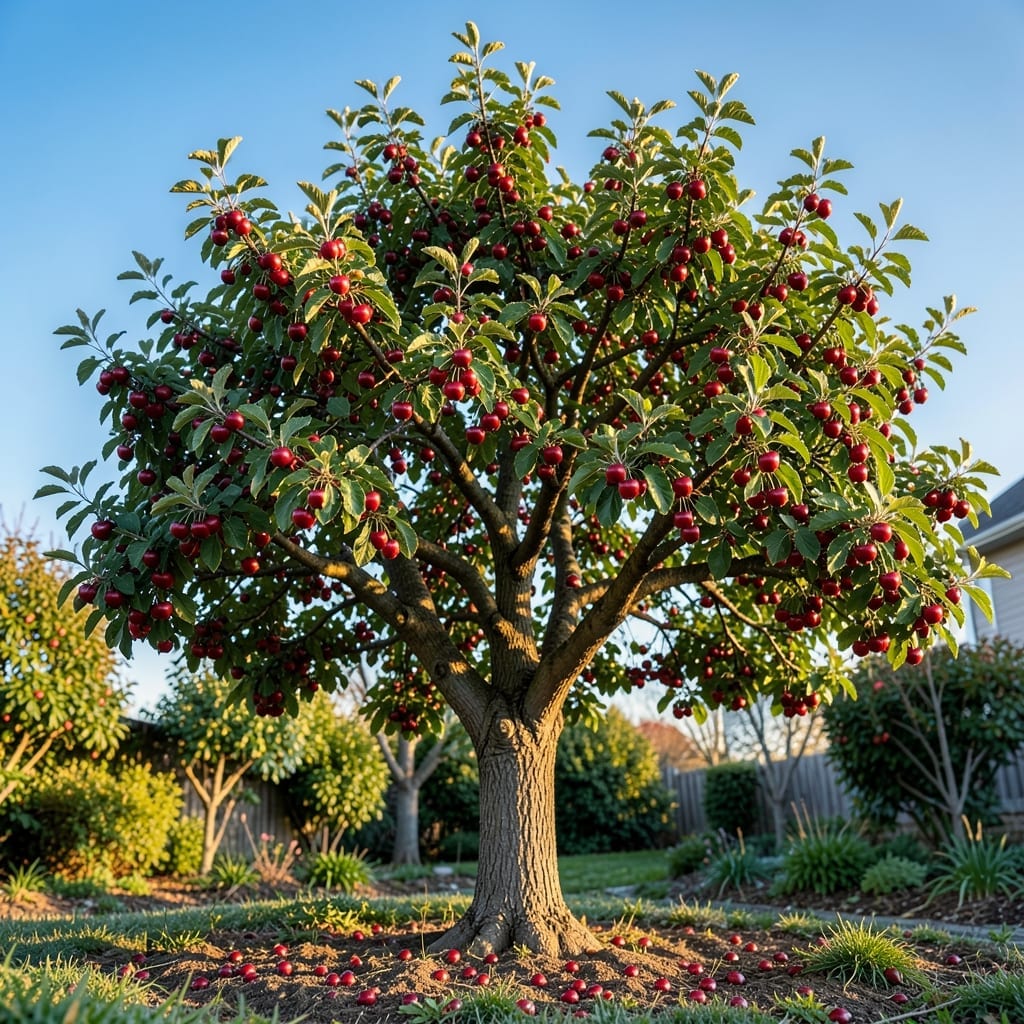
Want sweet cherries that laugh at zone 3 winters? The Juliet Cherry Tree is your cold-weather champion, bred to withstand temperatures down to -40°F without breaking a sweat.
Its late-blooming habit means it sidesteps spring frosts that often ruin other cherry harvests. You’ll get a reliable crop of firm, glossy cherries perfect for fresh snacking—no canning required. Plus, its natural resistance to common diseases like leaf spot keeps maintenance minimal.
Ideal for gardeners who want fuss-free, delicious fruit straight from the tree. 🌱
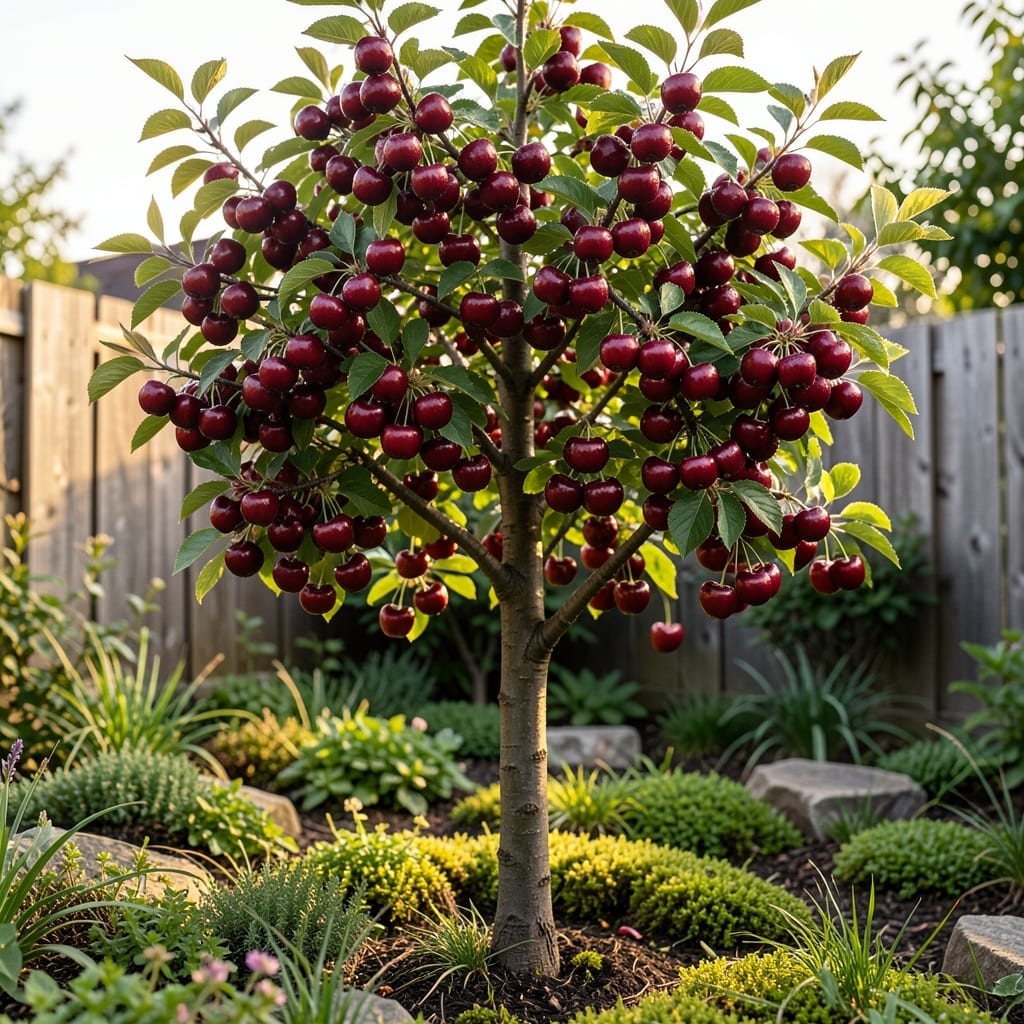
Short growing seasons don’t have to mean small harvests. The Crimson Passion Cherry delivers large, flavorful fruit early in the season, giving you a head start on summer enjoying.
This self-pollinating and compact tree eliminates the need for a second variety, making it perfect for small spaces or solo plantings. It thrives in zone 3 climates, withstanding late frosts and cold winters while producing abundant cherries ideal for fresh eating.
Gardeners with limited time or space will love its low-maintenance nature and reliable yields. 🌱
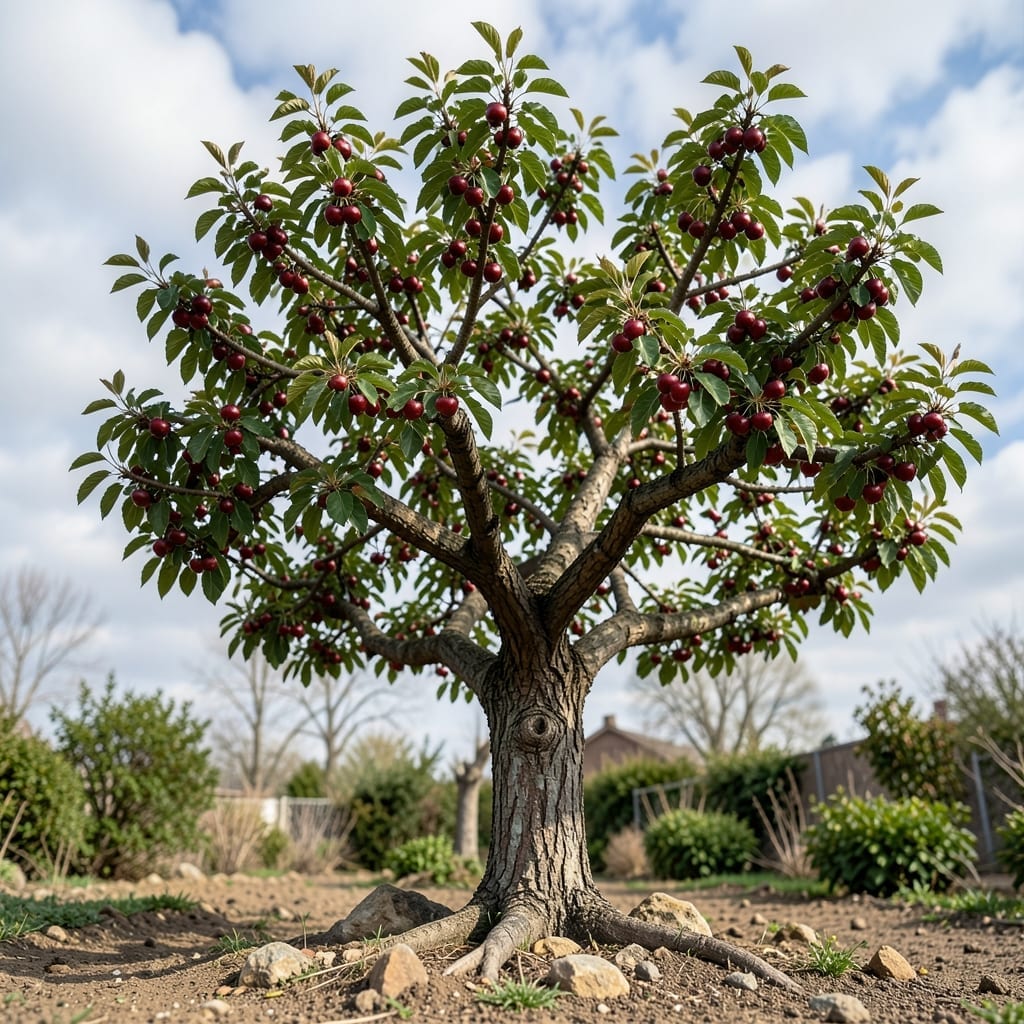
Struggling with poor soil or unpredictable cold snaps? The Goodland Cherry Tree thrives where others falter, making it a top pick for challenging zone 3 sites.
This hardy hybrid produces sweet cherries without demanding perfect conditions. It tolerates less-than-ideal soil, cold temperature swings, and even late frosts, ensuring consistent fruit production year after year. Minimal pruning and care make it a hassle-free addition to any garden.
Perfect for gardeners with tough growing conditions who still want a productive, low-maintenance fruit tree. 🌱
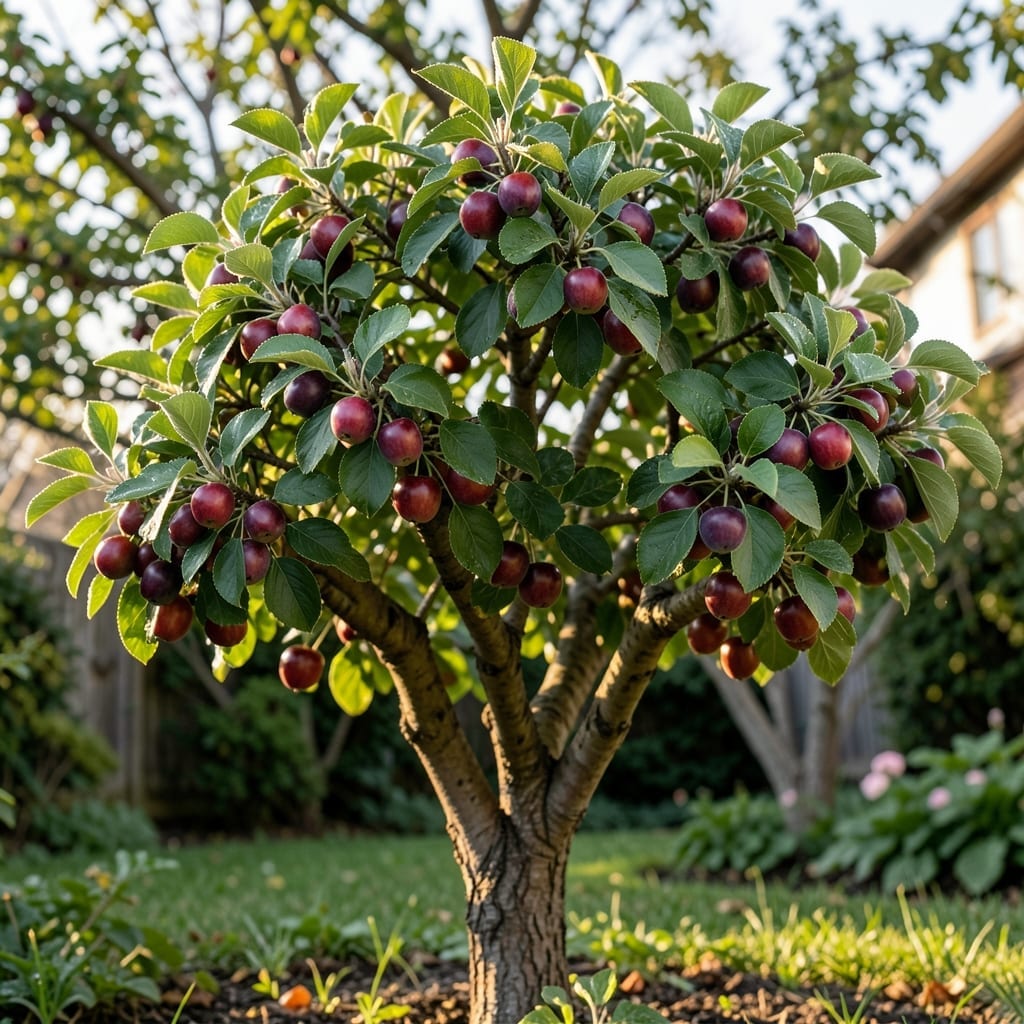
For gardeners who love surprises, the Pembina Plum-Cherry Hybrid offers the best of both worlds. This unique cross thrives in zone 3 climates, laughing off sub-zero temperatures that would challenge other fruit trees.
You’ll harvest small, sweet fruit with a hint of plum richness—perfect for fresh eating or transforming into jams. Its extreme cold-tolerance and adaptability to poor soils make it ideal for tough growing conditions where other varieties struggle.
Adventurous growers in harsh climates will appreciate its resilience and dual-personality fruit. 🌱