
Beautiful Plants For Your Interior
Beautiful Plants For Your Interior
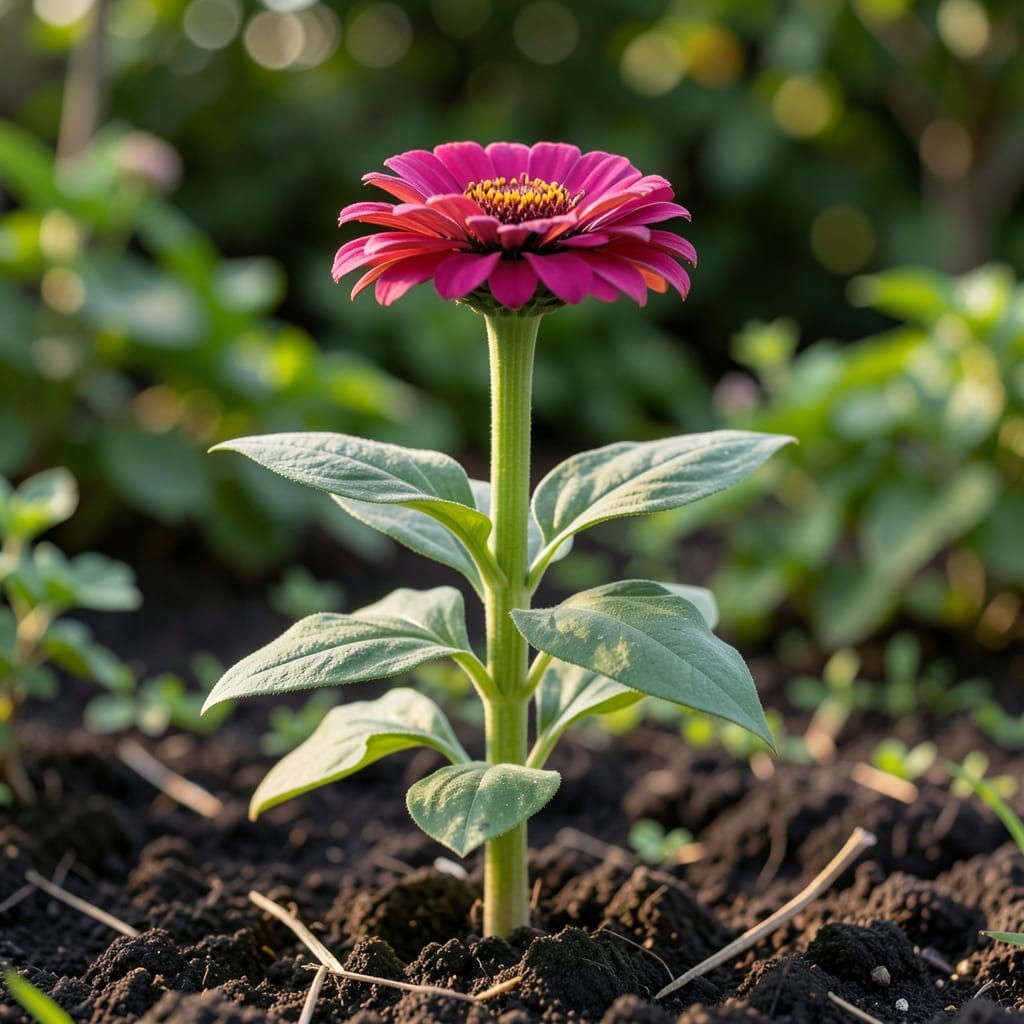
There’s something magical about watching 🌼 Zinnia blooms light up a garden with their vibrant colors. But here’s the thing – their beauty depends heavily on getting the light conditions just right.
I’ve seen many gardeners struggle when their zinnias don’t thrive as expected. Often, it comes down to misunderstanding their sunlight needs. The good news is that with the right approach, you can enjoy stunning zinnia displays all season long.
Whether you have a sunny backyard or a partially shaded space, there are ways to make zinnias work for you. The key lies in knowing exactly how much light they need and how to optimize their growing conditions.
Discover how to give your zinnias the perfect amount of light for those vibrant, long-lasting blooms you’ve been dreaming of.

If you’re wondering whether zinnias need full sun or can handle some shade, the answer is clear: these vibrant flowers thrive in full sun but can tolerate partial shade with some adjustments. I’ve found that 6+ hours of direct sunlight daily brings out their best blooms.
Zinnias grown in partial shade may produce fewer flowers, and the stems can become leggy as they stretch toward the light. For the most vibrant, long-lasting blooms, prioritize a sunny spot in your garden. ☀️
| Requirement | Specification |
|---|---|
| Ideal Light | Full sun (6+ hours daily) |
| Minimum Light | Partial shade (4-6 hours) |
| Shade Tolerance | Limited (may reduce blooms) |
| Best Window Direction | South-facing |
In my experience, zinnias planted in full sun develop stronger stems and more abundant flowers. The direct sunlight helps them produce the energy needed for their famous bright, long-lasting blooms. Without enough light, they can look sparse and weak.
That said, in hotter climates, a bit of afternoon shade can prevent heat stress and keep the flowers fresh longer. I’ve seen gardeners in USDA zones 9-10 successfully grow zinnias with dappled shade during the hottest part of the day.
If you’re stuck with a shadier garden, choose zinnia varieties known for better shade tolerance. Smaller types like ‘Thumbelina’ or ‘Crystal’ series often perform better in these conditions than taller varieties.
For optimal growth, ensure your zinnias get at least 6 hours of sun. If they’re in shade, thin the plants to improve air circulation and reduce the risk of fungal diseases, which thrive in damp, low-light conditions.
I always recommend testing your garden’s light before planting. Use a simple sunlight calculator or observe how the light moves across your space. Zinnias are forgiving, but they’ll reward you with bigger, brighter blooms in the right conditions.
Remember, even in partial shade, consistent watering is key. Zinnias in shadier spots may need less frequent watering, but the soil should never stay soggy. Well-draining soil is a must to prevent root rot.
Finally, don’t forget to deadhead spent blooms regularly. This encourages the plant to produce more flowers, whether it’s in full sun or partial shade. With the right care, zinnias will keep your garden colorful all season long. 🌼
Growing zinnias in full sun is ideal, but they can adapt to partial shade with some adjustments. I’ve found that 6+ hours of sunlight yields the most vibrant blooms. In shadier spots, focus on drought-tolerant varieties and proper care.
For full sun zinnias, ensure well-draining soil and consistent watering. In partial shade, morning sun is best, and mulching helps retain moisture. Adjust your approach based on light availability.
In my experience, full sun zinnias grow taller and bloom more abundant. Partial shade may reduce flower size but can extend bloom duration in hot climates. Monitor soil moisture closely in both settings.
For less-than-ideal light, select smaller zinnia varieties like ‘Thumbelina’ or ‘Profusion’. These handle 4-6 hours of sun better than larger types. Always space plants for airflow to prevent disease.
If your garden has dappled shade, zinnias can still thrive with proper spacing and thinning seedlings. I recommend testing a few plants first to gauge performance in your specific light conditions.
Remember, even shade-tolerant zinnias need some sun. If blooms are sparse, relocate plants to a sunnier spot. With the right care, you’ll enjoy colorful zinnias all season long. ☀️