
Beautiful Plants For Your Interior
Beautiful Plants For Your Interior
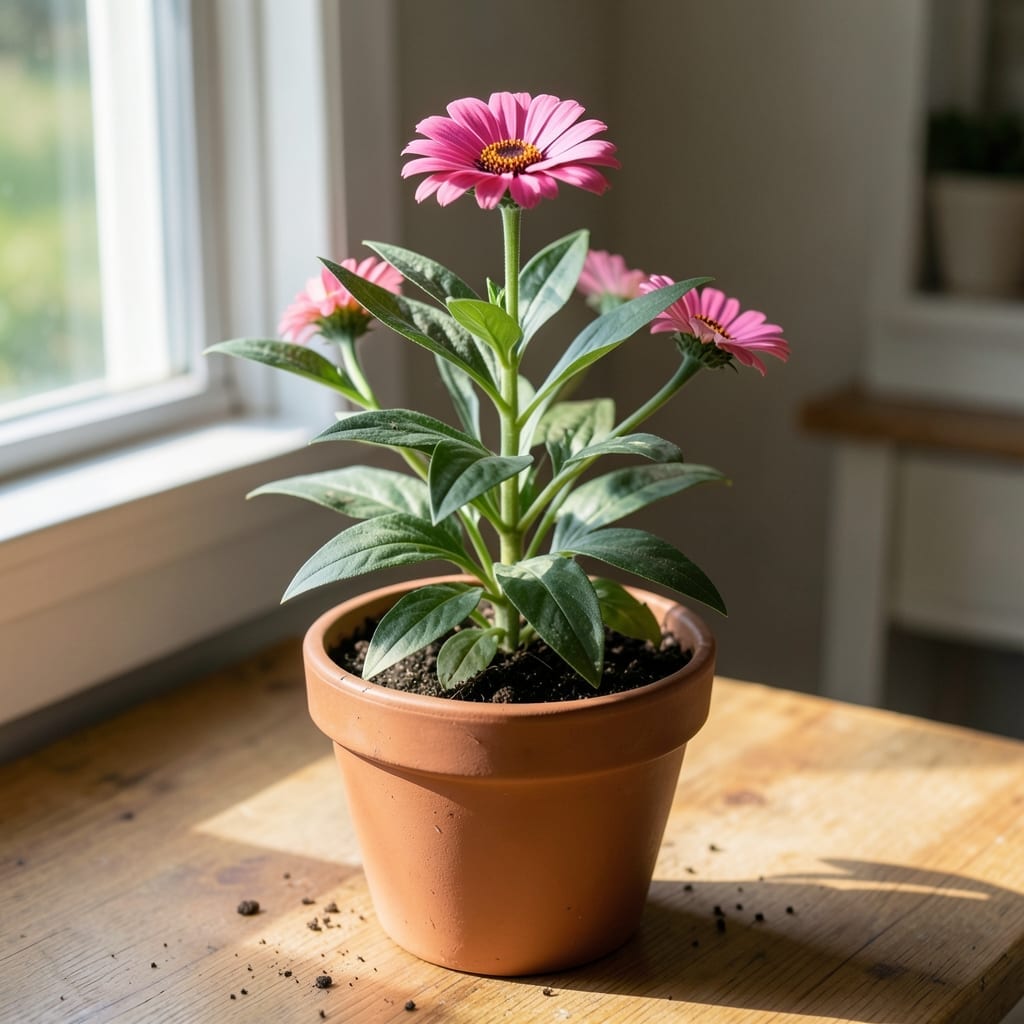
Getting fast zinnia sprouts isn’t just about good soil and water – it’s about hitting that sweet temperature spot. I learned this the hard way after several failed attempts with my 🌼 Zinnia seeds.
What many gardeners don’t realize is that soil warmth can make or break your germination success. It’s the invisible factor that often gets overlooked until it’s too late.
I’ll show you exactly how to nail the ideal conditions for your Zinnia seeds. Whether you’re starting indoors or direct-sowing, temperature control is the key to success.
Discover the simple tricks to maintain perfect warmth and watch your Zinnia garden thrive like never before. Let’s get those seeds sprouting!
For zinnia seeds to sprout quickly, the soil temperature must be just right. I’ve found that the ideal range is between 70–85°F, which ensures fast and uniform germination. Below this, seeds may take longer or fail to sprout at all.
At 70°F, zinnias typically germinate in 5–7 days, while at the upper end of 85°F, they can sprout in as little as 3–4 days. This temperature sensitivity is due to the enzymatic activity in the seeds, which speeds up in warmer conditions.
| Requirement | Specification |
| Ideal Soil Temp | 70–85°F |
| Minimum Temp | 60°F |
| Germination Time | 3–7 days |
| Indoor Start | Use heat mats |
| Outdoor Planting | After last frost |
When starting zinnias indoors, I recommend using a heat mat to maintain consistent warmth. This is especially helpful in early spring when indoor temps can fluctuate. A soil thermometer is invaluable for checking conditions before planting.
For outdoor sowing, wait until the soil has warmed to at least 60°F. In cooler climates, this might mean delaying planting until late spring. Direct-sown seeds in cold soil often rot or germinate unevenly.
The scientific reason behind this temperature sensitivity lies in the seed’s metabolic processes. Warmth activates enzymes that break down stored nutrients, fueling growth. Without it, seeds remain dormant or struggle to emerge.
I’ve noticed that zinnias sown in cool soil below 60°F often take 2–3 weeks to germinate—or fail entirely. This is why I always check the forecast and use a soil thermometer before planting.
If you’re eager to get a head start, indoor seed starting is your best bet. Use a seedling heat mat set to 75°F for optimal results. This mimics the warm conditions zinnias love and ensures strong, healthy sprouts.
For those in warmer climates, direct sowing is often successful as early as late winter. However, in cooler regions, it’s worth waiting until mid-spring when the soil is reliably warm. Patience here pays off with better germination rates.
Remember, consistency is key. Fluctuating temperatures can stress seeds, leading to weaker plants. Whether indoors or out, aim to keep the soil temperature stable within the 70–85°F range for the best results.
🌼Achieving the perfect zinnia germination temperature starts with understanding your environment. I always recommend using a soil thermometer to check conditions before planting. For indoor starts, a heat mat can maintain consistent warmth.
Outdoors, wait until soil reaches at least 70°F for direct sowing. In cooler climates, I use black plastic mulch to warm the soil faster. This simple trick can shave days off your germination time.
For indoor starts, I place my trays on top of the refrigerator where it’s naturally warmer. This often provides the consistent warmth zinnias need without extra equipment. Just
If you’re struggling with cool spring temperatures, consider starting seeds in peat pots indoors. You can then transplant the entire pot when conditions improve, minimizing root disturbance.
Another trick I swear by is pre-warming the soil with hot water before planting. Just pour boiling water over the area, let it cool to 70-85°F, then sow your seeds. This gives them an immediate warm environment.
Remember that temperature fluctuations can hinder germination. Try to maintain as stable conditions as possible, especially during the first critical week after planting. ☀️